Opel Commodore classic cars for sale
The Opel Commodore introduces premium six-cylinder engineering to the mid- and upper-class segment of German cars, standing out with solid performance, generous comfort features, and distinctive design elements reminiscent of late sixties and seventies styling. Enthusiasts seeking originality and German automotive heritage will find an intriguing mix of elegant saloons, striking coupés and rare station wagons in this model series. Discover more about the roots and variations of the Commodore below.
Search results
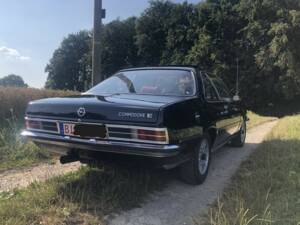
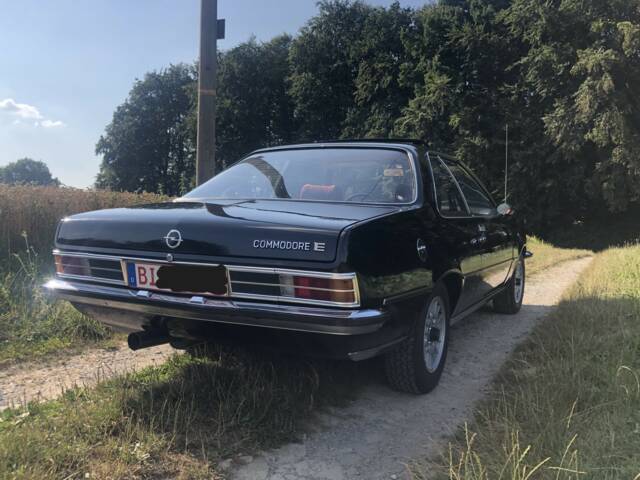
1974 | Opel Commodore 2,8 GS/E
Unikat mit Historie: Opel Commodore B Coupé – Sondermodell „E“ (Das Werbefahrzeug!)

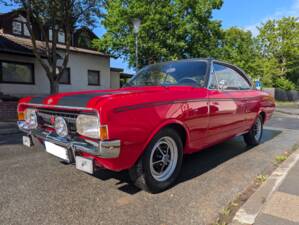
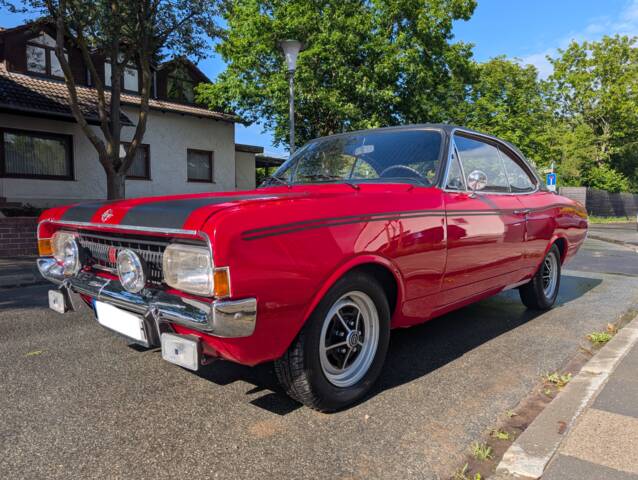
1968 | Opel Commodore 2,5 GS
Coupé 12/1968 - TÜV 11/2026
Auctions ending soon

Loading…
Loading…
Loading…
Loading…
Opel Commodore listing references from Classic Trader
Below you will find listings related to your search that are no longer available on Classic Trader. Use this information to gain insight into availability, value trends, and current pricing for a "Opel Commodore" to make a more informed purchasing decision.
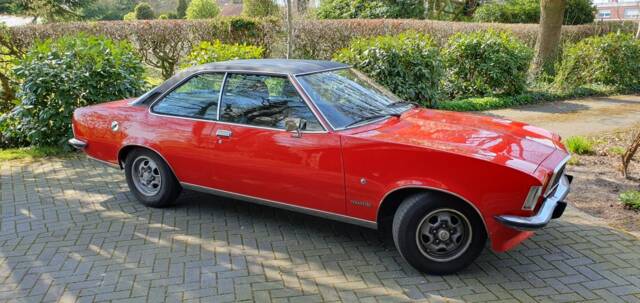
1974 | Opel Commodore 2,8 GS/E
Verkauf eines Opel Commodore B/GSE Coupe 28EC
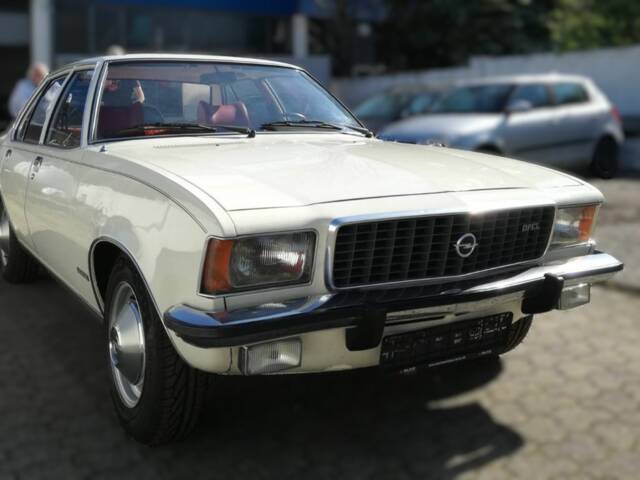
1973 | Opel Commodore 2,5 S
Opel Commodore 2.5S | 1973 | Route 66 Auctions - For sale by auction. Estimate 5500 EUR

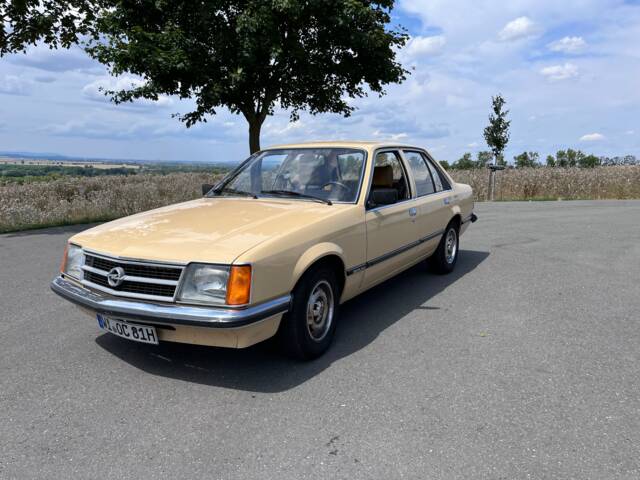
1981 | Opel Commodore 2,5 S
Super-Zustand, TÜV und AU neu (bis 03/2028)
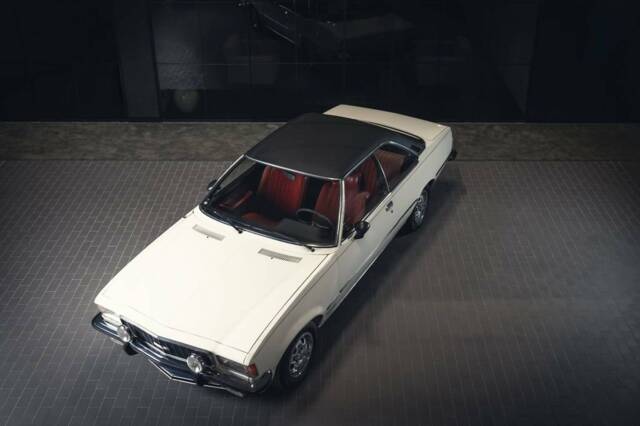
1973 | Opel Commodore 2,8 GS/E
Commodore GS/E Coupé
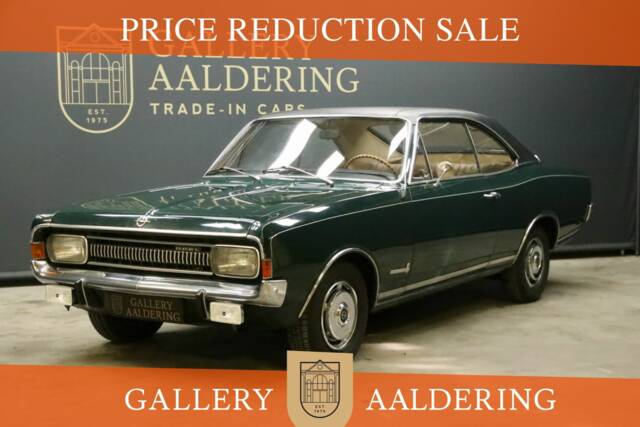
1969 | Opel Commodore 2,5 GS
Opel Commodore Coupe Six "71.000 kms" Trade-in car PRICE REDUCTION! From third Dutch owner - last 2 decades single ownership, 71.000 registered kilometers with documents, Exceptionally solid bodywork with minimal work required - Largely original paintwork, Accompanied by the first Dutch registration letter - inspection reports and invoices, Configured by first owner in Cedar Green over Mistral Beige,
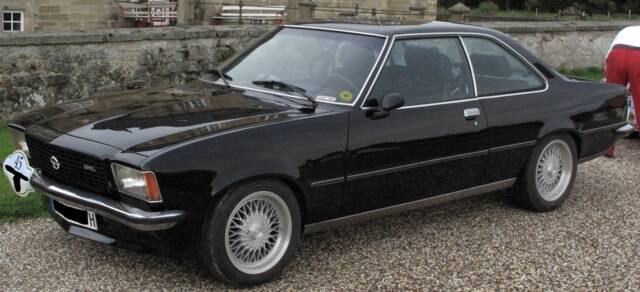
1975 | Opel Commodore 2,8 GS
OPEL Commodore B Coupé
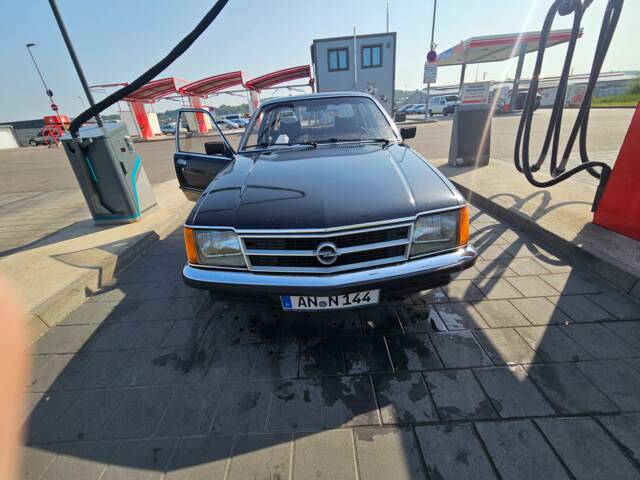
1981 | Opel Commodore 2,5 E
Tüv Neu
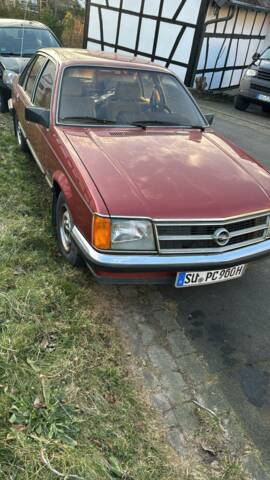
1982 | Opel Commodore 2,5 E
Erstzulassung 1982
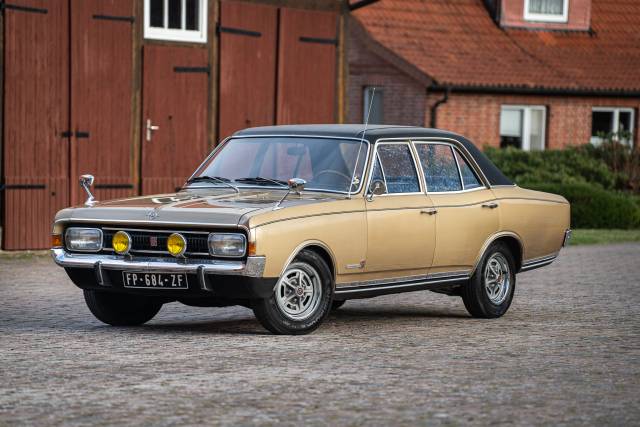
1969 | Opel Commodore 2,5 GS
Südfrankreich Import aus Familienbesitz mit wenig KM
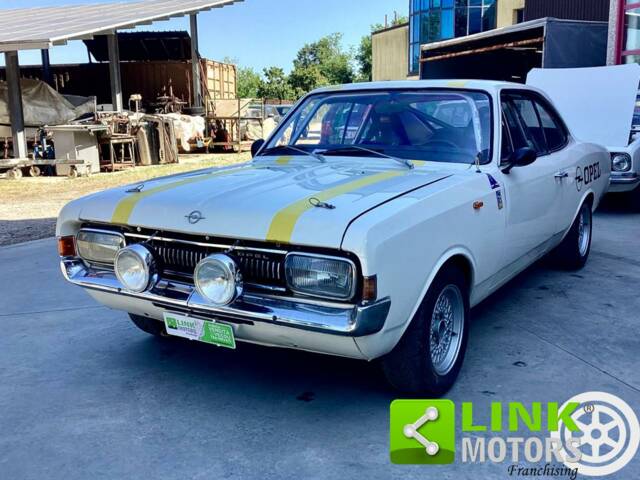
1969 | Opel Commodore 2,5 H
OPEL Commodore 2500 Competizione con HTP

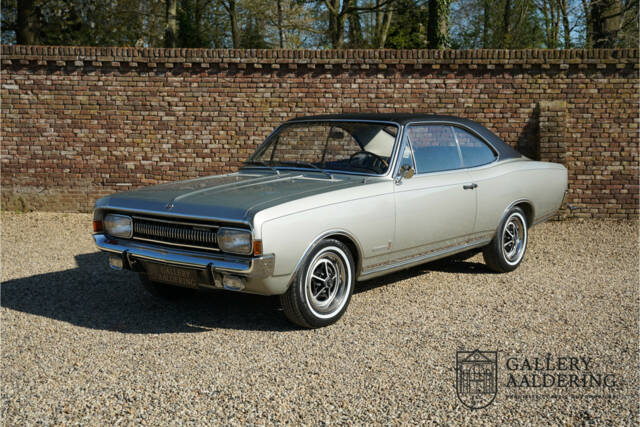
1967 | Opel Commodore 2,5 S
Opel Commodore 2500 GS A-Coupé Fully restored condition, French (Normandy/Rouen) delivered car, Early series Commodore, Offered with the original service booklet, Very rare hardtop fastback version, "Rassiges Coupé im Fastback-Stil"
Opel Commodore Classic Cars: Prices & Market Values
History of the Opel Commodore
The Opel Commodore entered the market in 1967 as Opel’s offering for drivers seeking more power and luxury than the well-established Rekord. Exclusively equipped with six-cylinder inline engines, it filled the executive segment and was available as a saloon and coupé, later also as a station wagon. The different generations – Commodore A (1967–71), Commodore B (1972–77), and Commodore C (1978–82) – encapsulate consistently updated styling, engineering, and comfort, with each series reflecting the design and technology trends of its time. The Commodore’s lineage continued outside Europe – most notably as the Holden Commodore in Australia, and as the Vauxhall Viceroy in the UK.
Model Series History
The Commodore A built its reputation as a more upscale version of the Rekord C, boasting five engine variants ranging from a 2.2-litre with 95 hp up to a 2.8-litre with 145 hp. The GS/E featured pioneering Bosch D-Jetronic electronic fuel injection. With the Commodore B, Opel focused on a more dynamic body style, a modernised safety cell, and five engine choices, now including a 2.8-litre up to 160 hp. Emissions regulations in 1974 led to further engine modifications. The final Commodore C generation brought updated angular styling, shared much of its bodywork with the Senator, and debuted in sedan and, for the first time, estate (Voyage) form. Production ended in 1982, with only the rare Commodore Voyage estate continuing briefly.
Highlights and Special Features
A defining feature of the Commodore series is its consistent use of six-cylinder inline engines, providing both smoothness and authority. Signature styling cues include copious chrome trim, broad panoramic windows, wood-grain dashboard accents, and velour or leatherette upholstery. Coupés, especially the GS/E, boasted 150 hp, twin tailpipes, Bilstein shocks, and Michelin XAS tyres. An abundance of optional extras – such as power steering, electric windows, sunroofs, and cruise control – set Commodores apart from lesser Opel models.
Technical Data
Special Editions and Collectible Models
Amongst Commodores, the GS/E versions, particularly of the A and B series, stand out for their advanced fuel injection, increased output and exclusive appointments like Bilstein suspension and chromed trim. The Commodore Voyage C is noteworthy – a luxury estate built for just 16 months, with only 3,440 produced, making it one of the rarest large Opels of the era. Unique export models exist, such as the South African Chevrolet Commodore and the singular 1981 Vauxhall Viceroy estate built for Queen Elizabeth.
Weak Spots and Common Issues
These vehicles are susceptible to rust, especially in sills, wheel arches, door edges, strut towers, and window frames. While many had factory-applied cavity sealing, restoration often involves renewing chrome components and rubber seals, re-covering interiors, and dealing with underbody protection. Spare parts for mechanicals remain available, but certain body and chrome trim can be difficult to source. As with all period cars, safety equipment such as ABS and airbags are absent. Thorough inspection for corrosion and originality is critical when assessing a Commodore.
Engine, Performance, Transmission, and Handling
The Commodore’s hallmark is its smooth and responsive inline-six engines, delivering quiet and confident power delivery. Early GS/E models with electronic injection set benchmarks for both performance and refinement, while most versions offered a balanced mix of comfort and agility thanks to independent front suspension and well-tuned chassis. Standard power outputs range from 115 PS to 160 PS, with top speeds up to 180 km/h and peak models nearing the 200 km/h mark. Both manual and automatic gearboxes (later including a five-speed overdrive) match the engines’ strengths and allow for relaxed or brisk driving styles. - Commodore A GS/E: 2.5L with up to 150 PS, Bosch D-Jetronic, twin exhausts.
- Commodore B GS/E: 2.8L with fuel injection, advanced safety cell, coupe and saloon formats.
- Commodore C Berlina/GS: 2.5S, overdrive gearbox, high comfort, and distinctive angular lines.
Interior, Comfort, Exterior and Design
Commodore interiors often feature broad, comfortable seats, panoramic windows, clear instruments set in woodgrain or chrome-trimmed dashboards, and a premium atmosphere that hints at American GM influence. Many models were ordered with special accessories such as sunroofs, radios, velour, or faux-leather upholstery; rarities include original vinyl roofs, sports steering wheels, and factory alloy wheels. Externally, a rich application of chrome, distinctively shaped front and rear ends, and the long, sweeping coupé rooflines make Commodores unmistakable. Commodore C adopted a more angular, modern look with Senator-inspired front end and boxier proportions. Many survive today with original or restored period accessories, such as fog lamps, tow bars, and optional central locking.
Other Features
Features such as central locking, electrically adjustable exterior mirrors, and cruise control appeared in later models, distinguishing the Commodore from less equipped cars of its era. The large boot with rear-mounted fuel tank, factory cigarette lighters, and rare right-hand drive export versions add further interest for collectors. Most cars are now eligible for historic 'H' registration and classic insurance in many European markets.
Summary
Opel Commodore models offer classic German engineering in a segment marked by comfort and understated performance. Their blend of smooth six-cylinder power, generous interiors, rich chrome detailing, and well-documented market history ensures that the Commodore occupies a distinct place among classic cars – especially for those drawn to the blend of practicality and luxury typical of seventies and eighties executive vehicles.