Daimler Double Six classic cars for sale
The Daimler Double Six, Daimler’s flagship luxury saloon, stands out for its 12-cylinder power and first-class British craftsmanship. Based on the Jaguar XJ, each version blends exclusive finishes with powerful V12 performance and an exceptionally smooth ride.
Search results
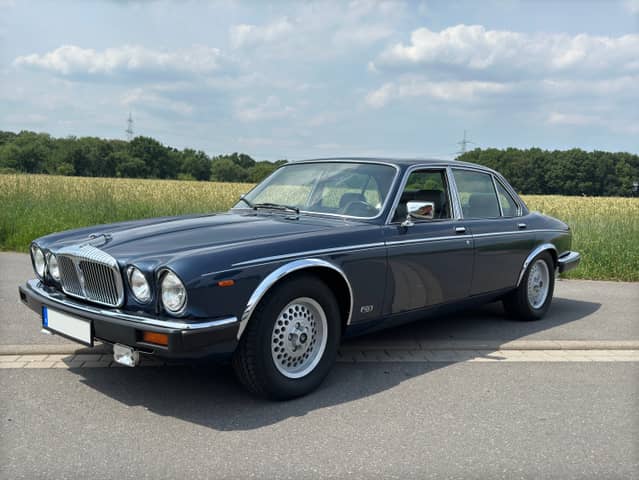
1992 | Daimler Double Six
Die Krönung der XJ-Baureihe – mit dem unvergleichlichen V12.

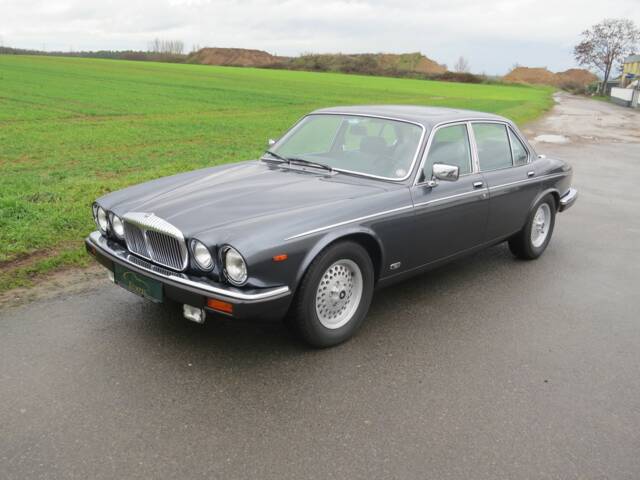
1992 | Daimler Double Six
German vehicle - 3rd owner
Auctions ending soon

Loading…
Loading…
Loading…
Loading…
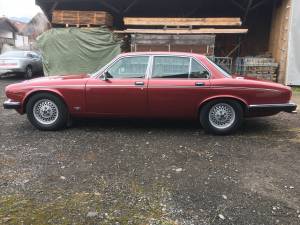
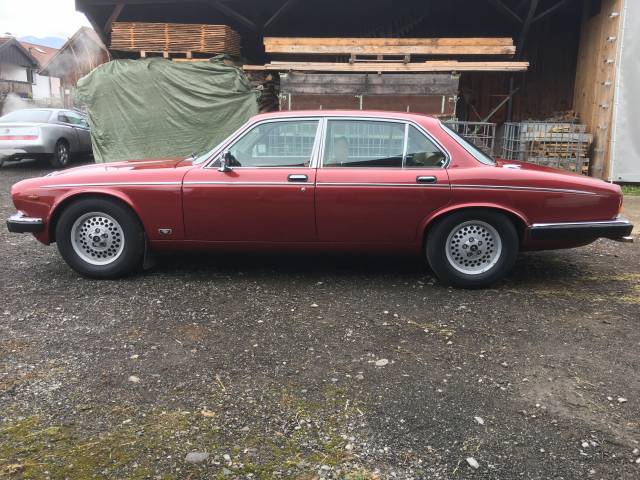
1989 | Daimler Double Six
Ver neat 12 cylinder out of long term family ownership

Daimler Double Six listing references from Classic Trader
Below you will find listings related to your search that are no longer available on Classic Trader. Use this information to gain insight into availability, value trends, and current pricing for a "Daimler Double Six" to make a more informed purchasing decision.
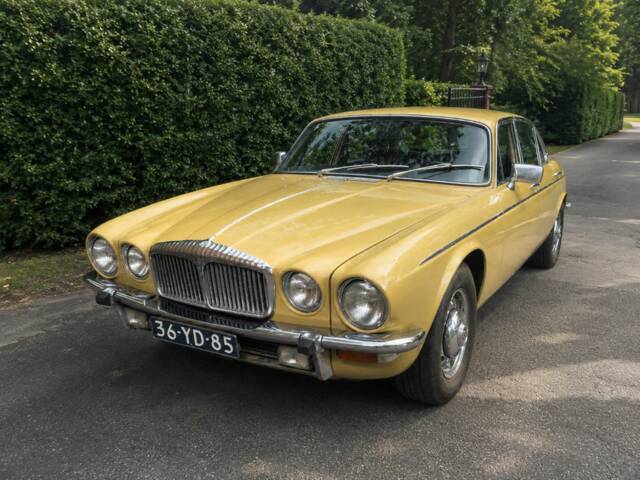
1975 | Daimler Double Six
Daimler Double Six | 1975 | Route 66 Auctions - For sale by auction. Estimate 7500 EUR

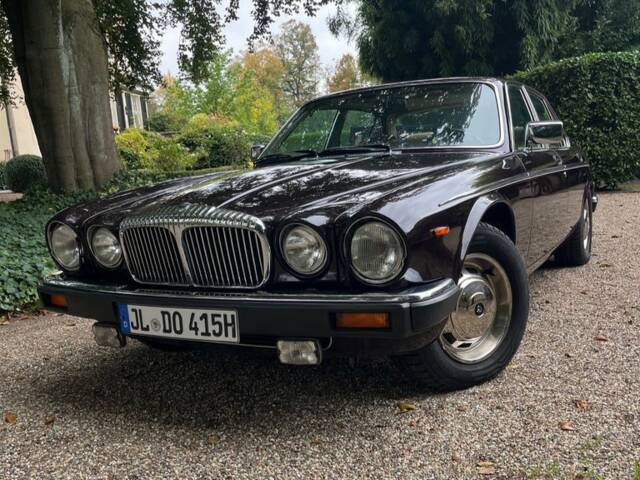
1992 | Daimler Double Six
Daimler Double Six | 1992 | Route 66 Auctions - For sale by auction. Estimate 4500 EUR
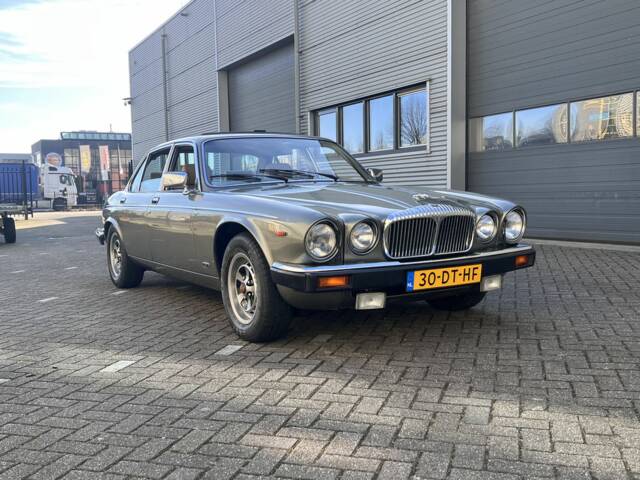
1988 | Daimler Double Six
Daimler Double Six Series III | 1988 | Route 66 Auctions - For sale by auction. Estimate 5500 EUR
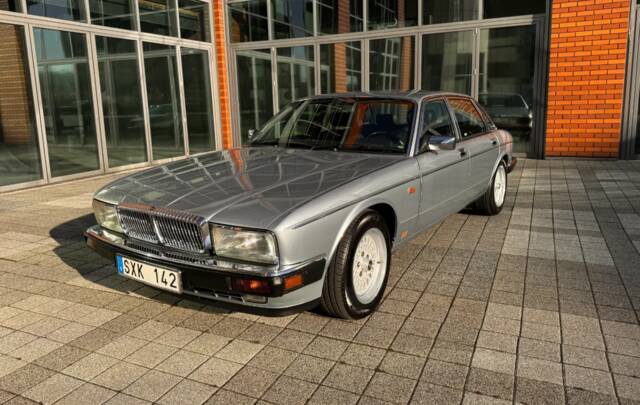
1993 | Daimler Double Six
Jaguar Daimler Double Six XJ81 | 6.0 V12 | 1993 | A True Classic | Exceptional Opportunity

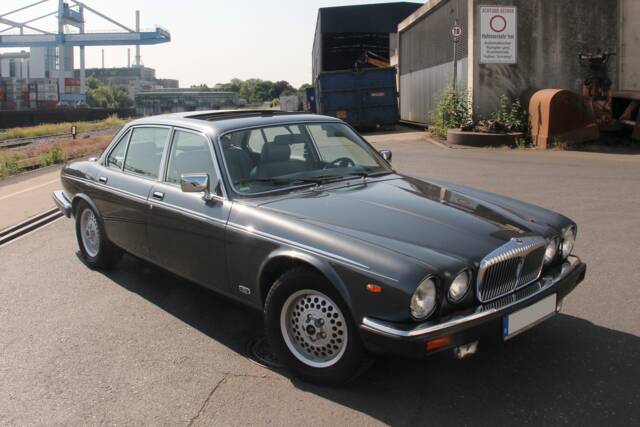
1992 | Daimler Double Six
Serie III - Letzter klassicher Jaguar - sehr gepflegt
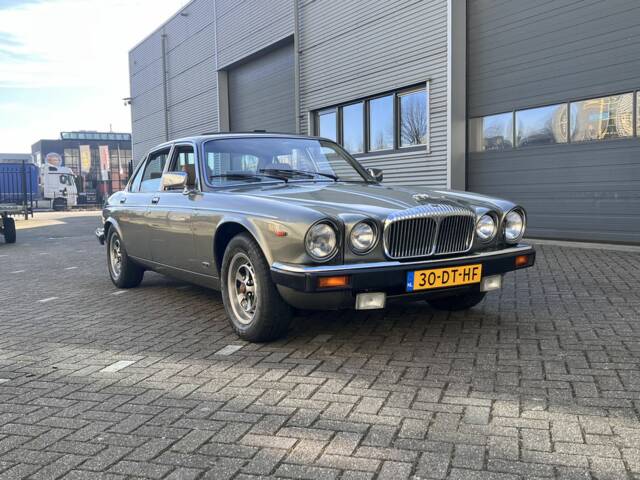
1988 | Daimler Double Six
Daimler Double Six Series III | 1988 | Route 66 Auctions - For sale by auction. Estimate 7500 EUR
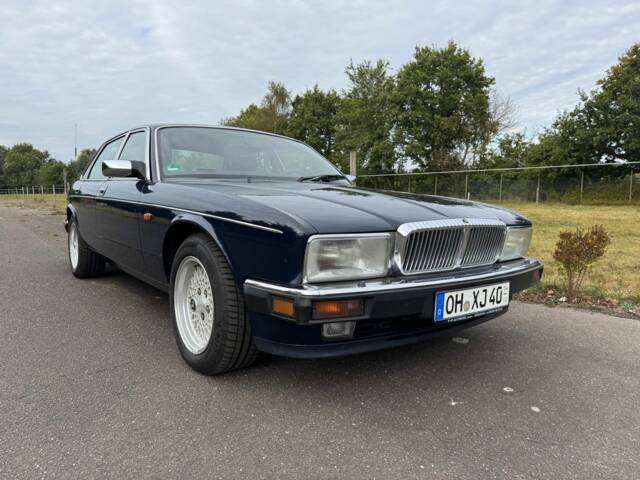
1993 | Daimler Double Six
Daimler Double Six | 1993 | Route 66 Auctions - For sale by auction. Estimate 5500 EUR
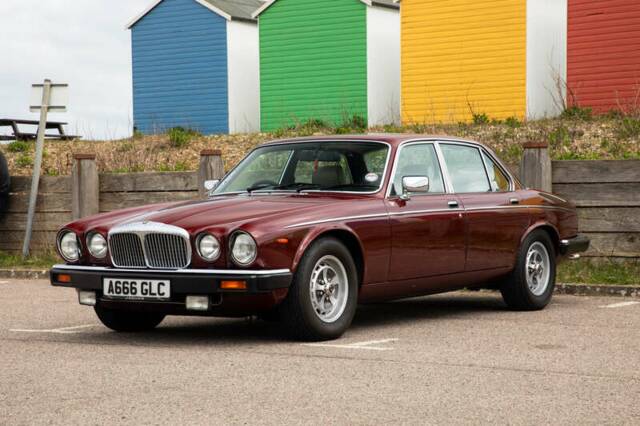
1983 | Daimler Double Six
1983 Daimler Double-Six Vanden Plas HE

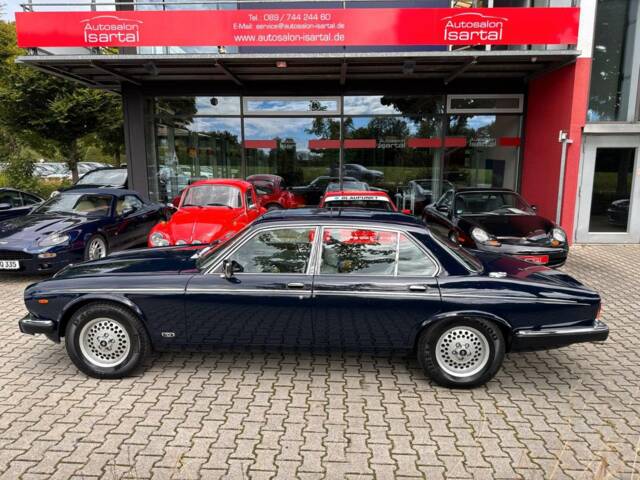
1993 | Daimler Double Six
Jaguar XJ12 Jaguar XJ12 S III - dt. Auto - H.Kz. Double Six
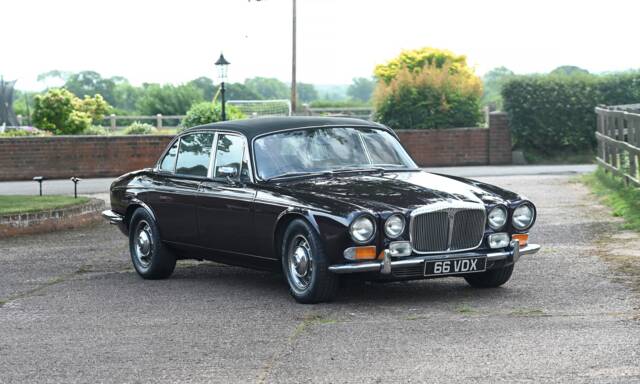
1973 | Daimler Double Six Vanden Plas
1973 Daimler Double Six by Vanden Plas Series I
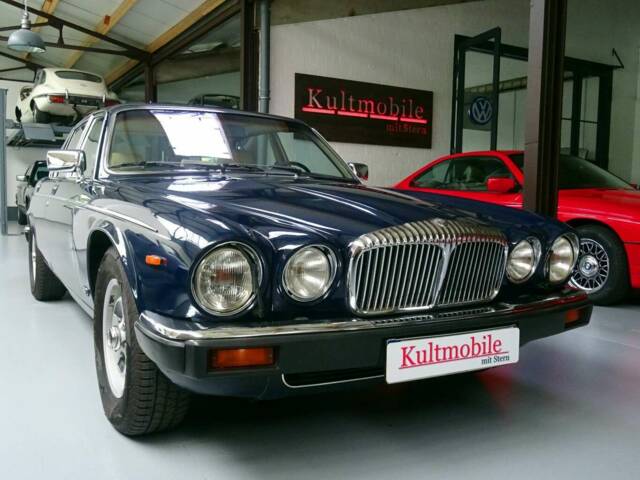
1988 | Daimler Double Six
Jaguar Daimler Double Six -erst 39.000km-
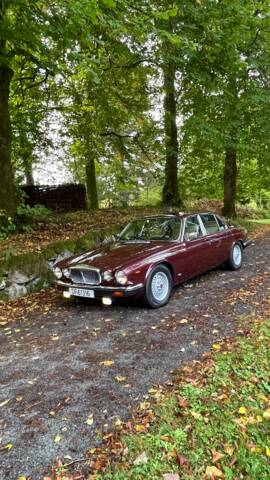
1989 | Daimler Double Six
Stunning Daimler Double Six
Daimler Double Six Classic Cars: Prices & Market Values
The market value of Daimler Double Six classic cars is primarily determined by the specific manufacturer code and variant, as well as technical condition, originality and mileage. Additional factors include rarity, history and documentation. A well-maintained, largely original vehicle with low, verifiable mileage and complete history including appraisals and documentation typically achieves significantly higher prices than a comparable vehicle with deferred maintenance, many modifications or unclear provenance.
Daimler Double Six: Market Prices & Value Trends
Based on Classic Trader marketplace sales data from February 2021 to December 2025, the Daimler Double Six market in Europe looks broadly stable, with a consistent “core” of cars changing hands in the mid-teens to mid-twenties. Most examples in the dataset cluster around roughly €12,000–€30,000, covering popular late-1980s to mid-1990s cars (for example 1988–1994 Double Six models with around 264–318 hp). German and Dutch entries frequently sit in this band, while UK-priced cars show a wide spread in pounds, reflecting condition and presentation differences rather than a clear regional premium. A handful of higher asking prices around €45,000–€60,000 appear (notably some 1992–1993 cars), but these look like outliers compared with the wider market and should not be treated as the norm. For today’s buyers, this suggests good availability and relatively predictable pricing: well-kept, correctly maintained V12 saloons can command steady money, supported by growing appreciation for 1990s luxury classics and the model’s rarity without pushing values sharply upward.
History of the Daimler Double Six
The designation 'Double Six' traces back to Daimler’s pioneering V12 engine from 1926, masterminded by Lawrence Pomeroy—an innovation that set new standards for luxury cars of its time. The early Double Six models were crafted as direct competitors to Rolls-Royce, with limited production and royal endorsement, cementing Daimler’s reputation for premium motoring.
After Jaguar’s acquisition of Daimler in 1960, the Double Six name returned in 1972. The modern Daimler Double Six became synonymous with understated British luxury, reintroducing a V12 after decades. Until the end of the series in 1997, the Double Six remained at the top of Daimler’s offering, marked by their unique grille, chrome details, and always reserved for those seeking refined travel in a four-door grand tourer.
Model history
The Double Six story began with V12 models in the late 1920s. After a long hiatus, the badge graced Daimler’s opulent version of the Jaguar XJ from 1972.
Series II (1972–1979) set the tone with a 5.3-litre V12 and luxury appointments. Series III (1979–1992), designed in part by Pininfarina, continued with enhanced features and comfort, accounting for the majority of Double Six production. The XJ81 (1993–1997) capped the line, introducing a 6.0-litre engine and integrating technological advances. Notably, the Double Six Vanden Plas offered an even higher equipment grade, though its name was replaced by Jaguar Sovereign from 1984 onwards.
Highlights of the Daimler Double Six
The Double Six distinguishes itself with remarkable smoothness and power from its V12 motor, extensive sound insulation, and a ride quality focused on maximum comfort. Notable features include Connolly leather, burl walnut trim, dual fuel tanks, and luxury touches such as electric seats, cruise control, and optional picnic tables for rear passengers. Later versions introduced ABS, four-speed automatic gearboxes, and distinctive design cues like the ribbed grille and additional chrome details, marking them apart from their Jaguar siblings.
Technical data
Special Editions and Collectible Models
The Daimler Double Six Vanden Plas, introduced alongside the main range, offered an even more luxurious interior, extended wheelbase, and bespoke trim options (including unique woods and fabrics). A rare Insignia package allowed for individualised finishes and custom colours. After 1984, the Vanden Plas name gave way to 'Sovereign'. Later Double Six Majestic editions continued this tradition of bespoke luxury, becoming sought-after for their exclusivity and high level of specification.
Engine and Performance, Transmission and Handling
The V12 engine, available in both 5.3-litre and 6.0-litre displacements, is renowned for its extraordinary calmness and effortless torque delivery. The combination of multi-point fuel injection and, in later cars, four-speed automatic transmissions, provides smooth acceleration. Independent rear suspension and finely tuned dampers result in a supple yet stable ride. Later iterations added ABS and refined electronics, increasing safety and ease of use without compromising the classic driving experience. - Series III (1979–1992): Most common, especially as a long-wheelbase saloon with up to 295 PS (HE engine).
- XJ81 (1993–1997): Features the most powerful 6.0-litre engine (313 PS, 500 Nm), four-speed auto, and updated technology for modern classic usability.
- Series II (1972–1979): Early V12 saloon (260 PS, 5.3-litre), noted for its purity and collectible appeal.
Interior, Comfort, Exeterior and Design
The Double Six exemplifies British luxury design. Interiors are clad in the finest Connolly leather and genuine burr walnut. Attention to detail is evident in the use of thick Wilton or lambswool carpets, hand-finished woodwork, and amenities like rear picnic tables, reading lights, and optional seat heating or memory functions. Externally, Pininfarina’s influence is seen in the Series III’s flowing lines and proportions. Specific Daimler details—such as the ribbed aluminium grille, chromed boot handle, and full-length chrome strips—distinguish the Double Six from its Jaguar siblings. Paint options were extensive, especially with the Insignia programme, and factory accessories included alloy wheels, sunroofs, and tinted glass.
Other relevant features
Double Sixes were available in left- and right-hand drive configurations, making them popular in a number of markets. The model’s reputation for luxury made it the transport choice of dignitaries, royalty, and government officials, particularly in long-wheelbase form. Used values and tax classifications as classics or 'youngtimers' can benefit owners in various countries, and well-maintained examples have shown sustained interest among collectors.
Summary
The Daimler Double Six unites exclusive British luxury, a V12 engine without peer in regular production saloons of its era, and model-specific refinements. Series III is the most frequently listed and viewed, with late-model XJ81 versions offering maximum performance and comfort. Individual options, a smooth powertrain, and enduring value among enthusiasts make the Double Six a standout for collectors and anyone seeking a unique driving experience.