- Car
- SEAT (16 offers)
Buy SEAT classic cars
SEAT classics tell Spain’s post-war motoring story in one badge, from the tiny 600 to the twin-cam 124 Sport Coupé, the sharp-edged Bocanegra and the first Ibiza System Porsche. For UK buyers they still offer rarity, low weight and real character, usually at friendlier entry prices than equivalent Italian or German classics.
Search results
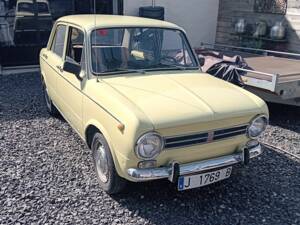
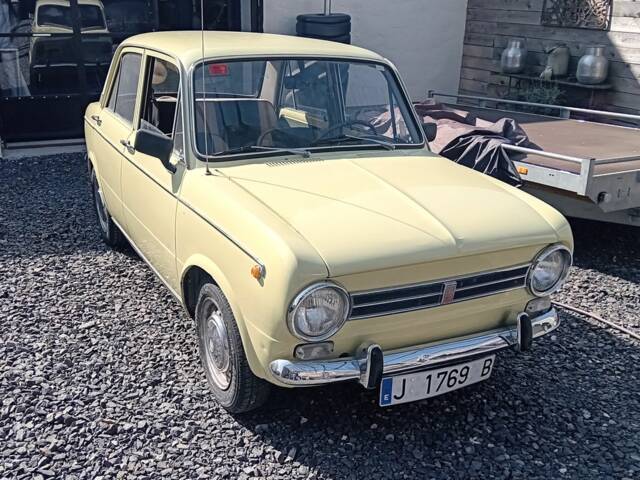
1974 | SEAT 850 Speciale
Seat 850 Especial | 1974 | Route 66 Auctions - For sale by auction. Estimate 3000 EUR

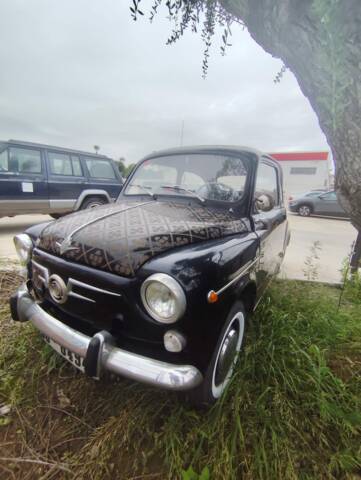
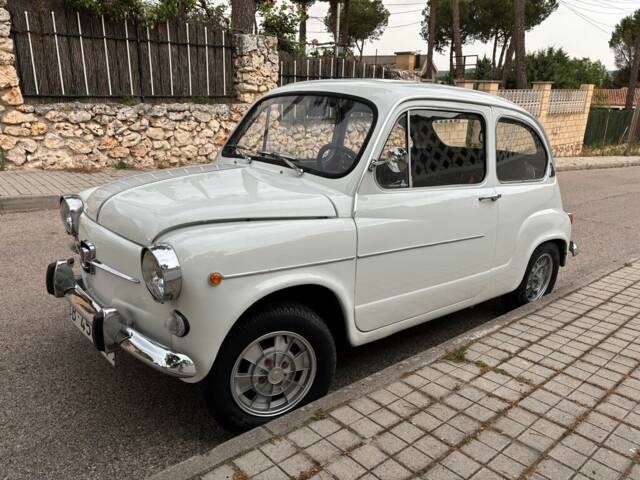
1965 | SEAT 600 D
En perfecto estado
VAT is reclaimable

1973 | SEAT 600 L
Seat 600L | 1973 | Route 66 Auctions - For sale by auction. Estimate 3600 EUR
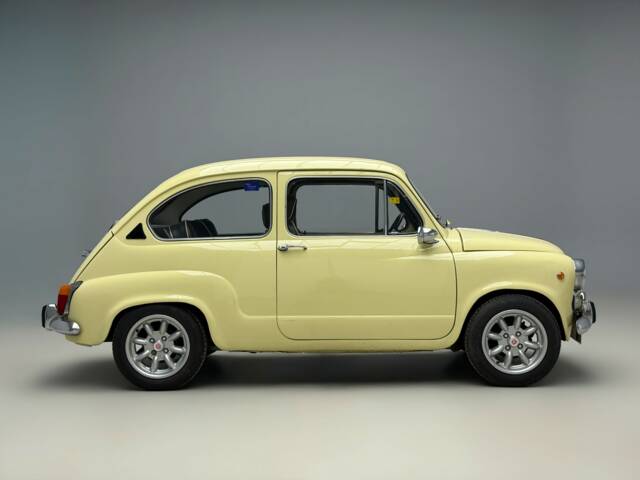
1973 | SEAT 600 E
SEAT 600 L
Newsletter
The best SEAT listings, straight to your inbox
Get hand-picked SEAT listings, plus the best of cars, motorbikes, and auctions on Classic Trader — all in one place.
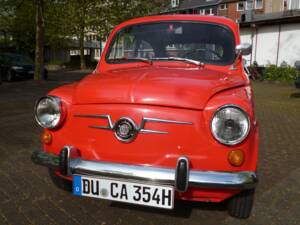
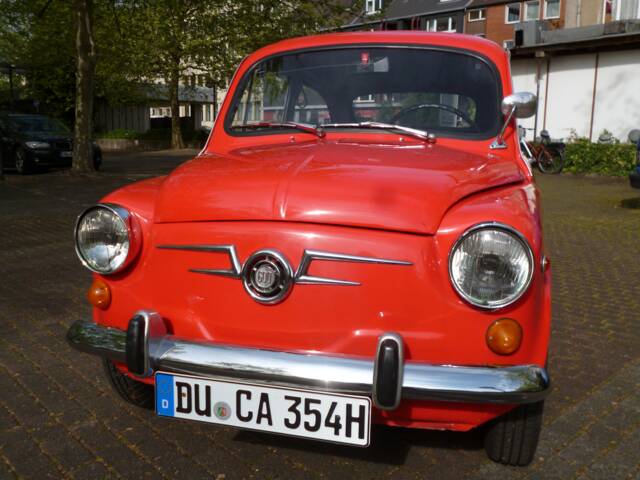
1972 | SEAT 600 D
I am for sale to enthusiasts

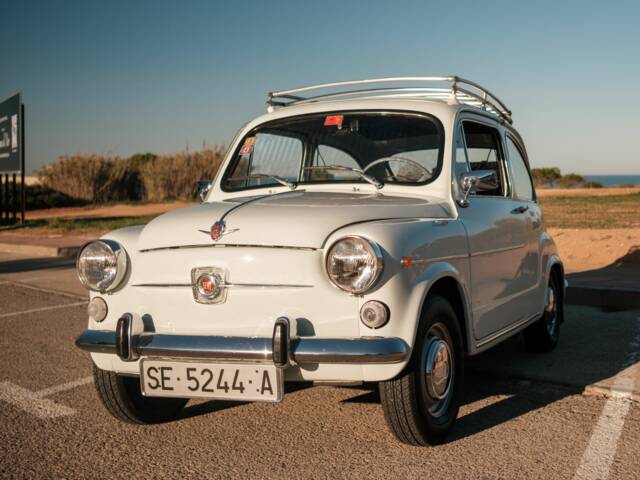
1972 | SEAT 600 E
SEAT 600 E | 1972 | Route 66 Auctions - For sale by auction. Estimate 4800 EUR
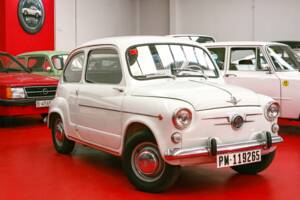
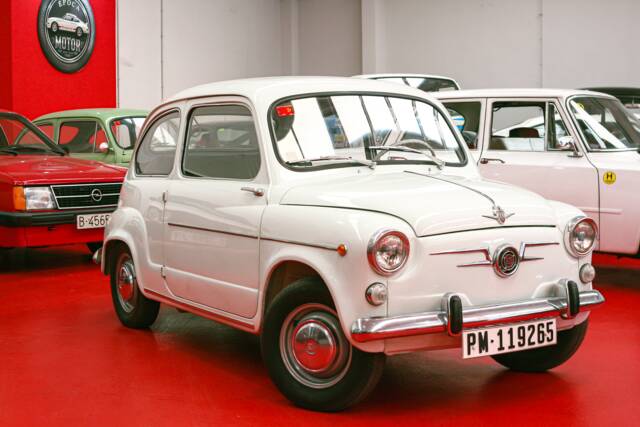
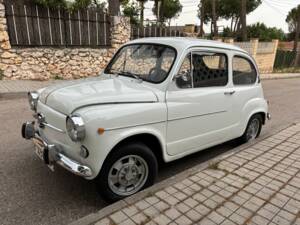
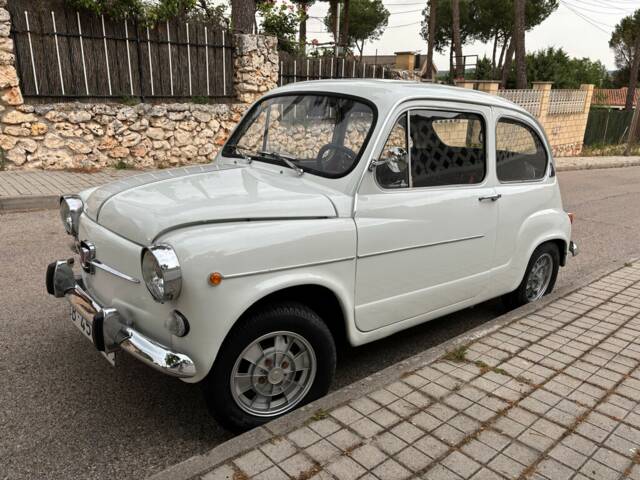
1973 | SEAT 600 L
Seat 600L | 1973 | Route 66 Auctions - For sale by auction. Estimate 3600 EUR
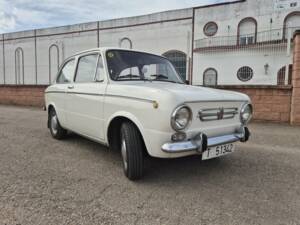
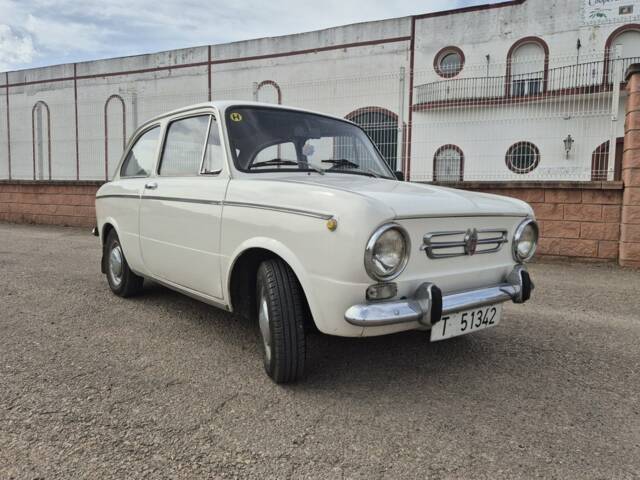
1966 | SEAT 850
Seat 850 | 1966 | Route 66 Auctions - For sale by auction. Estimate 3600 EUR
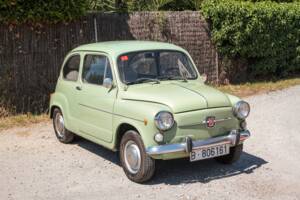
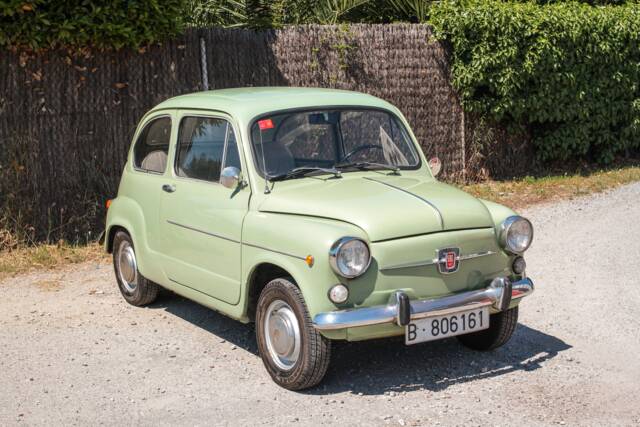
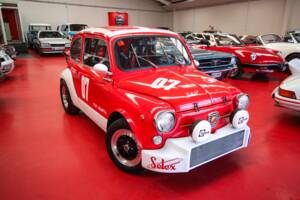
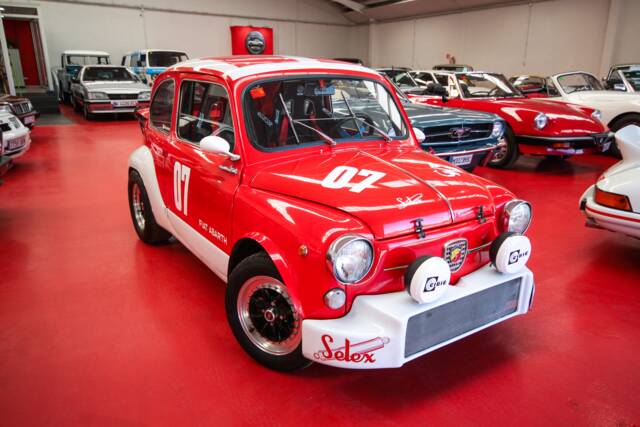
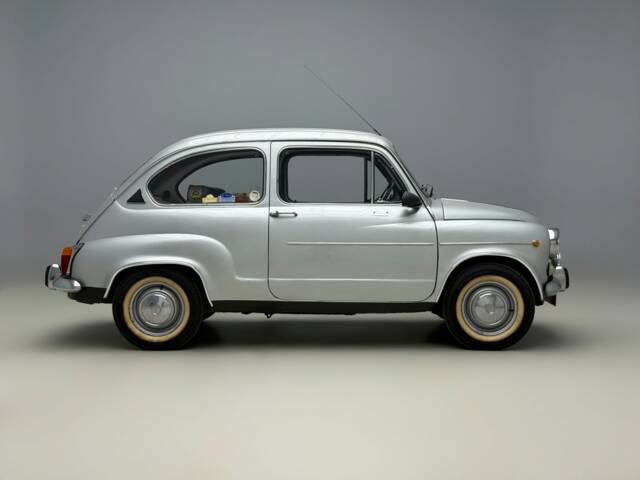
1968 | SEAT 600 D
SEAT 600 ABARTH

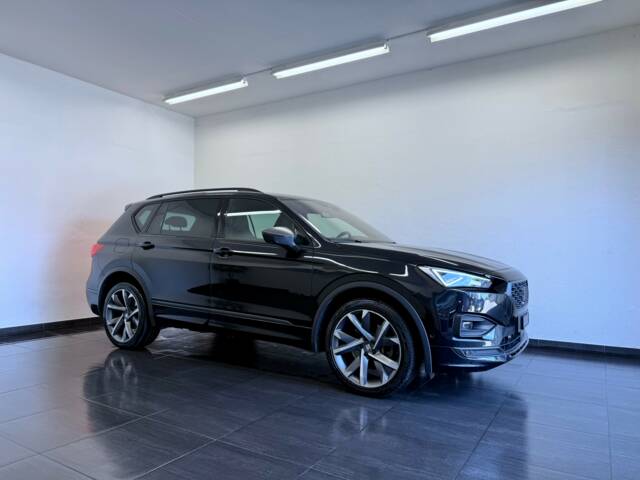
2020 | SEAT Tarraco 2.0 TSI 4Drive
SEAT Tarraco 2.0TSI 4Drive DSG FR

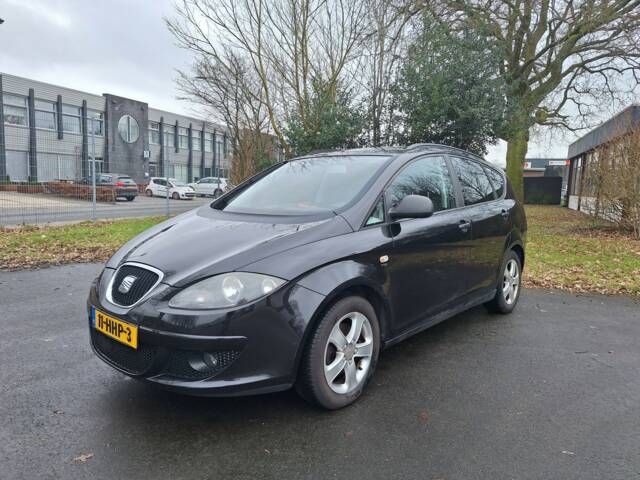
2008 | SEAT Altea XL 1.4 TSI
SEAT Altea XL 1.4 TSI Active Style
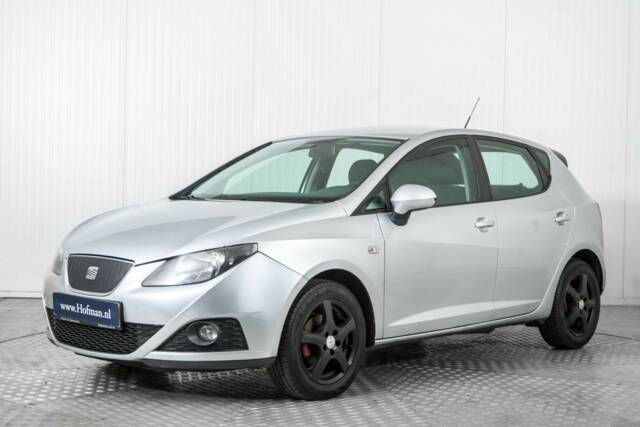
2012 | SEAT Ibiza 1.2 TDI
SEAT Ibiza 1.2 TDI COPA Ecomotive
History & Heritage
For British buyers, SEAT is still too often filed under “later Volkswagen-era daily transport”, which means the earlier cars remain under-appreciated. That misses the point. As a collector marque, SEAT matters because it compresses several stories into one: Spain’s motorisation, the long Fiat-licensed period, the shift towards independent engineering, and finally the brand reset that produced the first Ibiza. If you want a classic that feels European but not over-exposed on UK roads, SEAT is one of the strongest make-level buys left.
The first key chapter is the SEAT 600. Built in Spain from 1957 to 1973, with roughly 783,745 examples produced, it became the great people’s car of modern Spain. In collector terms, it plays the cultural role that the Mini or Citroën 2CV does elsewhere: simple, symbolic, tiny, and instantly recognisable. The 600 matters because it gave SEAT an identity rooted in everyday life, not just licensing agreements.
SEAT then moved from basic mobility to ambition. The 850 family expanded the range, but the standout for collectors is the 850 Sport Spider, launched in 1969. With only 1,746 built, Bertone styling, rear-engine layout and open-top bodywork, it remains one of the rarest and most desirable production SEATs. British buyers used to MGBs, Spitfires and Sprites often warm to it quickly, because it offers the same compact summer-car appeal but from a very different Mediterranean angle.
The next decisive era came with the 124 and 1430 families. The regular cars mattered because they brought a modern medium-sized saloon to the Spanish market; the collector-grade versions matter because they created SEAT’s real performance reputation. The 124 Sport Coupé 1600, launched in 1970, delivered 110bhp, a five-speed gearbox and a proper twin-cam engine in a car weighing under a tonne. The 1430 FU and later FL variants turned the saloon formula into something rally-capable, fast and mechanically serious.
Then came the most self-conscious design statement of the early brand: the 1200 Sport “Bocanegra”, launched at the end of 1975. It was the first SEAT that genuinely looked like SEAT was trying to break free from being seen as a Spanish Fiat offshoot. The black polyurethane nose, wedge-like profile and youthful positioning make it one of the most period-correct European coupes of the late 1970s.
Finally, the first-generation Ibiza changed everything. Launched in 1984, it was SEAT’s first true in-house model and a turning point in the brand’s survival. Giorgetto Giugiaro shaped it, Karmann helped industrialise it, and the engines wore the famous System Porsche branding. With 1,284,648 first-generation Ibizas built, it was not rare when new, but clean survivors now matter because they mark SEAT’s rebirth. In Britain, where period hot hatches dominate the nostalgia conversation, an early Ibiza still looks fresh precisely because hardly anyone bought one as a future classic.
At make level, five models define the marque for collectors: 600, 850 Sport Spider, 124/1430 FU-FL, 1200 Sport Bocanegra, and Ibiza I System Porsche. If you understand those cars, you understand why SEAT is more than a curiosity.
Highlights & Features
What makes classic SEAT interesting in 2026 is not one single halo car, but the spread of experiences inside one badge.
The 600 gives you national-history importance, near-microcar charm and unusually low running complexity. The 850 Sport Spider adds rarity and style. The 124 Sport Coupé and 1430 FU/FL bring genuine enthusiast engineering: rear-wheel drive, twin-cam power, five-speed gearboxes and rally credibility. The Bocanegra offers scarcity plus one of the strongest visual identities of any 1970s Spanish car. The Ibiza I adds Giugiaro lines, useful practicality and the collector pull of that System Porsche cam-cover script.
For UK buyers specifically, there are four more reasons the make stands out:
First, rarity without total obscurity. You will not park next to another SEAT 124 Sport at most British shows, yet the cars are still documented enough to research properly.
Second, left-hand drive is normal, not a flaw. On many continental classics, British buyers still try to hold out for RHD. With SEAT, that is mostly unrealistic and often unnecessary. LHD is part of the car’s story, and trying to chase converted examples can create more problems than it solves.
Third, parts support still flows from Spain and Europe. Mechanical overlap with Fiat-derived components helps on some cars, while Spain remains the natural hunting ground for trim, lamps, badges and bodyshell-specific pieces.
Fourth, the brand is still undervalued. Equivalent-condition SEATs often sit below more fashionable Alfa Romeo, Lancia, Mini or Porsche alternatives, even when the design story or driving appeal is no less interesting.
The caution is equally clear: classic SEATs reward informed buying, not impulse. Mechanical jobs are usually easier than correcting missing trim, poor welding, wrong interior parts or registration paperwork.
Technical Data
For buyers, the useful pattern is simple. Early cars are rear-engined and tiny, the sporting middle period is front-engined, rear-drive and mechanically vivid, and the later Ibiza is a front-drive hatchback with proper 1980s everyday usability. That gives SEAT one of the broadest collector spreads of any affordable European make.
Market Overview & Buying Tips
The current UK-facing market is small enough to stay inefficient, which is exactly why it is worth watching. When researched in June 2026, the Classic Trader UK SEAT page showed 8 offers, with the visible classics led by several 600s and a 1430. That tells you two things straight away: supply in Britain is thin, and buyers need to think internationally.
Current price picture
For the SEAT 600, the market is still the broadest. On Classic Trader UK in 2026, a 1973 600 E was advertised at £8,551, while a more modified 1968 600 Abarth-style car was shown at £15,978. Another UK-indexed listing showed a 1971 600 E at £3,892, which is roughly the floor for a usable, non-show-winning car bought on its charm rather than its originality. On Bring a Trailer, a 1965 SEAT 600D attracted a high bid of $1,500 in February 2026 without selling, a reminder that the US market still prices ordinary examples cautiously. In practice, UK buyers should think of £4,000-£9,000 as the normal span for honest 600s, with outstanding restorations, unusual versions or Abarth-style builds sitting well above that.
The 850 Sport Spider is much rarer and far less often seen. Collector value tends to come less from horsepower than from scarcity, Bertone design and completeness. Older Classic Trader references have shown regular SEAT 850 saloons in the £6,000-£6,500 area, but the Spider is a different market altogether. A structurally sound, complete Spider generally deserves a strong premium because trim, hood hardware and model-specific details are harder to source than the ordinary 850 mechanicals.
The 124 and 1430 range is where prices spread out dramatically. In 2026, Car & Classic showed a SEAT 124 Sport Coupé 1800 advertised at €39,000, while an ordinary 1975 SEAT 124 saloon sat around €7,000. That gap is the whole market in one glance. Humble 124s can still be bought as usable curiosities; proper twin-cam coupe and competition-bloodline cars are no longer cheap. For UK money, think roughly £6,000-£9,000 for basic saloons needing little, £18,000-£30,000 for serious coupes or sorted FUs, and more again for standout restorations, documented ex-competition cars or scarce late FL 90-type machinery.
The Bocanegra remains one of the best value-to-interest cars in the make. A restored 1979 SEAT Sport 1200 Bocanegra was advertised on Garaje Clásico in Spain in December 2024 for €9,800. That is still modest money for a complete, restored, visually distinctive coupe with real historical importance. For a UK buyer, however, the headline price is only half the story; buying a cheap but incomplete Bocanegra can turn into a trim hunt across Spain, Belgium and the Netherlands.
The first-generation Ibiza System Porsche is still the cheapest way into the badge. A 2024 Caradisiac market snapshot put usable cars at around €1,800 for a 1.2, €2,200 for a 1.5, and about €4,500 for an SXi. Classic Trader UK also showed an expired 1986 Ibiza “Motor System Porsche” listing at £2,159 in 2025. Even allowing for the usual project-car optimism, that is still genuine entry-level classic money.
What UK buyers need to understand first
1. RHD is rare, and mostly not the point.
If you are shopping pre-1980 SEATs in Britain, expect left-hand drive. That is normal. A genuine Spanish-market car with clean structure and complete trim is worth far more than a compromised conversion done decades ago. On a small car like a 600 or a Spider, LHD is barely an ownership barrier. On a 124 or Ibiza, it matters more for overtaking and car-park ergonomics, but not enough to reject the right car.
2. Import friction is real, but manageable.
Post-Brexit, importing from Spain is no longer as frictionless as dragging a car home from France once was. You must deal with NOVA, then register with DVLA, and you must settle any VAT or customs position before registration. HMRC guidance says NOVA must be handled before DVLA registration, and specialist UK importers still charge for the paperwork because mistakes delay everything. Budget for administration, transport and some waiting time.
3. Qualifying classics can still benefit from reduced tax treatment.
For vehicles of historical interest imported in original form, specialist UK tax guidance in 2024-2025 still pointed to the valuable relief many buyers care about: 5% VAT and no import duty when the car is at least 30 years old, in original state, and the model is no longer in production. That can make a major difference on a £20,000-plus 124 Sport or FL-series car.
4. Transport cost matters on cheap cars.
For low-value SEATs, shipping can distort the maths fast. Clicktrans’ 2025 Europe figures showed typical London-Barcelona transport quotes around £880-£1,350. Add collection, brokerage, registration fees and remedial jobs, and a €2,500 Ibiza can easily become a £5,000-£6,000 British driveway car.
Inspection priorities
Body before engine is the first rule. It applies to nearly every SEAT classic.
On the 600, inspect sills, floors, front luggage area, battery zone, lower door edges, rear engine-bay structure and previous patch repairs. Cheap restorations often hide poor metalwork because the car is physically small and simple.
On the 850 Sport Spider, structural integrity is everything: sills, jacking points, floor edges, screen frame, front luggage well, rear quarter structure and hood-frame mounting areas. Trim pieces, lights and Spider-only details are what hurt financially.
On 124/1430/FU/FL cars, check inner wings, front strut areas, sills, floorpans, rear arches, boot floor, windscreen surrounds and axle location points. On twin-cam cars, verify engine type, carburetion, gearbox spec and differential. A car advertised as a FU or FL needs documentary and physical proof.
On the Bocanegra, focus on front-end crash repairs, the condition of the distinctive black nose, dashboard cracking, missing trim and previous bodged paintwork around the nose panel. Mechanicals are usually less frightening than sourcing correct cosmetic pieces.
On the Ibiza I, look for corrosion, tired interiors, poor electrics, window-lift and central-locking issues, weak earths, shabby engine bays and old cooling-system neglect. Early System Porsche cars are not mechanically exotic, but neglect can make them feel worse than they are.
UK roadworthiness, MOT and registration realities
Many SEAT classics are old enough to qualify as vehicles of historical interest in Britain, which means MOT exemption can apply if the vehicle is over 40 years old and has not been substantially changed. That helps ownership costs, but it does not remove the need for a roadworthy car. In practice, many careful buyers still want a fresh inspection standard, because Spanish dry-climate cars can hide long-term brake, hose and tyre age better than they hide rust.
Corrosion expectations also change once a Spanish car reaches Britain. A car that spent decades away from road salt may be structurally far better than an equivalent UK classic, but once here it will still face wet storage, salty winter roads and stricter underbody scrutiny from buyers and workshops. Waxing, cavity protection and disciplined storage matter.
Parts and ownership culture
Britain does not have a huge stand-alone historic SEAT scene, but it is not a dead zone either. The broader SEAT enthusiast community remains active online in the UK, and modern owner forums still provide useful network effects for parts leads and specialist recommendations. For older cars, though, the real supply line runs through Spain, plus some overlap with Fiat-derived mechanicals and specialist European sellers.
That means you buy a SEAT classic best when you are happy with three things: sourcing parts internationally, living with LHD where relevant, and owning something people will ask about at every fuel stop.
Driving Experience
Classic SEATs drive with more personality than their prices suggest.
The 600 is the most innocent of them: tiny steering wheel, busy rear engine, modest pace, huge charm. It feels alive at speeds a modern hatchback would call walking pace. On British B-roads it is not about speed but about momentum, sightlines and using every one of its limited horsepower.
The 850 Sport Spider takes that small-car delicacy and adds glamour. It is light, open and playful rather than fast-fast. Compared with a British roadster, it feels less agricultural and more cheerful, with a distinctive Mediterranean ease.
The 124 Sport Coupé and 1430 FU/FL cars are the drivers’ SEATs. They give you the classic recipe British enthusiasts usually chase in old BMWs, Escorts or Alfas: rear-wheel drive, lively front end, manual gearbox and an engine that rewards revs. A good FU does not feel like a curiosity; it feels like a proper period sports saloon.
The Bocanegra is more about attitude than raw output. You sit low, look over that black nose and get a car that feels agile, compact and slightly mischievous. It is a style-led drive, but not an empty one.
The Ibiza I is the usable classic of the bunch. It feels unmistakably 1980s, but it is easy to place, easy to start using often, and far less intimidating in modern traffic than the earlier cars. For many first-time buyers, it is the smartest route into the marque.
Design & Coachwork
SEAT’s design story is unusually easy to read in metal. The earliest cars show the clean, practical logic of Fiat-era Europe: tiny footprints, upright cabins, simple surfaces. The 600 is almost architectural in its efficiency.
The 850 Sport Spider introduces style for style’s sake. Bertone gave SEAT a car with genuine visual grace, proving the marque could sell desire as well as mobility.
With the 124 Sport Coupé, the language becomes more mature. Long bonnet, airy greenhouse, strong stance and a seriousness that matches the twin-cam engine. It is one of the prettiest cars ever to wear a SEAT badge.
The 1200 Sport Bocanegra marks the design break. Its black nose is not a gimmick anymore; it is the whole identity of the car. In period it looked radical, and in 2026 it still does. That is rare.
Then the Ibiza I lands with Giugiaro’s sharp-edged confidence. It looks honest, square and modern in the best 1980s sense, and the details matter: thin pillars, crisp shut lines, useful glass area, no wasted drama. It is design serving brand reinvention.
Across the make, that progression is the appeal. You can trace SEAT from licensed pragmatism to independent self-belief almost panel by panel.
Motorsport, Clubs & Cultural Weight
SEAT’s competition credibility is stronger than many UK buyers assume. The big anchor is the 124/1430 line. The works SEAT 124 1800 Group 4 cars famously finished third and fourth overall at the 1977 Monte Carlo Rally, ahead of machinery with far bigger international reputations. Later, the FL 90 continued that bloodline and helped deliver SEAT Competición’s last title in period touring-car racing.
That matters in Britain because historic rally culture here is deep. A good FU or FL is not merely “Spanish and unusual”; it belongs in the same conversation as other compact European competition saloons of the 1970s.
Culturally, the 600 remains the emotional centre. It is the car that explains Spain’s economic transformation. The Bocanegra explains a different moment: a younger, more self-confident Spain moving towards a broader European design culture. The Ibiza then marks SEAT’s survival and reinvention.
In club terms, Britain’s classic SEAT world is smaller than the Mini, Alfa or Ford scene, so owners tend to rely on a mix of general SEAT communities, historic clubs, Spanish specialists and Fiat-adjacent technical knowledge. For some buyers that sounds inconvenient; for others it is exactly the attraction.
Summary
If you want the easiest entry into the make, buy a sound Ibiza I System Porsche. If you want the strongest combination of cultural importance and charm, buy a 600. If you want the most serious driver’s car, focus on the 124 Sport Coupé or 1430 FU/FL family. If you buy with your eyes first, the Bocanegra is one of the great left-field European coupes. And if rarity matters most, the 850 Sport Spider is the jewel.
For UK buyers, the formula is clear: accept LHD where necessary, budget properly for import paperwork and transport, inspect bodywork before cosmetics, and treat Spanish-market originality as a strength rather than an inconvenience. Do that, and classic SEAT ownership offers something increasingly hard to find elsewhere: a car with real history, usable character and genuine scarcity without requiring blue-chip money.
That is why buying a classic SEAT now still makes sense. The best cars are no longer ignored, but the marque as a whole remains undervalued enough for informed buyers to get in before the wider market catches up.