- Car
- Rolls-Royce
- Rolls-Royce Camargue (0 offers)
Rolls-Royce Camargue classic car for sale
The Rolls-Royce Camargue, crafted from 1975 to 1986, stands out with its sharp lines, rare production run, and Italian design by Pininfarina. Built as the flagship luxury coupé of its era, it combines advanced engineering—like its pioneering dual-zone climate system—with a uniquely bold appearance and meticulous interior craftsmanship.
Search results
Currently, there are no matching listings for your search.
Create search alert
Let yourself be notified as soon as a listing is published that matches your search filters.
Create listing
Do you have a Rolls-Royce Camargue that you want to sell? Then create a listing now.
Create listingRolls-Royce Camargue listing references from Classic Trader
Below you will find listings related to your search that are no longer available on Classic Trader. Use this information to gain insight into availability, value trends, and current pricing for a "Rolls-Royce Camargue" to make a more informed purchasing decision.
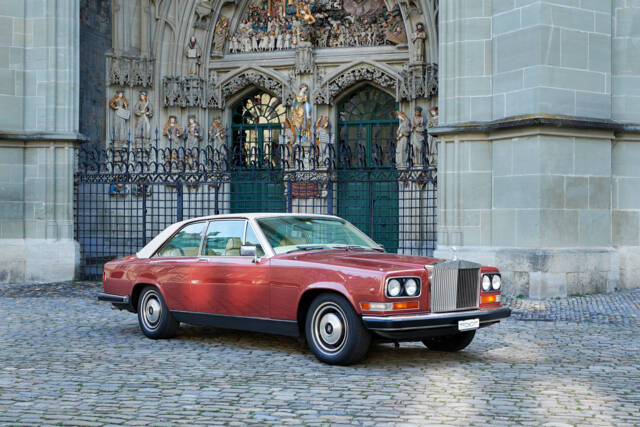
1984 | Rolls-Royce Camargue
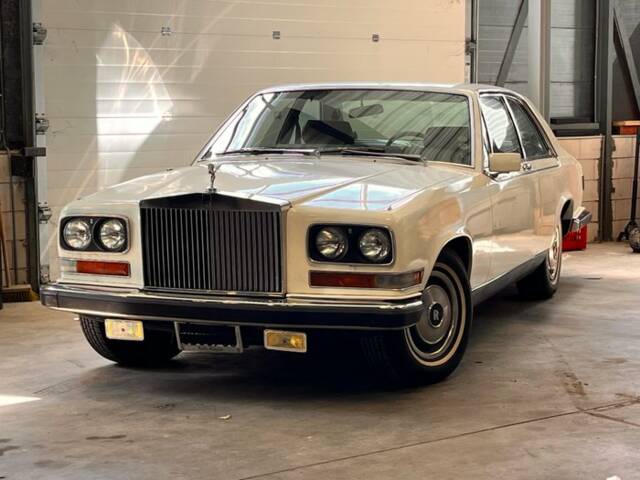
1976 | Rolls-Royce Camargue
Rolls-Royce - Camarque - 1976
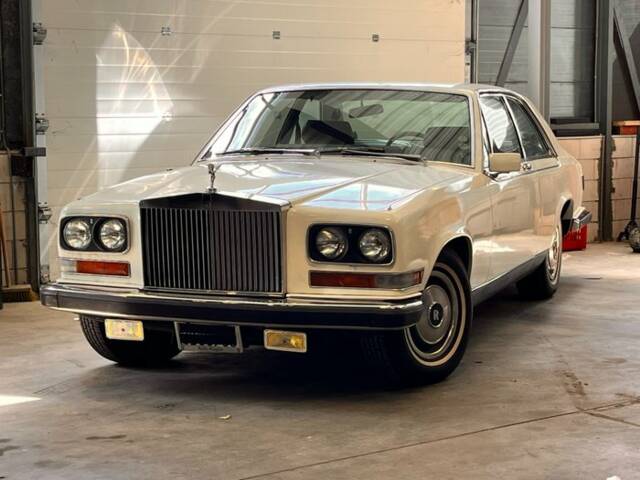
1976 | Rolls-Royce Camargue
Rolls-Royce - Camarque - 1976
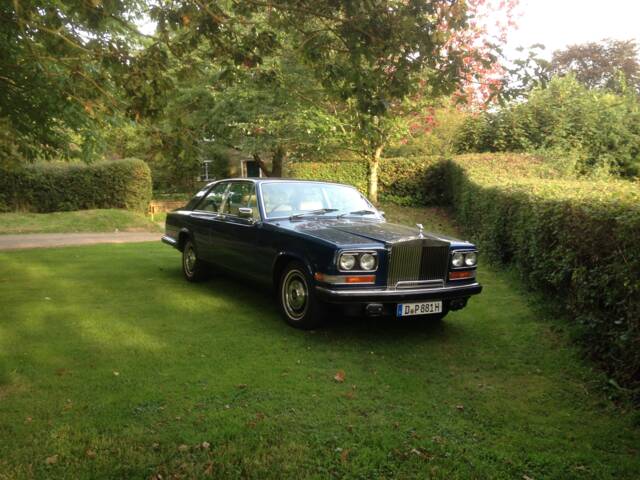
1982 | Rolls-Royce Camargue
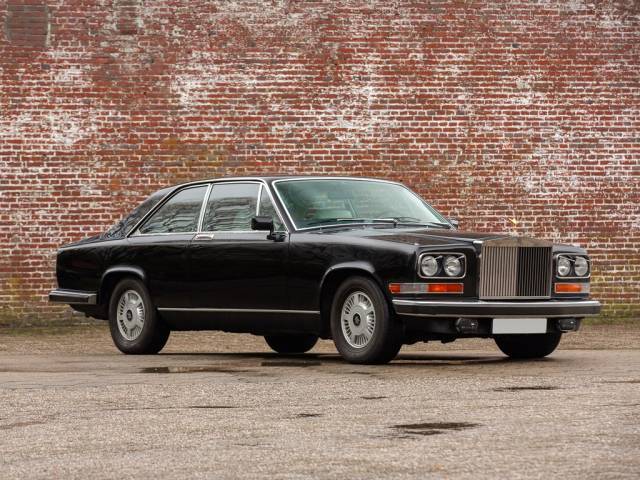
1981 | Rolls-Royce Camargue
1981 Rolls-Royce Camargue
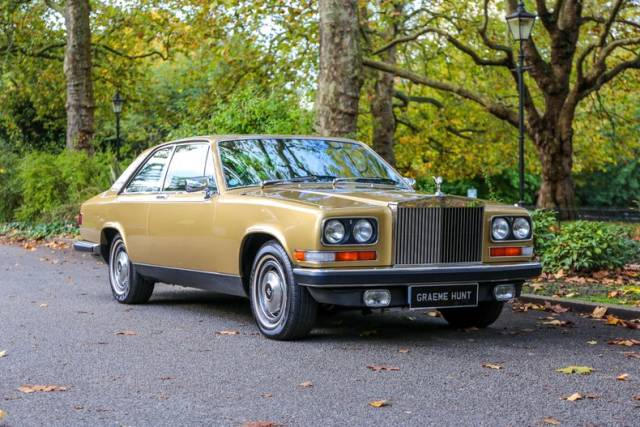
1977 | Rolls-Royce Camargue
1977 Rolls-Royce Camargue
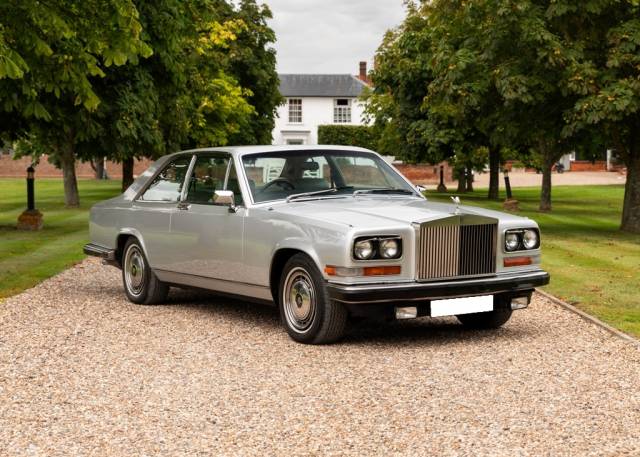
1981 | Rolls-Royce Camargue
Rolls-Royce Camargue
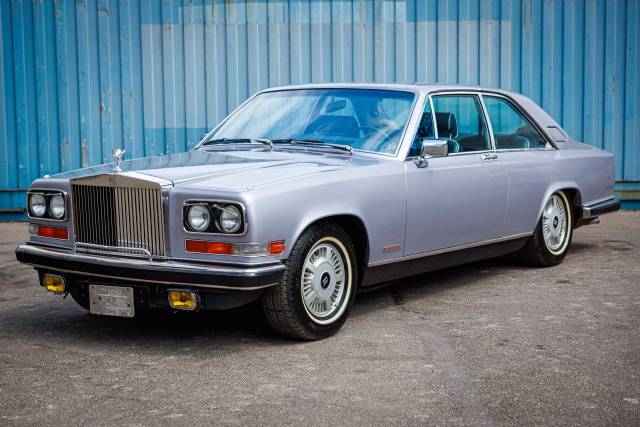
1985 | Rolls-Royce Camargue
Low Miles - Rare Roller
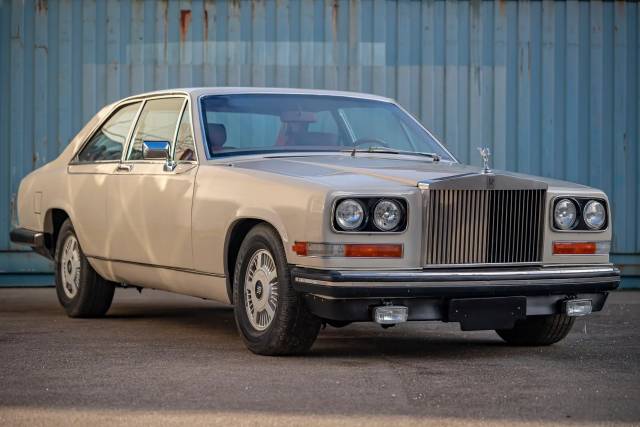
1980 | Rolls-Royce Camargue
No Reserve - Needs Recommission
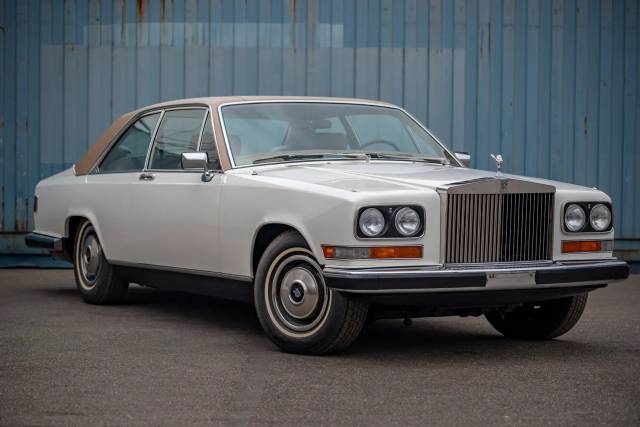
1986 | Rolls-Royce Camargue
Rare Rolls - Low Miles
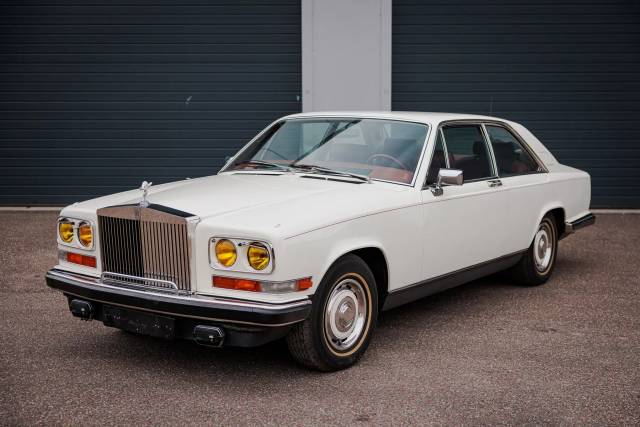
1985 | Rolls-Royce Camargue
Very Fine Example - Low Miles
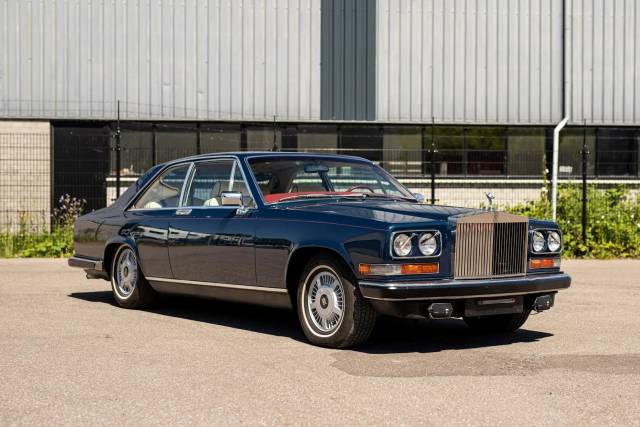
1985 | Rolls-Royce Camargue
Rare & Desirable British Legend - Recommission Needed
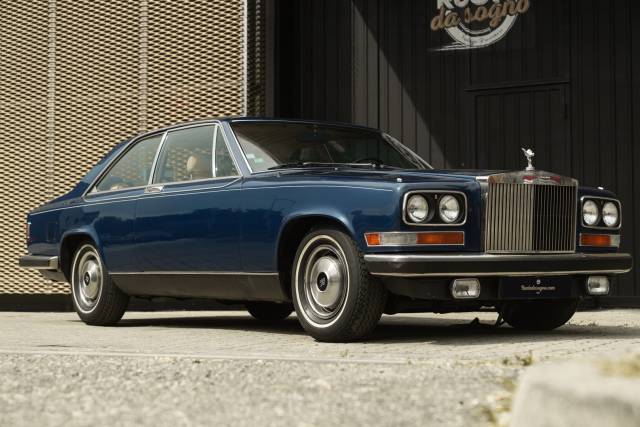
1975 | Rolls-Royce Camargue
Create search alert
Let yourself be notified as soon as a listing is published that matches your search filters.
Create listing
Do you have a Rolls-Royce Camargue that you want to sell? Then create a listing now.
Create listingHistory of the Rolls-Royce Camargue
The Rolls-Royce Camargue was conceived during an era of transformation at Rolls-Royce. Production ran from 1975 to 1986, with just over 530 examples built. The name derives from the Camargue region in southern France, signalling an international flair that was underscored by employing Paolo Martin at Pininfarina for the design. It was the first post-war Rolls-Royce not styled in-house. The Camargue’s launch positioned it as the world’s most expensive series car of its time, further elevating its status as the marque’s technical and aesthetic spearhead. Development paralleled that of the Corniche, sharing much of the underpinnings, but the Camargue’s avant-garde design and luxury status meant substantially higher exclusivity. Its manufacturing path—starting at Mulliner Park Ward, later moved to Crewe—reflected Rolls-Royce’s attempts to refine both quality and individuality. No direct successor followed upon the Camargue’s end in 1986, making it a stand-alone episode in the brand’s lineage.
Model history of the Camargue
The Camargue’s design and engineering essentially borrowed from both the Silver Shadow and the Corniche, yet surpassed them in size and technical specification. There were no distinct generations or model series in a classical sense; rather, incremental updates came over the 11-year run. Early cars are noted for variable construction quality, a byproduct of shifting production methods. Noteworthy technical improvements included the introduction of rack-and-pinion steering from 1977 and independent rear suspension—borrowed from the Silver Spirit—after 1980. As the Rolls-Royce flagship, the Camargue did not have an immediate predecessor or successor, existing instead as a unique expression of coupé luxury. The final run included bespoke editions, mainly for special markets like the US and Japan.
Highlights of the Rolls-Royce Camargue
The Camargue immediately stands out for several reasons. Its design, executed by Paolo Martin at Pininfarina, broke away from the flowing lines traditional to Rolls-Royce, favouring a pronounced trapezoidal form and a distinctive airplane-inspired fascia. Underneath, it featured a 6.75-litre V8 engine and the first fully automatic dual-zone climate system ever installed in a car. Luxurious touches abound: burr walnut trim, bespoke leather, and plush carpets ensure an interior reminiscent of an English gentlemen’s club. Each car could be ordered with highly individual customisation—unusual colours, materials, and even advanced (for the period) accessories like a car phone or elaborate alarm systems. At production, it was the most expensive series-produced vehicle globally. The extremely limited production of 530–561 units underscores its rarity, with the Camargue accounting for 100% of the manufacturer-coded supply and demand in the database—further evidence of its singular place among Rolls-Royce offerings.
Technical data of the Rolls-Royce Camargue
Special Editions and Collectible Models
Towards the end of its run, Rolls-Royce produced several highly distinctive Camargue editions. The final 14 vehicles—primarily for the US market—were finished in white, with white Everflex roofs and bespoke interiors loaded with additional options, such as specialised entertainment units and advanced security features. Each of these cars bore an exterior 'CAMARGUE LIMITED' plaque. The very last two Camargues were custom-made for clients in Japan and the Middle East, further emphasising the model’s bespoke legacy.
Weak Spots and Common Issues
Potential buyers should be aware of key areas on the Camargue. Early cars, especially those from the late 1970s, are known for inconsistent build quality, especially in interior trim and certain fittings—sometimes referred to as 'Edelmurks' in specialist circles. The complex 6.75-litre V8 demands rigorous, specialist maintenance, and parts—especially for suspension, climate control, and electrics—can be difficult and expensive to source. The innovative dual-zone climate system is a servicing challenge, and components such as rubber mounts may harden with age, leading to vibrations. High fuel consumption (6–8 mpg) results in significant running costs. Rust is less problematic than in other period cars, but aged plastics, rubber, and some electro-mechanical systems require close inspection. For the best experience, cars with full, documented history and originality are highly recommended, as restoration is costly and intricate.
Engine and Performance, Transmission and Handling
With its 6,750cc V8, the Camargue offers strong, refined performance suitable for high-speed continental cruising rather than outright athletic drive. The transmission is a General Motors-supplied 3-speed automatic, which offers smoothness but not sportiness. The sophisticated suspension provides true Rolls-Royce comfort, especially on long journeys, thanks in part to self-levelling rear wheels—but sharper cornering was not its forte. While improvements over its production period—especially the adoption of rack-and-pinion steering and later, independent rear suspension—gave later cars better dynamic competence, the Camargue always remained focused on effortless, stately drive. Most notable are late-production models incorporating the upgraded steering and rear suspension technology from the Silver Shadow II and the Silver Spirit, as well as the special US-market white editions, prized for their rarity and unique specification.
Interior, Comfort, Exterior and Design
The Camargue was styled by Paolo Martin at Pininfarina—a departure from the marque’s tradition, with sharp, squared-off lines, a wide grille, and subtle Italian flair. The proportions are commanding, with a low roofline and broad stance that distinguish it from both Silver Shadow and Corniche. The dashboard was inspired by aviation, and each interior was thoroughly bespoke, featuring hand-finished burr walnut, fine Connolly leather, deep-pile carpets edged in complementary piping, and, in many cases, surprising colour schemes reflecting owner whimsy. Options included car phones, elaborate audio systems, and custom trim details. Exterior features range from the round dual headlamps to the sizable signature grille, while special editions featured unique badging and white-on-white paintwork. The Camargue’s visual presence remains unmatched among its contemporaries.
Other relevant features
The Camargue pioneered numerous luxury features—most notably its full automatic climate control system, which set a benchmark for future luxury models. Some cars, particularly later ones, were equipped with in-car entertainment systems, advanced (for the period) alarms, and even mobile telephones. Production was frequently tailored to individual customer preferences, explaining the unusual number of unique colour and material combinations.
Summary
The Rolls-Royce Camargue encapsulates bespoke luxury, technical ambition, and design individuality within a singular, low-volume coupé. Penned by Pininfarina, engineered atop Rolls-Royce’s proven mechanicals, and furnished to the highest standards, it stands as a testament to a bold era in the company’s history. Its very low production numbers, substantial running requirements, and unique features make it a connoisseur’s classic—distinctive in specification, challenging in upkeep, and remarkable in presence.