McLaren M4A classic cars for sale
The McLaren M4A is a purebred Formula Two racing car developed for the European circuit. Its creation reflects McLaren's push into international single-seater competitions, with the M4A serving as a key step in the brand's storied motorsport evolution.
Search results
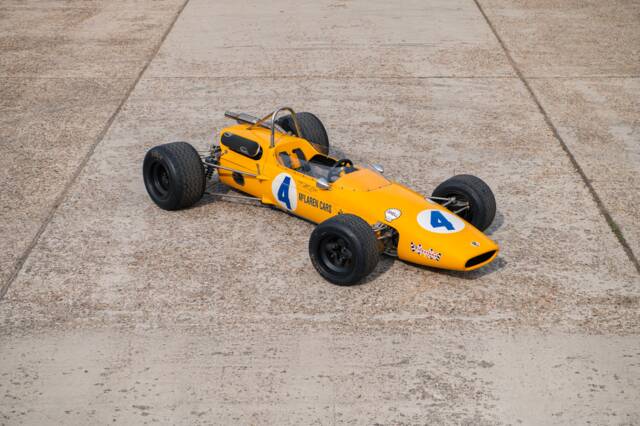
1967 | McLaren M4A Formula 2
Formula two

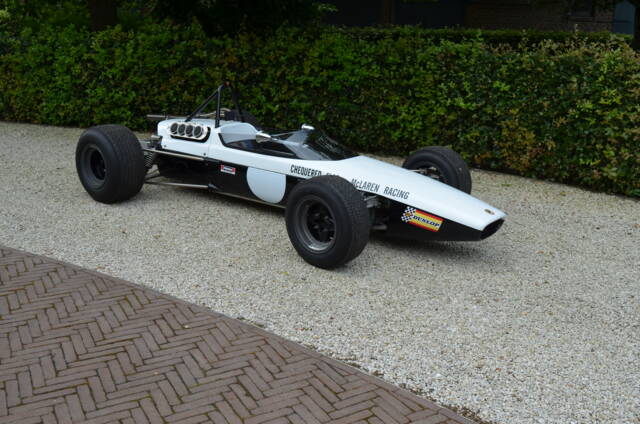
1968 | McLaren M4A Formula 2
“Original Chequered Flag team car”
Auctions ending soon

Loading…
Loading…
Loading…
Loading…
McLaren M4A listing references from Classic Trader
Below you will find listings related to your search that are no longer available on Classic Trader. Use this information to gain insight into availability, value trends, and current pricing for a "McLaren M4A" to make a more informed purchasing decision.
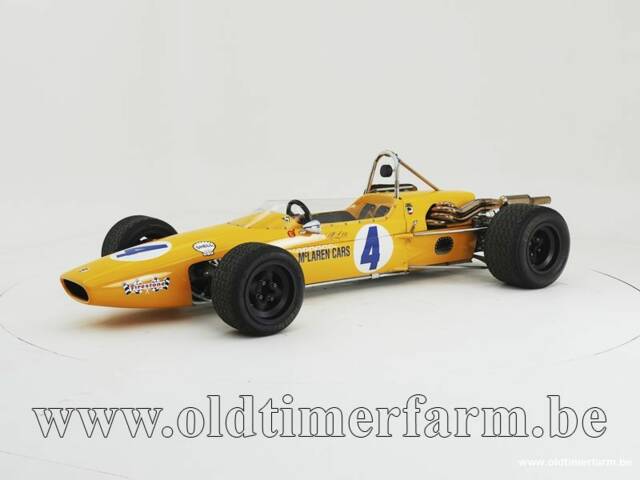
1967 | McLaren M4A Formula 2
1967 McLaren M4A F2 '67
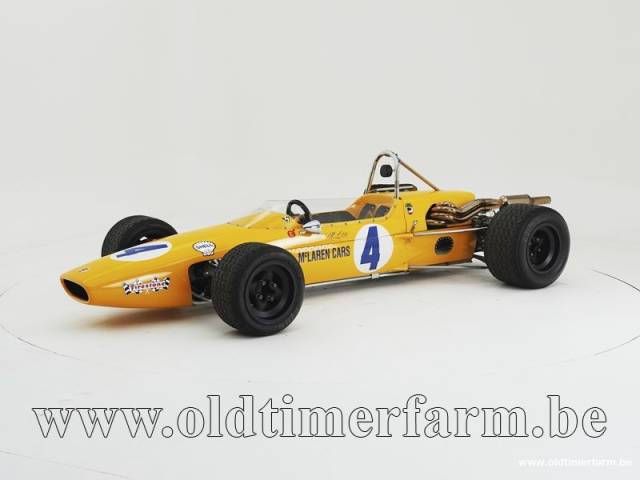
1967 | McLaren M4A Formula 2
1967 McLaren M4A Formula Two '67
History of the McLaren M4A
The McLaren M4A debuted in 1967 as McLaren's entry into the highly competitive world of European Formula Two racing. Designed by Robin Herd, the M4A marked an ambitious chapter for McLaren, positioning the brand not just as a Formula One contender, but also as a serious player in other international championships. The car's engineering focused on lightweight aluminium construction and contemporary aerodynamic solutions of its era, seeking to give privateer teams a competitive edge in the growing Formula Two scene.
Model History
The M4A did not have a direct predecessor in McLaren's line-up, representing the brand's first bespoke Formula Two chassis. It later led to the development of the McLaren M4B, which adapted the base for use in other open-wheel categories. The M4A's success influenced the technical trajectory of subsequent McLaren racing cars, fostering the company's reputation for innovative thinking in motorsport.
Highlights of the McLaren M4A
The M4A distinguished itself through its lightweight construction, reliable performance and accessibility for privateer teams. Designed by Robin Herd, it showcased McLaren's technical prowess outside Formula One, with an emphasis on balanced handling and effective aerodynamics. The chassis allowed for flexibility in engine selection, although most cars were fitted with Cosworth powerplants.
Technical specifications
Special Editions and Collectible Models
There were no officially designated special editions of the McLaren M4A, but individual cars gained character through their race history, modifications, and notable drivers. As each chassis was supplied to privateer and customer teams, unique configuration details or a proven competition track record can set some examples apart.
Weak Spots and Common Issues
No specific known technical weak spots are documented for the McLaren M4A. However, as with many 1960s Formula Two racers, close attention must be paid to corrosion in the frame, fatigue in suspension components, and thorough service history is essential due to the nature of vintage racing use. Parts availability is niche and may require specialist fabrication.
Engine and Performance, Transmission and Handling
The M4A was engineered for sharp handling and adaptability on technical European circuits. The lightweight chassis and close-ratio gearbox enabled quick directional changes and responsive performance, especially when matched with period-correct high-revving engines like the Cosworth FVA. The suspension geometry was tuned for a blend of front-end grip and rear stability, contributing to its suitability for drivers aiming for consistent lap times.
• McLaren M4A (Cosworth FVA-powered): Notable for its potent output and reliability on the track, frequently used by top teams and drivers in the late 1960s Formula Two circuits. • McLaren M4A (Alternative engines): Some customer teams experimented with different engine installations, though these configurations are rarer.
Interior, Comfort, Exterior and Design
The M4A encapsulates the minimalist approach of 1960s open-wheel formula racing: no interior trim, exposed panels, and purposeful cockpit design focused on weight reduction and driver control. Robin Herd's design prioritised low frontal area, crisp body lines and aerodynamic efficiency. The exterior showcased McLaren's shift toward orange as a brand identity. Optional or custom touches reflected individual race team requirements, including variations in dashboard layout or external livery, but factory-standard specification remained function-first.
Other Notable Features
Given its customer racer roots, the M4A provided flexibility in engine and gearbox combinations, tailored for individual team preferences and race regulations. Original documentation and period competition records add significant value to surviving examples.
Summary
The McLaren M4A stands as a purpose-built Formula Two machine that broadened McLaren's reputation in international single-seater racing. With 100% representation in both supply and demand among McLaren classic racers in this segment, the M4A occupies a unique niche for motorsport collectors, combining heritage, engineering integrity, and the possibility of continued historic race participation.