Citroën SM classic cars for sale
The Citroën SM stands alone in classic car history: a French grand tourer fusing Maserati V6 power with Citroën’s hydropneumatic suspension and radical design. Built between 1970 and 1975, it was a technical benchmark—today it's an engineering cult object for the discerning connoisseur.
Search results
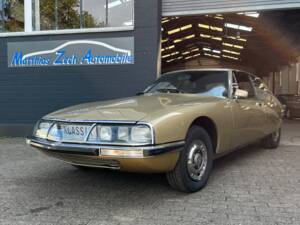
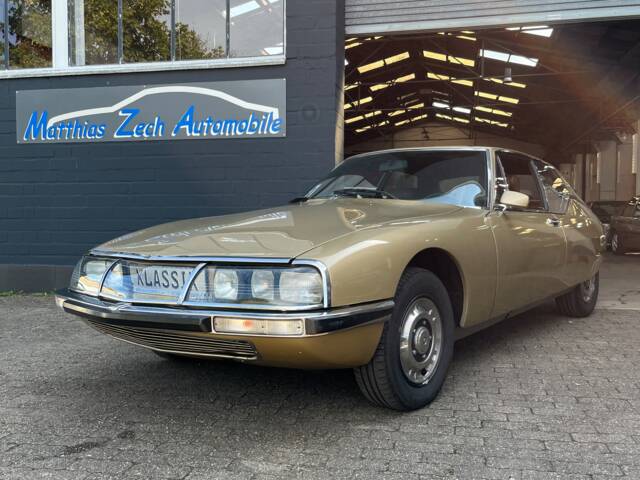
1971 | Citroën SM
Leather upholstery * 5-speed manual * Carburettor model

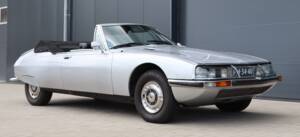
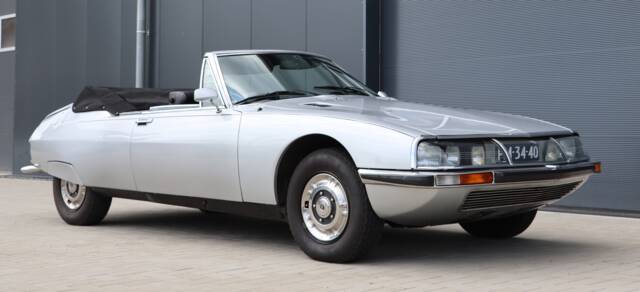
1972 | Citroën SM Waßmann
Waßmann’s first SM convertible
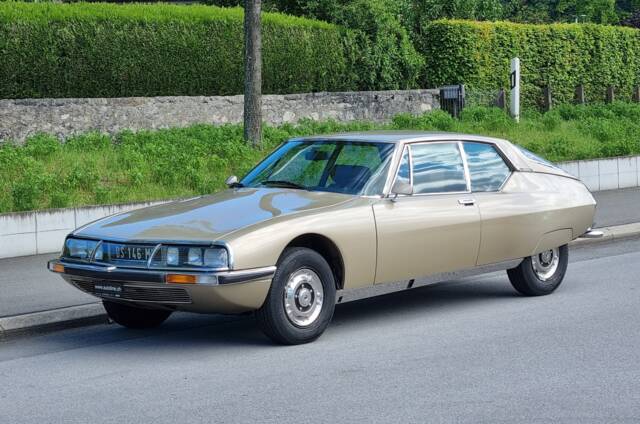
1972 | Citroën SM
Magnifique SM restaurée

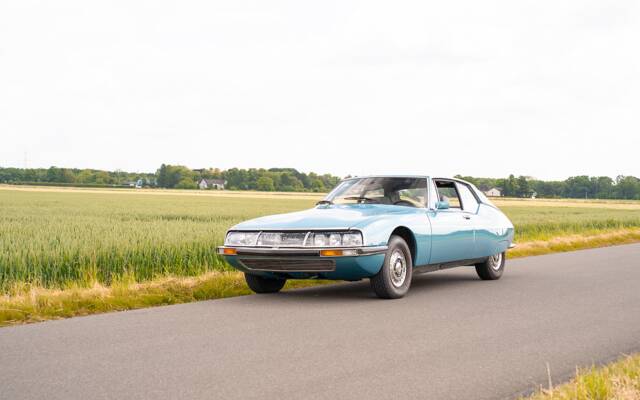
1971 | Citroën SM
SM - Mechanically overhauled!
Newsletter
The best Citroën listings, straight to your inbox
Get hand-picked Citroën listings, plus the best of cars, motorbikes, and auctions on Classic Trader — all in one place.
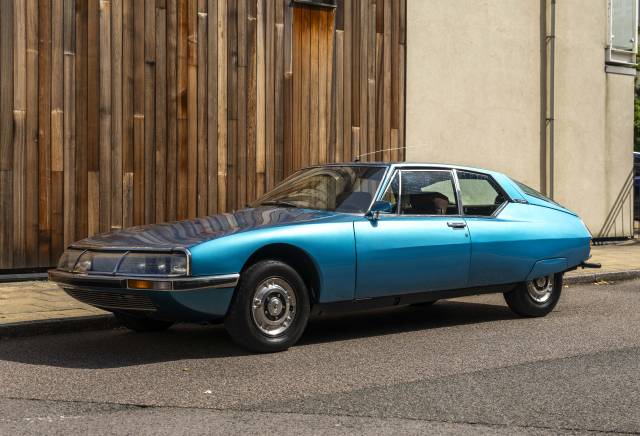
1971 | Citroën SM
Citroën SM (LHD)

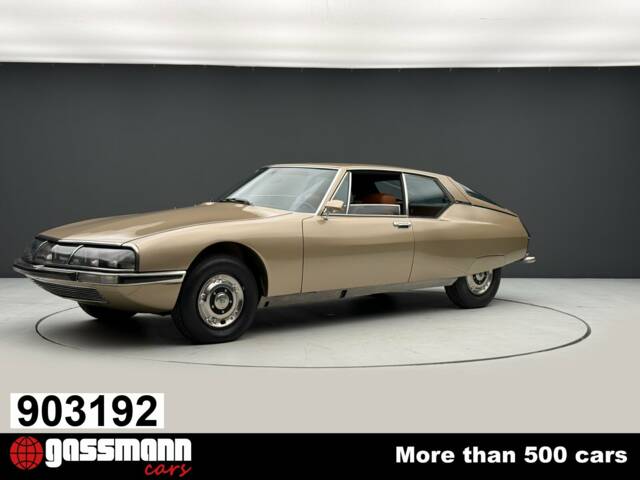
1973 | Citroën SM
SM Coupe 2.7L V6 Maserati Motor
Citroën SM listing references from Classic Trader
Below you will find listings related to your search that are no longer available on Classic Trader. Use this information to gain insight into availability, value trends, and current pricing for a "Citroën SM" to make a more informed purchasing decision.
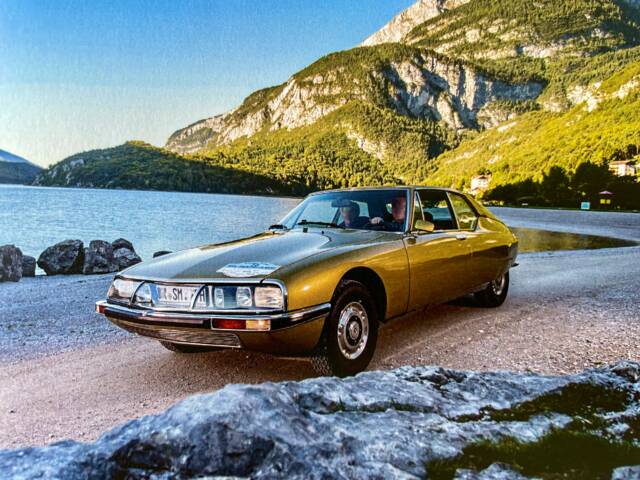
1973 | Citroën SM injection
Citroen SM 2.7 IE, 1973, Or Sirmiane
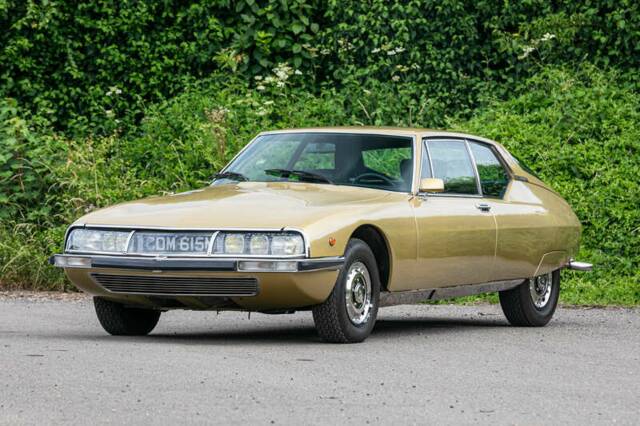
1973 | Citroën SM injection
1973 Citroën SM 2.7
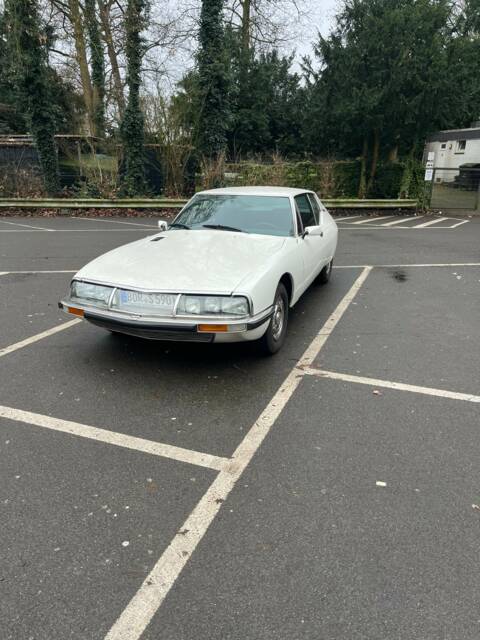
1971 | Citroën SM
Klassischer Grand Tourer in sehr gepflegtem Zustand – mit Gutachten, originalen Fahrzeugpapieren und dokumentierter Wertermittlung
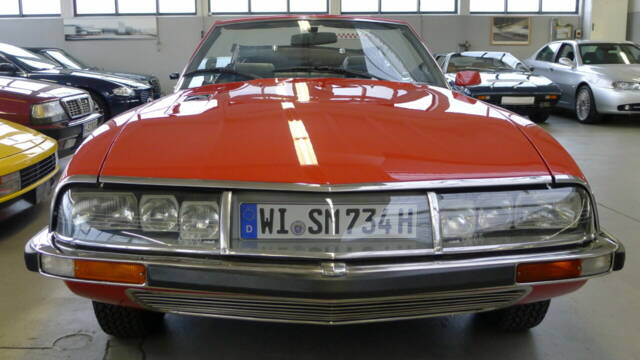
1973 | Citroën SM Waßmann
Waßmann Cabriolet, Note 2+
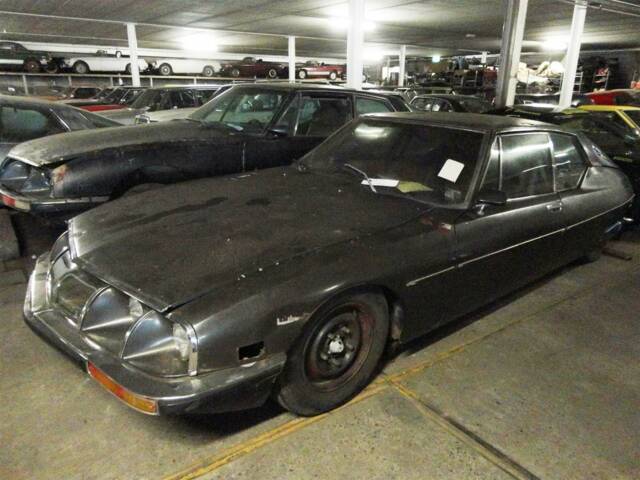
1973 | Citroën SM
Citroën-SM 0184

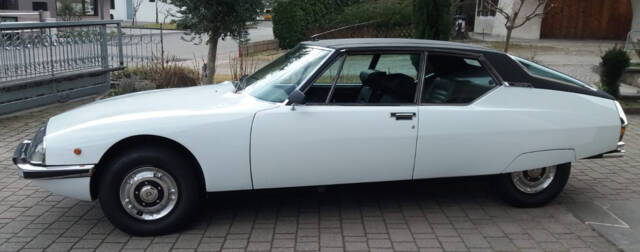
1973 | Citroën SM injection
Liebhaberfahrzeug - perfekter Zustand - unfallfrei

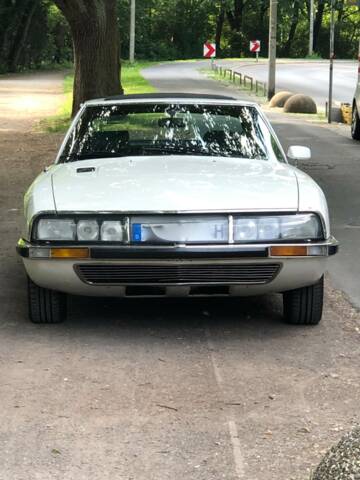
1971 | Citroën SM
Citroën SM 2.7 V6 – Klassiker mit Stil und Substanz – Baujahr 1971
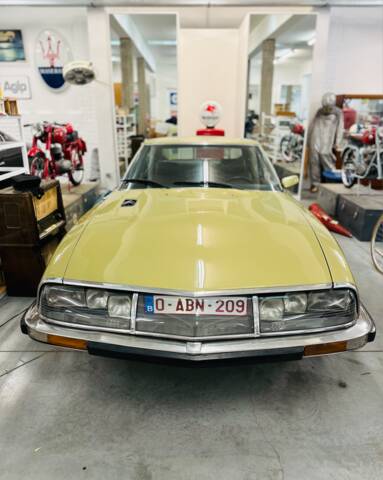
1974 | Citroën SM
+ continental edison Radio

Citroën SM Classic Cars: Prices & Market Values
The market value of Citroën SM classic cars is primarily determined by the specific manufacturer code and variant, as well as technical condition, originality and mileage. Additional factors include rarity, history and documentation. A well-maintained, largely original vehicle with low, verifiable mileage and complete history including appraisals and documentation typically achieves significantly higher prices than a comparable vehicle with deferred maintenance, many modifications or unclear provenance.
Citroën SM: Market Prices & Value Trends
Based on sales data from the Classic Trader marketplace, the Citroën SM market in Europe shows a broadly firm to gently rising trend over the period from early 2021 to January 2026, with more high-end examples appearing in recent months. Most Citroën SMs from 1971–1974 cluster in a realistic market band of roughly €35,000 to €85,000, reflecting the typical spread between usable drivers, well-sorted cars and higher-quality restorations. Below that, a small number of sub-€20,000 entries (often project-grade or unusually specified cars) should be treated as condition-led outliers rather than the norm. At the top end, rare coachbuilt or specialist conversions such as the SM “Waßmann” and Chapron variants can sit well into six figures (around €150,000–€175,000+), but these do not define everyday SM pricing. German and Dutch asking prices dominate the dataset, suggesting particularly active continental demand. Overall, the SM’s combination of hydropneumatic Citroën engineering and Maserati V6 appeal continues to support values, with fuel-injected cars often positioned towards the upper end of the mainstream range.
History of the Citroën SM
The Citroën SM emerged from Citroën’s ambition to redefine grand tourers, combining French engineering with Italian performance. After Citroën acquired Maserati in 1968, development began on a high-speed coupé that paired the proven hydropneumatic suspension of the DS with Maserati’s potent V6 engine. Design work began as early as 1961 under 'Project S,' seeking to create a sporting evolution of the DS. The SM debuted at the 1970 Geneva Motor Show with aerodynamic lines penned by Robert Opron and a chassis optimised for both comfort and dynamism. Though released against the backdrop of growing technical complexity and a looming oil crisis, it captured the attention of enthusiasts and cultural figures alike, with owners ranging from rock stars to royalty. Despite initial acclaim—placing third in the 1971 European Car of the Year and winning Motor Trend’s 1972 Car of the Year—the SM's complex technology and shifting market conditions saw production cease by 1975 after fewer than 13,000 were built.
Model History
The SM was designed as a high-speed successor to Citroën’s DS, directly inheriting its hydropneumatic platform but introducing notable mechanical upgrades. The first cars, coded C 114/1, featured a 2.7-litre Maserati V6 with 168–170 hp and triple Weber carbs. Later, the range expanded: C 114/3 for fuel injection and improved performance, and C 114/4 with a 3.0-litre engine, especially for export markets. The majority came with a 5-speed manual gearbox, with a 3-speed automatic (particularly in the US) offered later. Sales declined sharply after the 1973 oil crisis and Citroën’s bankruptcy; Peugeot halted SM production just as the model was gaining cult status. With nearly 13,000 built, the SM’s technical influence echoed in subsequent Citroën experiments but never truly found a direct successor.
Highlights and Special Features
The SM was a technological tour de force: its hydropneumatic suspension delivered unrivalled ride comfort and automatically adjusted for load. The Maserati V6, positioned longitudinally with a gearbox ahead of it, powered the front wheels—an unusual choice for such a powerful car of its era. Its DIRAVI speed-sensitive steering, self-centring and extremely direct, remains unique and a challenge even for experienced drivers. Up to six headlights (with steerable inner pairs for cornering, behind a signature curved Plexiglas cover) made the car safer and visually distinctive; owing to local laws, some export models featured open headlights. The dashboard was extravagantly styled, with oval Jaeger instruments and a single-spoke steering wheel. Factory options included air conditioning, electric windows, leather trim, and even a steel sliding roof.
Technical Data
Special Editions and Collectible Models
Rare coachbuilt cabriolet variants by Henri Chapron—which include just 7 factory-original convertibles—are the pinnacle of desirability, especially the presidential cars built for the French state. Special models were built for the French police and for presidential duties, including two cabriolets used during the Queen Elizabeth II state visit in 1972, still held by the French Republic. There was also a rally variant, which achieved a class win at the 1971 Rally du Maroc and a podium at the 1972 Rallye de Portugal. US-export models differ through emissions equipment, unique headlights, and a greater incidence of factory automatic gearboxes.
Weak Spots and Common Issues
Owing to its advanced design, the SM demands attentive maintenance. Weak spots include the electrical system, with many critical accessories routed via a single main relay—making windows or other powered features potential trouble points. The complex hydraulic system, while robust if serviced correctly, can be costly if neglected. Parts are usually available but some, especially trim or unique factory components, can command significant prices. In early production, the Maserati engine’s timing chains and tensioners are known issues if not properly serviced. The six-headlight assembly (especially the Plexiglas cover) can complicate European roadworthiness tests, but many countries now grant historical exemptions.
Engine and Performance, Transmission and Handling
The Citroën SM defines the concept of the high-speed grand tourer, achieving a blend of comfort and performance few contemporaries matched. The 2.7-litre V6 with triple Weber carburettors delivers 168–170 hp, while the later fuel-injected and 3-litre versions increase output to approximately 180–187 hp. Direct power is transmitted via front wheels—a technical feat at this performance level—yielding 0–100 km/h in about 8.2 seconds (factory figure) and top speeds exceeding 220 km/h. The ride is outstanding, with floaty yet surprisingly controlled handling courtesy of the hydropneumatic suspension and a very low roll center, further aided by the DIRAVI steering (only two turns lock-to-lock). Michelin XWX tyres in a bespoke size underline the car’s sophisticated dynamics. - C 114/1 (65% of listings): 2.7L, triple carburettor, 5-speed manual, most pure European SM experience
- C 114/3 (25%): Later injection models, better drivability and emission compliance
- C 114/4 (10%): 3.0L, usually automatic, US-market and rarest
Interior, Comfort, Exterior and Design
Robert Opron's aerodynamic styling gave the SM a teardrop profile, wide haunches, and tapering glasshouse—refined in the wind tunnel for a cW of just 0.339. Its distinctive front features up to six headlights behind a sweeping Plexiglas panel (except on US models). The car sits low, with a strikingly long nose and broad stance. Interiors are equally unconventional: deep, lounge-like leather seats (often in black, tan, or blue), oval Jaeger instruments, and an extravagant single-spoke steering wheel. Materials ranged from leather to velour, with high levels of standard kit: air conditioning, electric windows, central locking, and sometimes a steel sunroof. Original paint finishes included rare metallics such as Bleu Platine and Bleu d’Orient alongside classic Meije white and greys.
Other Notable Features
The SM was offered with rare factory extras such as a suitcase set, detachable tow bar, and bespoke steel sliding roof. Its dashboard ergonomics and instrument design are peculiar even by classic standards, with controls positioned for driver-centric use, eschewing traditional arrangements. Notably, Citroën sold the SM alongside the DS for a premium comparable to the likes of BMW 3.0 CS and Mercedes 350 SLC—intentionally placing it at the upper end of the market. All-wheel independent suspension and the combination of comfort, speed and unique technology remain unmatched in period.
Summary
The Citroën SM is a masterpiece of uncompromising technical ambition, renowned for its unique marriage of Maserati power and Citroën finesse. Its rarity, technical sophistication, and extravagant styling ensure its position as a true icon for classic car enthusiasts drawn to audacious engineering and avant-garde design.