Chevrolet Blazer Classic Cars for Sale
The Chevrolet Blazer stands out as a true American SUV, boasting a sturdy ladder-frame construction, powerful V6 and V8 engines, and both 2WD and 4WD configurations. Its blend of utility, comfort, and robust build quality appeals to both collectors and enthusiasts looking for adventure or a versatile classic. Explore the different generations and discover what makes each Blazer unique.
Search results
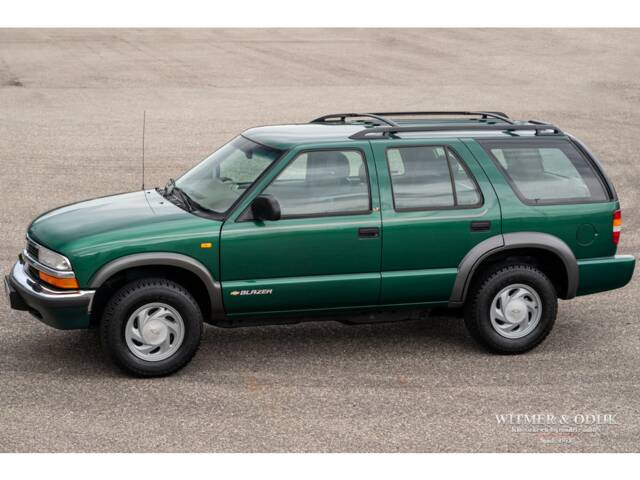
1999 | Chevrolet Blazer
Blijvend bijtellingsvriendelijk

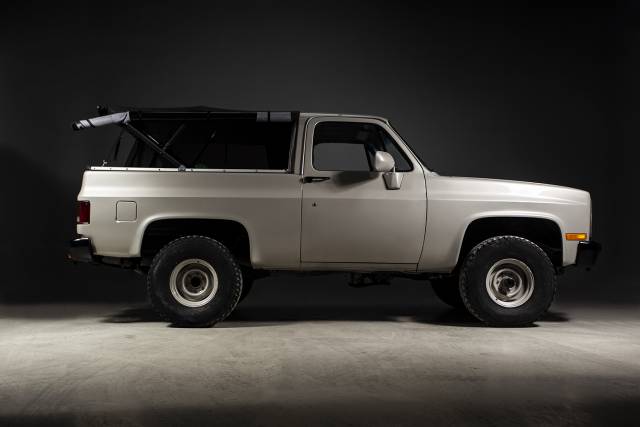
1984 | Chevrolet Blazer
CHEVROLET K5 BLAZER M 1009 of 1984

Chevrolet Blazer listing references from Classic Trader
Below you will find listings related to your search that are no longer available on Classic Trader. Use this information to gain insight into availability, value trends, and current pricing for a "Chevrolet Blazer" to make a more informed purchasing decision.
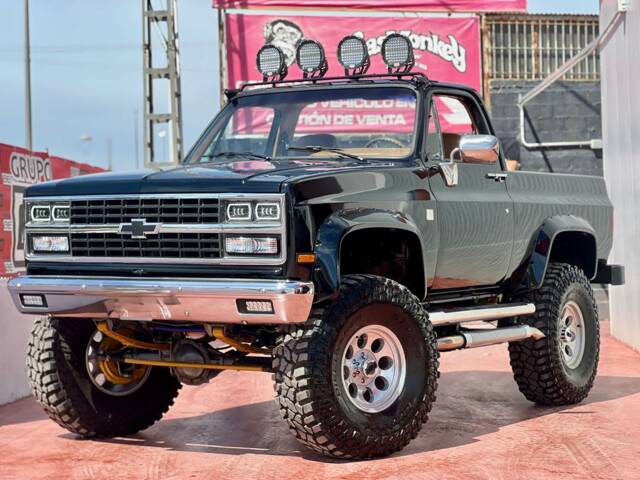
1982 | Chevrolet Blazer
Chevrolet Blazer | 1982 | Route 66 Auctions - For sale by auction. Estimate 35500 EUR
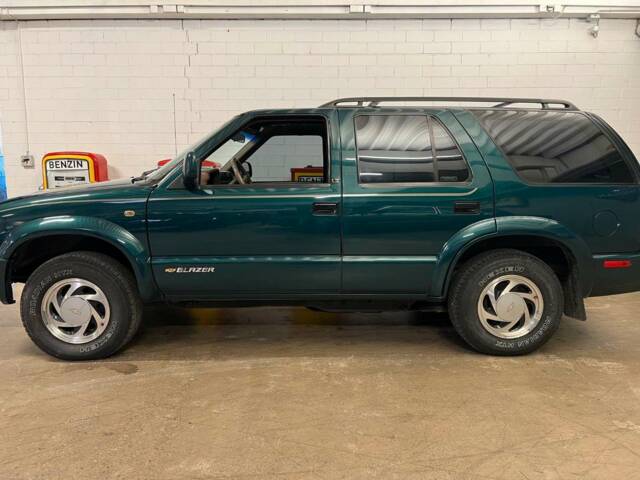
1997 | Chevrolet Blazer
Chevrolet Blazer

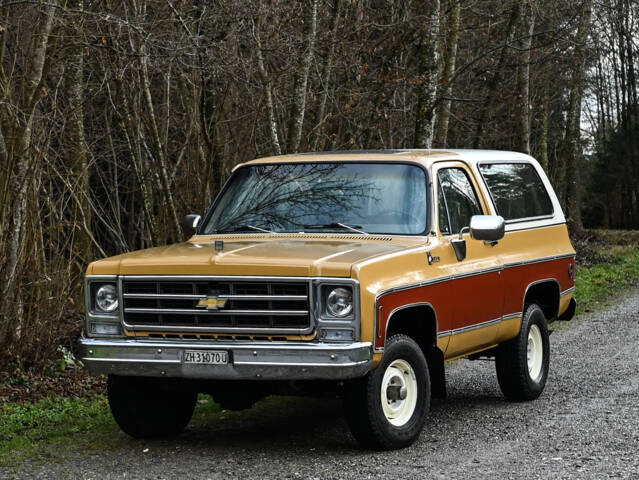
1980 | Chevrolet Blazer
Originales Schweizer Fahrzeug, 5.7 Liter V8, ab MFK

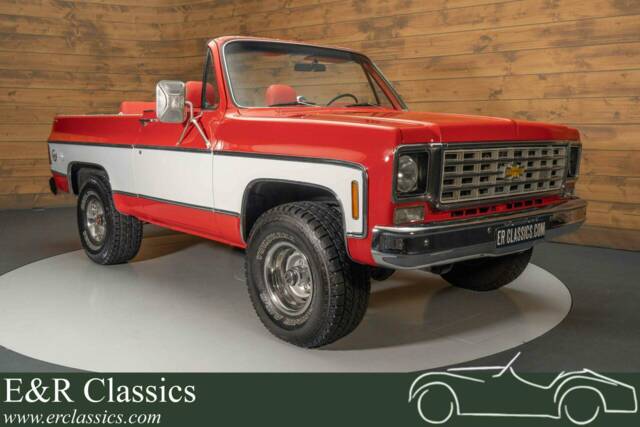
1975 | Chevrolet Blazer
Chevrolet Blazer K5 Cabriolet | 548 Gebouwd | 4X4 | 1975
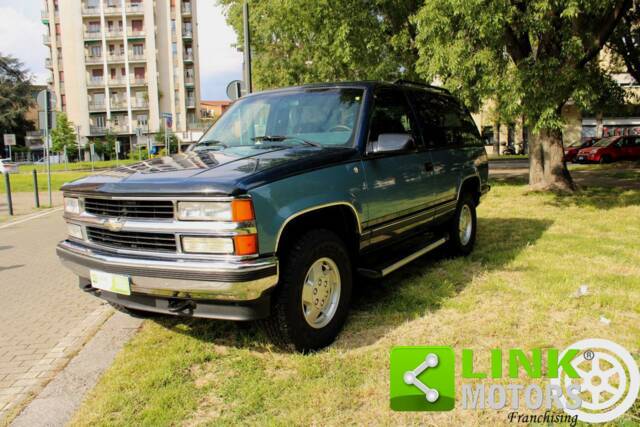
1994 | Chevrolet Blazer
CHEVROLET Blazer C1500 SILVERADO 5.7 239CV GPL ASI CRS

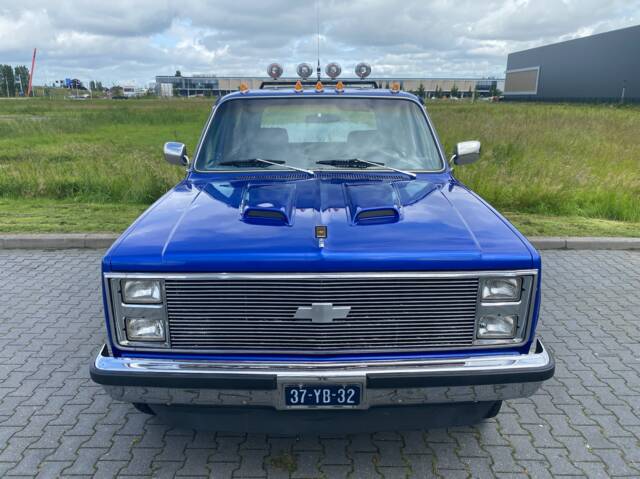
1975 | Chevrolet Blazer
Zeer nette Blazer K5 die onlangs APK steekproef heeft gehad.
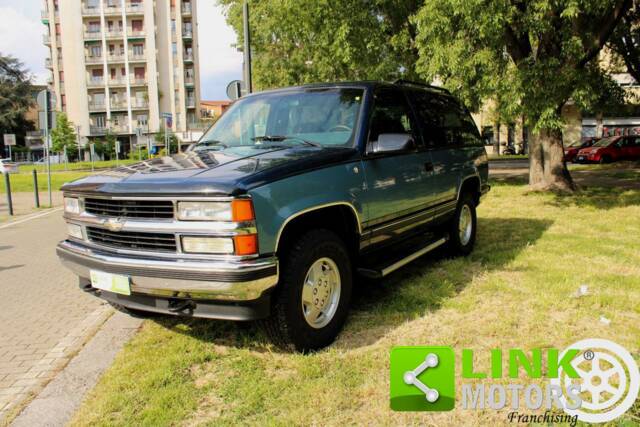
1994 | Chevrolet Blazer
CHEVROLET Blazer C1500 SILVERADO 5.7 239CV GPL ASI CRS
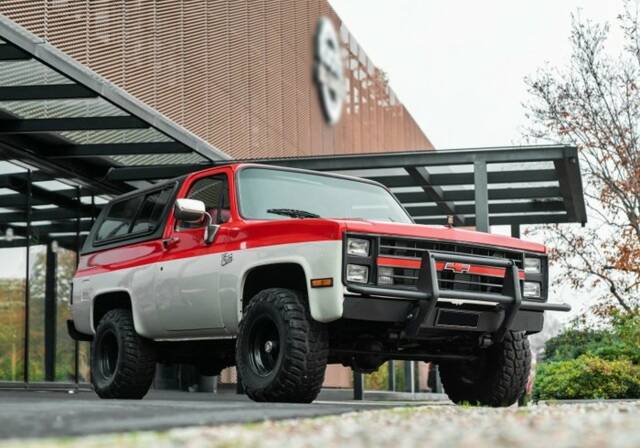
1987 | Chevrolet Blazer
Chevrolet - K5 Blazer Silverado - 1987
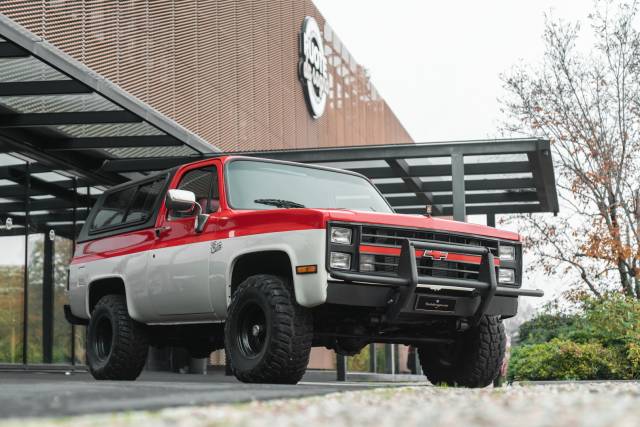
1987 | Chevrolet Blazer
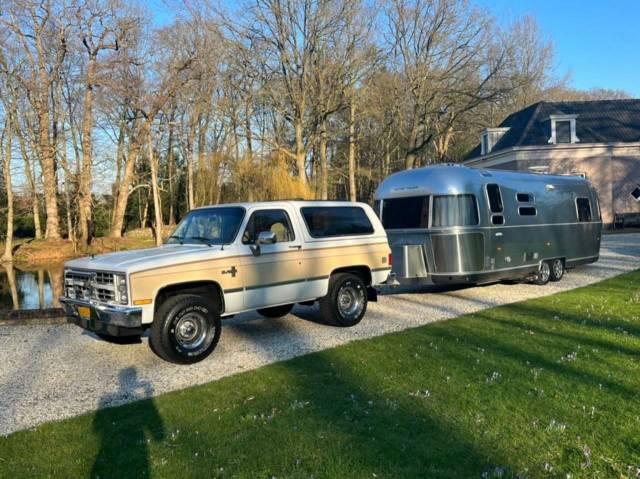
1986 | Chevrolet Blazer
Chevrolet Blazer 5.0 V8 4x4 K5 Silverado 1986 42.795mls ONGERESTAUR
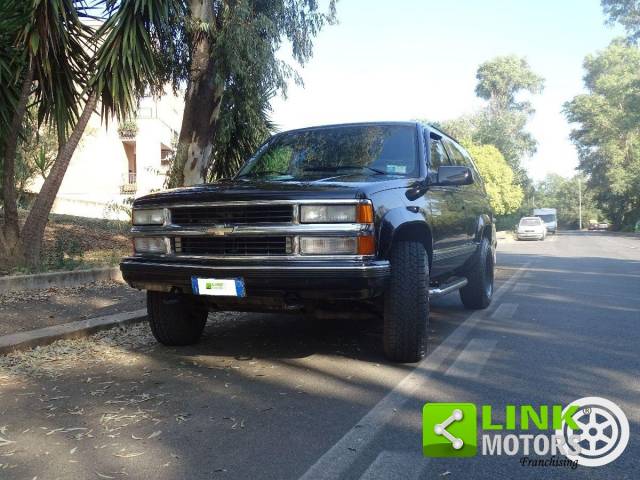
1993 | Chevrolet Blazer
CHEVROLET BLAZER ANNO 1993
Chevrolet Blazer Classic Cars: Prices & Market Values
The History of the Chevrolet Blazer
The Chevrolet Blazer traces its roots to 1969, launched as the K5 Blazer built on the tough C/K pickup chassis. Designed to compete with the International Harvester Scout and Ford Bronco, the K5 established Chevrolet’s presence in the emerging SUV segment. Early models were equipped solely with four-wheel drive until two-wheel drive versions appeared in 1970. Production of the K5 Blazer ran until 1995, evolving through multiple technical revisions. The Blazer lineage expanded over time: the compact and mid-size S-10 Blazer debuted in 1983, catering to customers seeking a more manageable SUV. The S-10 continued production until 2012. Other notable variants include the South American Grand Blazer (1990–2002) and, in recent years, the Blazer crossover and Blazer EV, showing the nameplate’s ongoing relevance.
Model History
The Blazer line began with the K5 Blazer, a full-size SUV based on Chevrolet’s C/K pickup. The K5 featured several updates over three generations (1969–1995), including significant changes in body style, drivetrain options, and interior comfort. In 1983, Chevrolet introduced the S-10 Blazer, a compact SUV based on the S-10 pickup, which ran alongside the K5 until its discontinuation. After the K5, the Tahoe succeeded the full-size Blazer. Variants like the Grand Blazer adapted the formula for Latin American markets. Today, the Blazer name continues with modern SUVs and fully electric models, reflecting changes in buyer demand and technology.
Highlights and Distinctive Features
Chevrolet Blazer models are known for their impressive ruggedness—strong ladder-frame chassis, dependable 4WD capability, and a range of powerful engines (250 and 292 straight-sixes; 307 and 350 V8s; later 4.3L V6s). Their interiors often feature comfort options unusual for American SUVs of their era: leather seats, air conditioning, cruise control, electric windows, and, in some versions, configurable seating for up to seven passengers. Classic Blazers stand out for their versatility: foldable rear seats for camping, generous cargo space, available sunroofs, and their suitability for towing or winter conditions. The Blazer’s distinct body shape and masculine design language also make it easily recognisable among American classics.
Technical Data
Special Editions and Collectible Models
Notable Blazer special editions include the limited Grand Blazer for South American markets, and the S-10’s top-of-the-range trims, which offered enhanced interior luxury and technology. In some markets, convertible versions and unique colour or trim packages—such as metallic silver, gold, or unique blue—add rarity. In the UK, right-hand drive versions catered specifically to local demand. In Venezuela, the Grand Blazer Z71 offered specialised off-road configurations.
Weak Spots and Common Issues
A classic Blazer’s robust construction makes it durable, yet age-related wear on chassis components, rust (particularly on the frame and underbody), and drivetrain seals are common checks for buyers. Regular inspection of the four-wheel drive system, suspension, and electronics (such as window lift motors or locking differentials) is essential. Service parts are widely available, and documentation for typical repairs is generally accessible. Older models may need attention to cooling systems and, if fitted, the automatic transmission.
Engine, Transmission & Handling
Early Blazers impress with reliable torque from large-displacement inline six and V8 engines, mated to manual or automatic transmissions. Four-wheel drive systems with selectable modes (Hi, Low, AWD, 2WD) ensure suitability for off-road use. Braking is secure thanks to ABS in later models, and options like traction control or stability programs improve safety. Despite their size, Blazers can accelerate to 100 km/h in around 10 seconds and reach speeds up to 160 km/h, while still offering towing potential and generous cargo space. Later S-10 models, with smaller V6s, provide more efficient yet still capable performance, especially in urban and suburban environments. - K5 Blazer (1969–1995): Classic two-door body, full-size, popular for collectors and off-road enthusiasts
- S-10 Blazer (1983–2012): Compact dimensions, family-friendly features, good economy for its segment
- Grand Blazer (South America): Notable for unique configurations in Latin American markets
Interior, Comfort, Exterior and Design
The Blazer’s design is defined by classic angular American SUV styling, pronounced wheel arches, and commanding road presence. Notable features include full or partial convertibles, sunroof options, and extensive use of chrome on bumpers and trim. Interior appointments vary by trim, with leather seating, adjustable steering columns, air conditioning, and advanced electrical options (power windows, heated seats, central locking). Accessories such as tow hooks, roof rails, and alloy wheels were frequent upgrades. Paint schemes include bold metallic and deep blue finishes. Later generations feature more rounded aerodynamics and improved materials. Many classics are further enhanced through aftermarket facelifts, modern infotainment, and suspension modifications.
Other Relevant Features
Owing to its status as a classic, certain Blazers qualify for tax benefits or relaxed technical inspections in some countries. The car’s US roots mean both LHD and RHD examples exist, the latter particularly for the UK. With their large cargo area and robust mechanical base, Blazers are often adapted for camping or glamping. The range of aftermarket accessories—from snow chains and winter tyres to extensive tuning options—further extends its utility.
Summary
The Chevrolet Blazer series offers an unrivalled mix of practicality, robust mechanics, and distinctive American styling. Whether as the rugged full-size K5 or the versatile S-10, these vehicles have left their mark on SUV history. Their strong collector appeal is reflected in high demand, especially for K5 models. Wide availability of parts, multiple drivetrain options, and the ability to adapt for different uses make the Blazer a stand-out choice for classic SUV enthusiasts.