- Oldtimer
- Rolls-Royce
- Rolls-Royce 20/25 HP (19 aanbiedingen)
Rolls-Royce 20/25 HP classic cars for sale
The Rolls-Royce 20/25 HP, built from 1929 to 1936, stands as the most successful Rolls-Royce model of the pre-war era. Its chassis-only delivery system enabled bespoke coachwork, resulting in a diverse array of unique bodystyles by renowned coachbuilders such as Mulliner and Park Ward. With over 3,800 examples produced, this six-cylinder model not only elevated driving comfort but also contributed to the company’s survival during economic hardship. Its engineering, versatility, and enduring build quality still impress on today’s roads.
Zoekresultaten
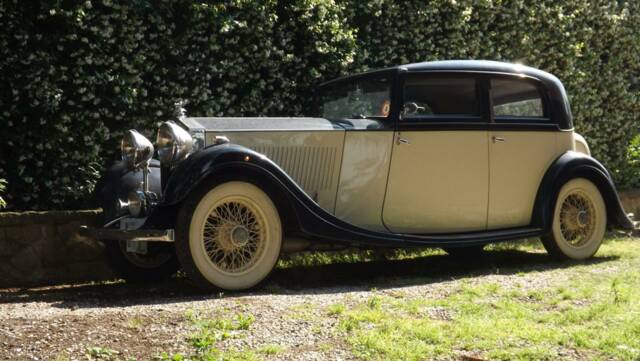
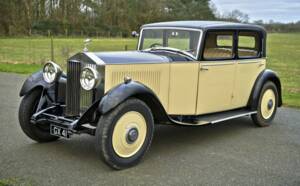
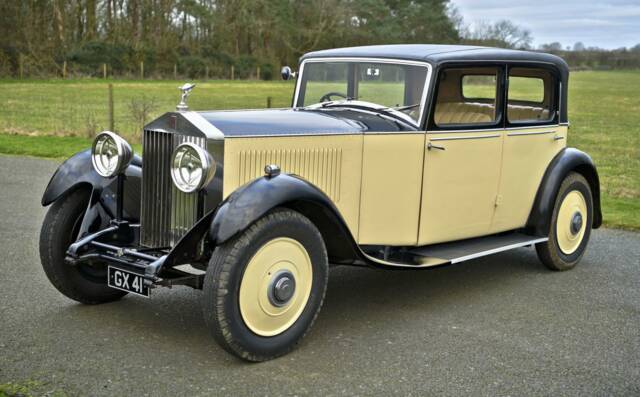
1933 | Rolls-Royce 20/25 HP
2025-11-11 15:15:14 | Rolls-Royce SALOON 20/25 CARROZZERIA HOOPER & CO. Ltd.
Auctions ending soon

Loading…
Loading…
Loading…
Loading…
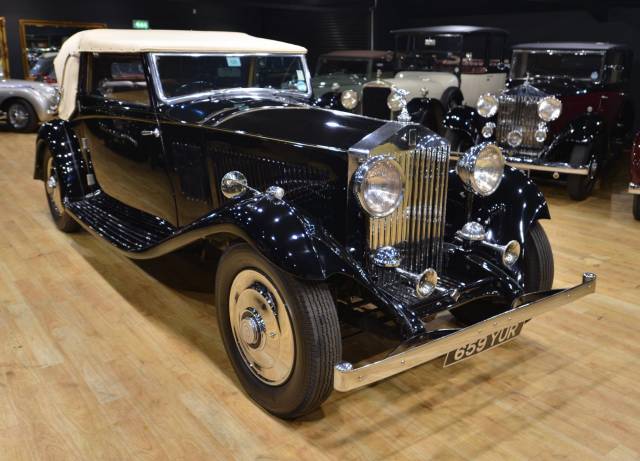
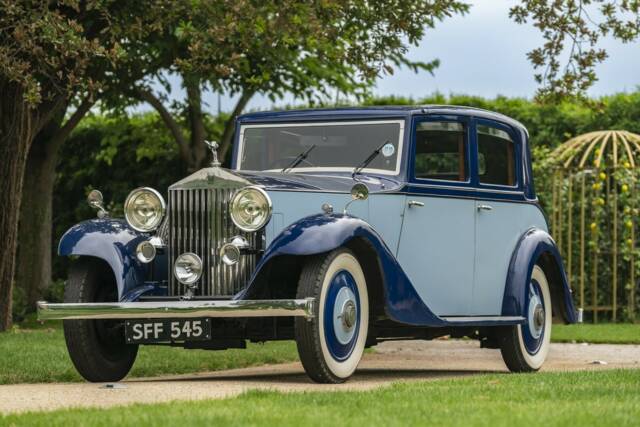
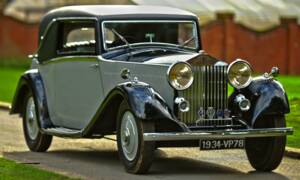
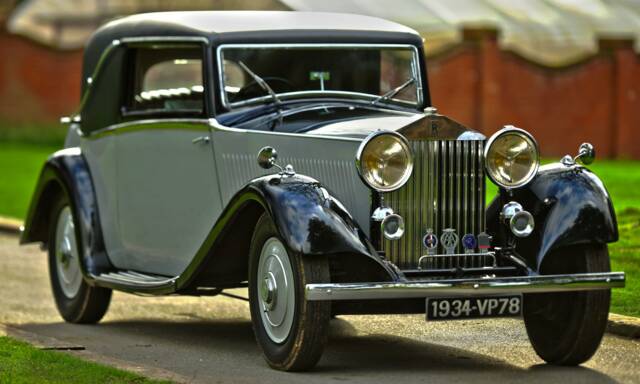
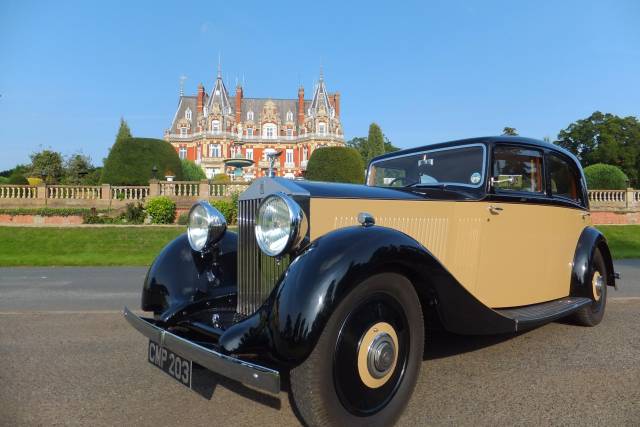
1934 | Rolls-Royce 20/25 HP
Gurney Nutting Owen Sedanca
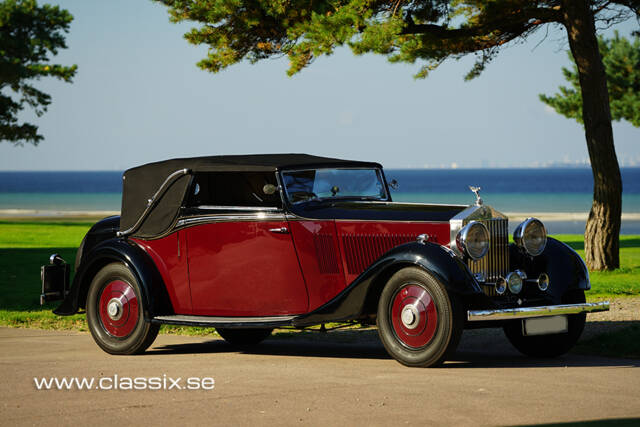
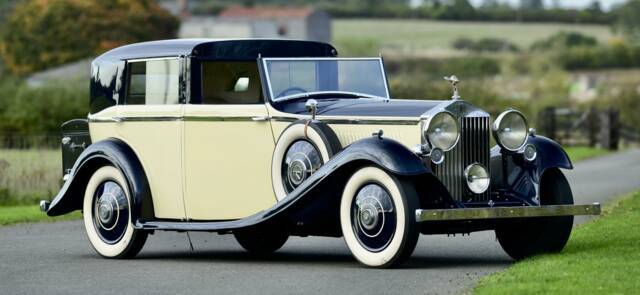
1933 | Rolls-Royce 20/25 HP
3 Position Drop Head by Thrupp & Maberly overdrive
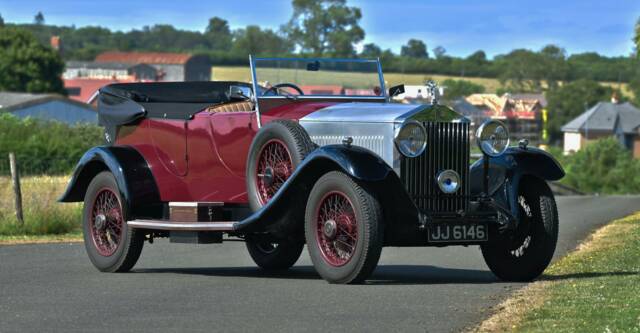
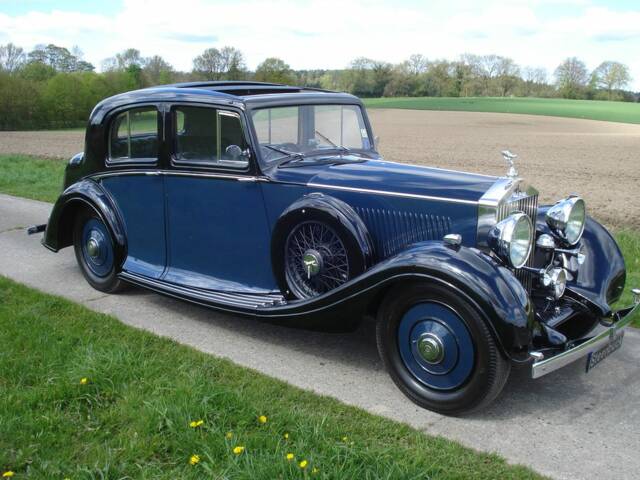
1935 | Rolls-Royce 20/25 HP
Sliding roof, 3rd an 4th gear synchronised, adjustable rear axle
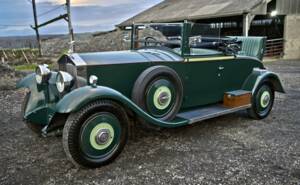
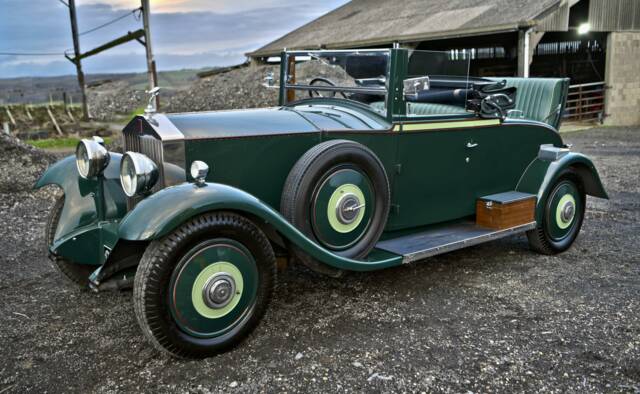
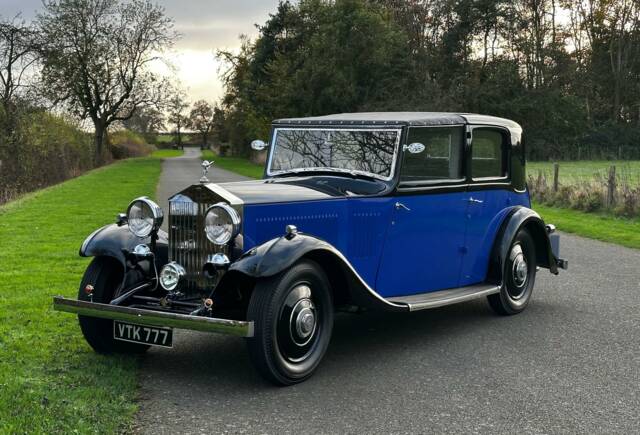
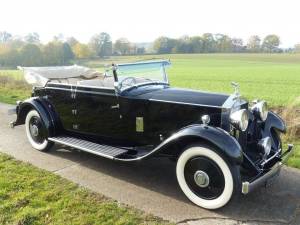
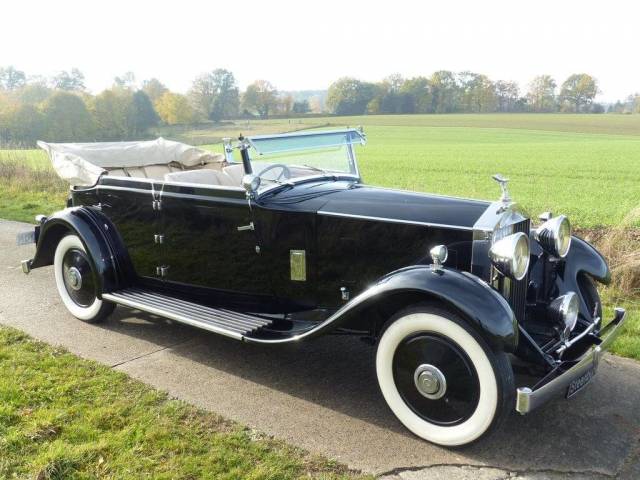
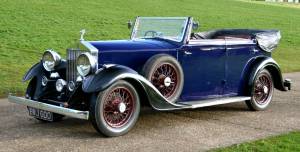
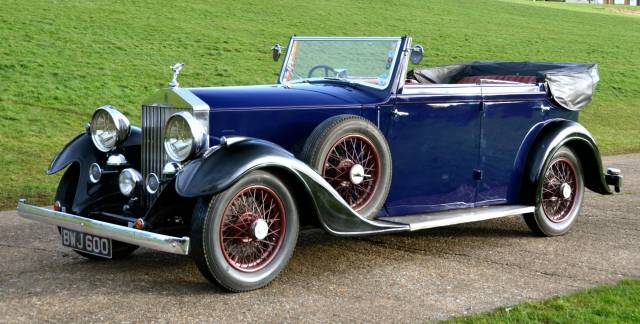
1932 | Rolls-Royce 20/25 HP
HIgh quality unique piece as All-Weather Cabriolet
History of the Rolls-Royce 20/25 HP
Launched at the Olympia Motor Show in 1929, the Rolls-Royce 20/25 HP was designed to address the growing market of owner-drivers seeking both luxury and drivability. As the successor of the 20 HP (produced 1922–1929), the 20/25 HP offered improvements in performance, comfort, and technology. While chassis and mechanicals were exclusively built at the Rolls-Royce works, famed British and Continental coachbuilders—Park Ward, Thrupp & Maberly, Hooper, Mulliner, among others—created custom bodies for discerning clients.
A total of 3,827 chassis were produced before the series ended in 1936, replaced then by the 25/30 HP. The model’s popularity during the economically challenging interwar years played a decisive role in keeping Rolls-Royce afloat. The flexibility of the model meant that many vehicles were adapted for chauffeur-driven luxury or for owners who preferred to drive themselves. Today, the 20/25 HP is well-documented in marque literature and historical publications.
Model History
The 20/25 HP succeeded the Rolls-Royce 20 HP, offering increased engine displacement and improved features while retaining a six-cylinder configuration. The 25/30 HP followed in 1936 with further advancements. The coach-built philosophy meant that each example carries its own unique story, with body styles ranging from saloon and limousine to drophead coupé, tourer, and highly individualized one-offs.
Highlights of the Rolls-Royce 20/25 HP
• Built from 1929 to 1936, becoming Rolls-Royce's pre-war bestseller • Designed for both owner-drivers and clients using chauffeurs • Supplied as a rolling chassis—bodywork was provided by prestigious coachbuilders • Offered in a wide spectrum of body styles and bespoke variations • Known for luxurious details and advanced features like thermostatic radiator shutters, servo-assisted drum brakes, and centralised chassis lubrication • Highly regarded for quiet operation, ease of use, and long-distance reliability • Many examples survive in concours condition with original documentation and unique provenance • Frequently seen at marque meets and classic events
Technical Data
Special Editions and Collectibles
Due to the chassis-only delivery method, nearly every 20/25 HP is a unique creation. Some coachbuilders produced highly limited bodies or competition-oriented designs, and a few chassis are associated with high-profile owners or notable film appearances. Special accessories included period-correct tool kits, patented headlamp systems, custom luggage, and elaborate interior fittings tailored to each owner’s tastes.
Engine and Performance, Transmission and Handling
The 20/25 HP’s larger six-cylinder engine gave it noticeably stronger performance over its predecessor, delivering smoother acceleration and the ability to cruise at highway speeds (up to 121 km/h depending on body weight). The four-speed manual transmission, later with synchronisation on upper gears, ensured straightforward gear changes even for owner-drivers. Chassis balance, adjustable rear dampers, and servo-assisted brakes offered excellent comfort and reliable stopping power for the era. Many cars have been retrofitted with overdrive—a popular modern update for long-range touring. Notable examples include coachbuilt saloons by Park Ward, one-off drophead coupés by Hooper, and rarities like tourers from Gurney Nutting. These stand out for their preserved originality, technical upgrades, or documented competition history.
Interior, Comfort and Exterior Design
The 20/25 HP provided a highly refined and comfortable experience, with interiors customised to owner preferences—ranging from fine woods and leather to bespoke cabinetry, Jaeger clocks, and touring tables. Exterior paintwork and materials varied widely, with special colours and trim schemes applied by leading coachbuilders. Period features such as roof windows, privacy glass, fold-out seating, and elaborate tool storage were commonplace. Elegantly proportioned radiator shells with vertical louvres, differentiated body styles and remarkable bespoke elements defined the visual presence of each car.
Other Noteworthy Features
Matching chassis and engine numbers are crucial for verifying originality. Documentation—original purchase papers, coachbuilder records and service history—significantly influences collectability. Most 20/25 HP examples benefit from strong parts support today, with specialist suppliers and clubs catering to both running maintenance and full restorations.
Summary
With its broad model range, high-quality engineering and custom coachwork, the Rolls-Royce 20/25 HP bridges the gap between effortless driveability and bespoke luxury. It remains the most represented Rolls-Royce model among pre-war classic cars on the market, consistently sought-after for its combination of British engineering, distinctive coachbuilt design, and enduring usability on modern roads.