Opel Olympia Classic Cars for Sale
The Opel Olympia remains a stand-out for its technical innovations, practical reliability, and striking variety – from the pioneering monocoque body of the pre-war years to post-war Caravans and luxury editions. Today, Olympia models are favourites among classic car enthusiasts due to their robustness, supply of spare parts, and diverse body styles including limousines and rare cabrios.
Search results
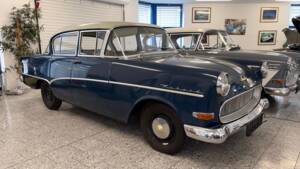
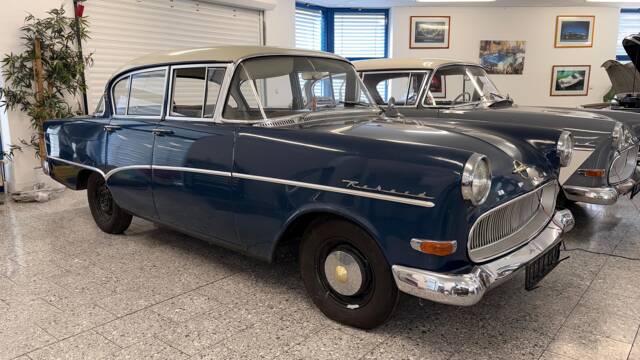
1959 | Opel Olympia Rekord
Opel Olympia Rekord P1 + viele Originaldokumente

Opel Olympia listing references from Classic Trader
Below you will find listings related to your search that are no longer available on Classic Trader. Use this information to gain insight into availability, value trends, and current pricing for a "Opel Olympia" to make a more informed purchasing decision.
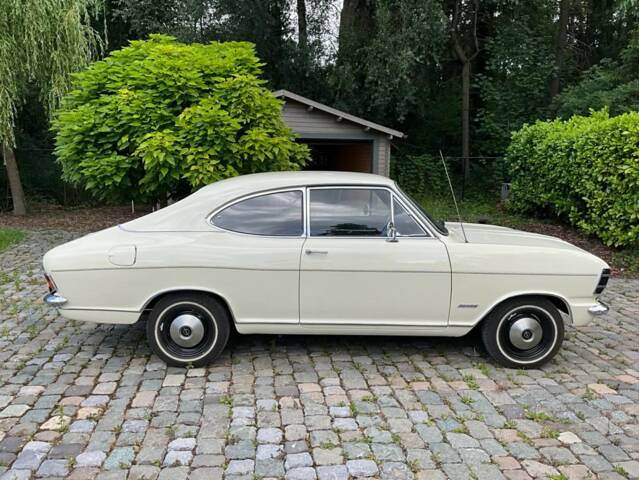
1970 | Opel Olympia 1100 SR

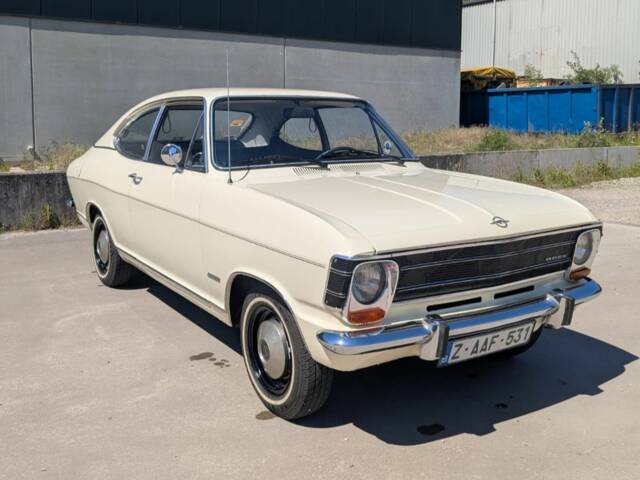
1970 | Opel Olympia 1100 SR
Opel Olympia A 1100 S Coupe | 1970 | Route 66 Auctions - For sale by auction. Estimate 8500 EUR

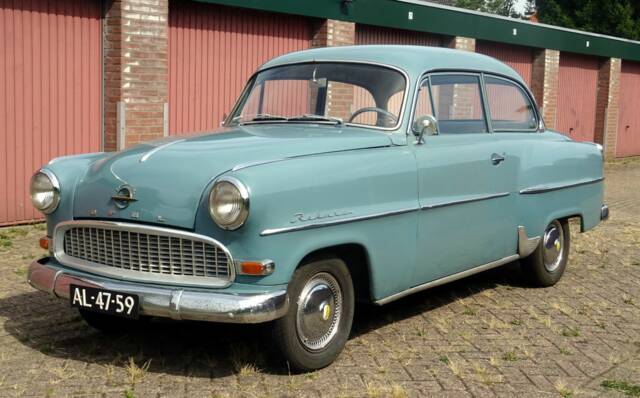
1956 | Opel Olympia Rekord
Opel Rekord | 1956 | Route 66 Auctions - For sale by auction. Estimate 4500 EUR
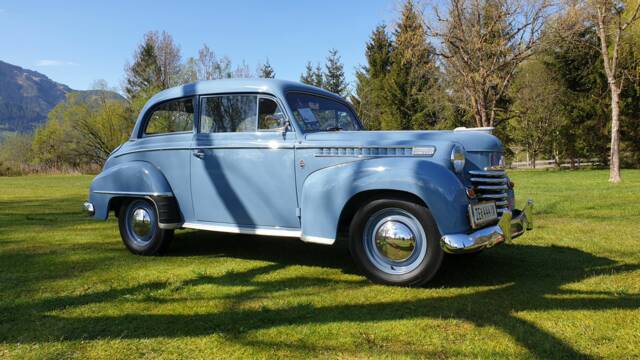
1952 | Opel Olympia
Opel Olympia 51 | 1952 | Route 66 Auctions - For sale by auction. Estimate 7500 EUR
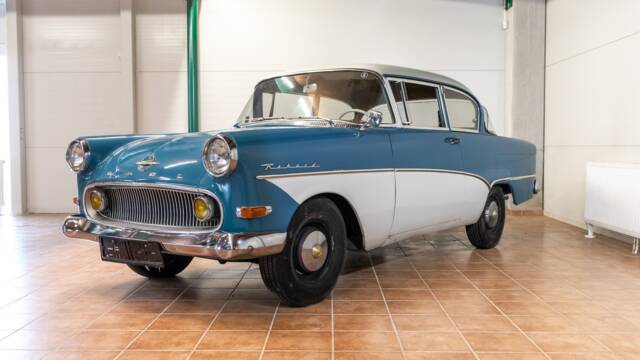
1958 | Opel Olympia Rekord
Style-defining mid-size saloon from the late 1950s

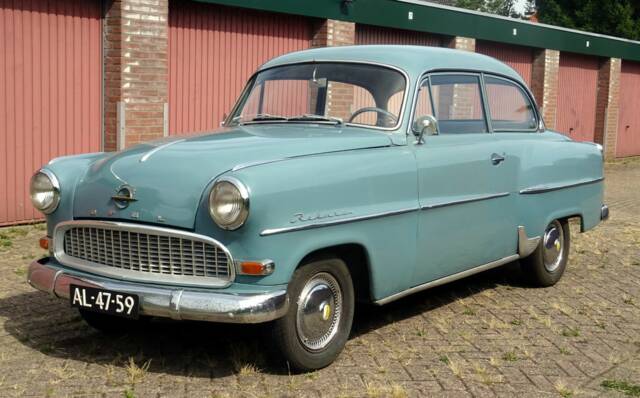
1956 | Opel Olympia Rekord
Opel Rekord | 1956 | Route 66 Auctions - For sale by auction. Estimate 7500 EUR
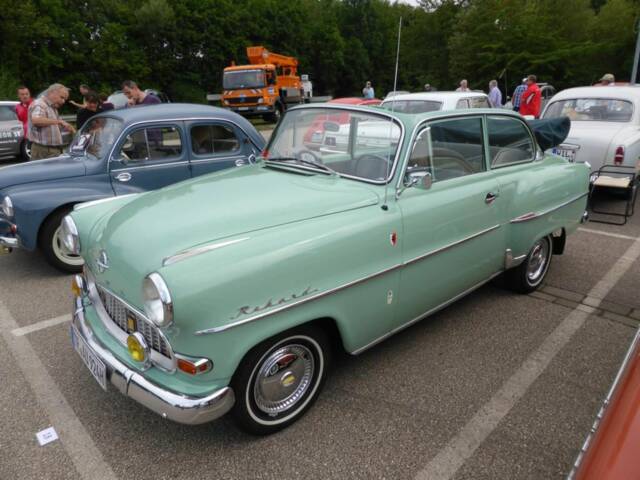
1956 | Opel Olympia Rekord
Opel Rekord Olympia Cabriolet | 1956 | Route 66 Auctions - For sale by auction. Estimate 10500 EUR
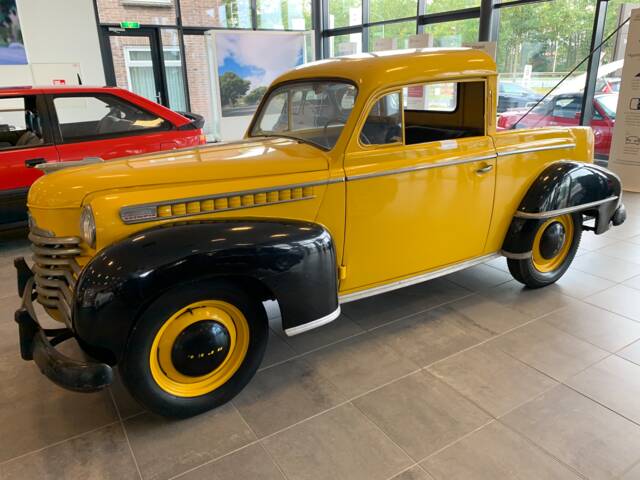
1951 | Opel Olympia
Opel Olympia Pick Up
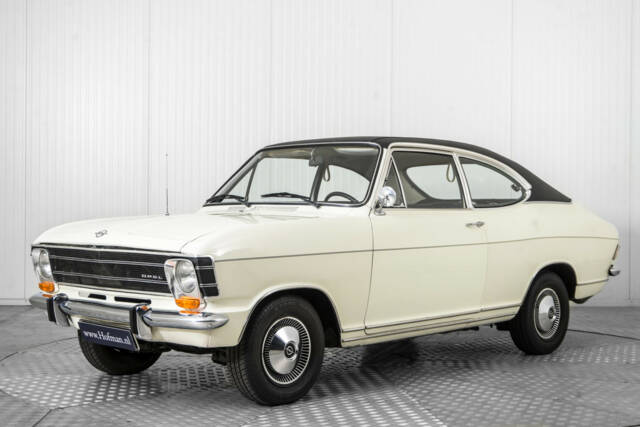
1968 | Opel Olympia 1700 S
Opel OLYMPIA Coupe
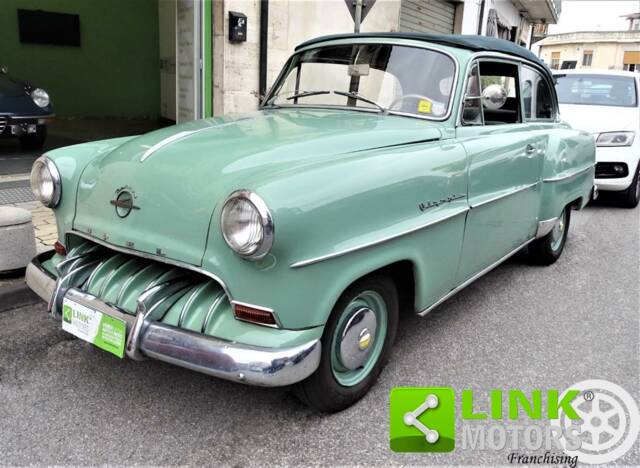
1954 | Opel Olympia Rekord
OPEL Rekord Olympia - 1500 Cabriolet

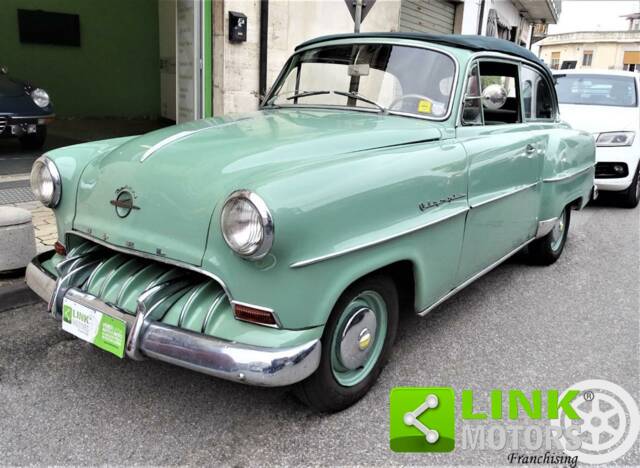
1954 | Opel Olympia Rekord
OPEL Rekord Olympia - 1500 Cabriolet
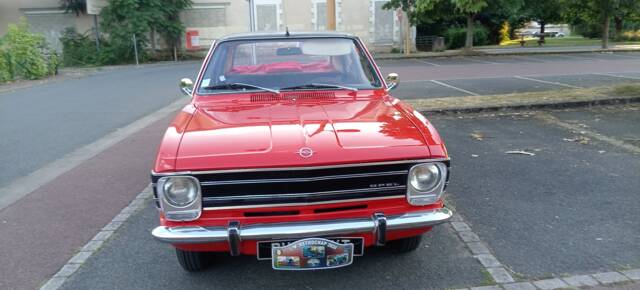
1968 | Opel Olympia 1100 SR
OPEL OLYMPIA A 8 1100 SR SEDAN AVEC TOIT VINYLE

Opel Olympia Classic Cars: Prices & Market Values
The market value of Opel Olympia classic cars is primarily determined by the specific manufacturer code and variant, as well as technical condition, originality and mileage. Additional factors include rarity, history and documentation. A well-maintained, largely original vehicle with low, verifiable mileage and complete history including appraisals and documentation typically achieves significantly higher prices than a comparable vehicle with deferred maintenance, many modifications or unclear provenance.
Opel Olympia: Market Prices & Value Trends
Based on Classic Trader marketplace sales data from February 2021 to January 2026, the Opel Olympia market in Europe looks broadly stable, with a wide spread that reflects big differences in model year, body style and restoration quality. Most observed prices for 1950s Opel Olympia and Olympia Rekord saloons cluster in the mid market, typically around £9,500 to £20,000, while well-presented 1960s cars such as the Olympia 1100 SR and 1700 S often sit in a similar band, roughly £11,000 to £16,000. A small number of higher-price examples (including a French 1968 1100 SR at around £30,000 and Swiss/German premium Rekord offerings) suggest that top-condition, well-documented cars can command more, but these should be treated as exception cases rather than the norm. At the other end, a handful of very low figures (notably a UK car at about £1,500 and a Dutch entry under £1,000) indicate project cars or incomplete data and are not representative. Overall, current pricing suggests steady demand for usable classics, supported by the Olympia’s post-war provenance and increasing interest in period-correct, practical German family cars.
History of the Opel Olympia
Introduced in 1935, the Opel Olympia marked a turning point in German automotive history as one of the first mass-production cars with a unitary body structure. Its name paid tribute to the 1936 Olympic Games in Berlin. Not only did the Olympia push technical boundaries, but it also made motoring more accessible to a broad range of drivers. Production paused during WWII but resumed in 1947 with the pre-war design slightly updated. The Olympia eventually set the stage for Opel’s postwar success, serving as the company’s restart model after the war. Continuous innovation kept it relevant through changes in body style, technology and interior comfort until it was replaced by the Opel Rekord in 1953.
Model History
The initial Olympia (1935-1940) offered a two-door saloon or cabrio-limousine, powered by 1.3L and later 1.5L four-cylinder engines. After the war, the Olympia returned largely unchanged but gained an improved front suspension in 1947. In 1953, the Olympia Rekord took over the name and carried it through new generations, leading to a completely redesigned car with the 'Ponton' body in the 1950s. From 1967 to 1970, Opel revived the Olympia badge for the Olympia A: a model based on the Kadett B but positioned higher with a more luxurious interior and stronger engines, bridging the gap to the Rekord. Body styles through the years included limousines, Caravan (estate), coupé, and cabrio-limousine.
Highlights and Market Presence
From its early use of a self-supporting steel body – which trimmed weight and improved safety – to the switch to hydraulic brakes and later luxurious interior trims in the Olympia A, the Olympia consistently stood out for practical innovation. Key highlights include: robust build, durable engineering, a model range with up to five seaters, multiple body formats including rare factory cabrios and Caravans, plus unique design features like the “shark mouth” front on 1950s models and tasteful interior fabrics. Even today, the Olympia stands out for its robust build quality and enduring charm.
In terms of current availability, Olympia listings account for 36.4% of demand and 29% of supply among classic Opel listings on the market, underscoring continued collector and enthusiast interest. The Olympia Rekord makes up the largest share, with Olympia A and early OL 38 models being rarer yet sought-after highlights.
Technical Data
Special Editions and Collectible Models
Cabrio and cabrio-limousine versions are especially rare, being produced in small numbers from the late 1930s through the early 1950s. The Olympia A Luxus, offered between 1967 and 1970, included unique chrome trim, premium upholstery, and external extras. Caravans (estate cars) and Olympia Rekord models with special badges or Solex twin carburettor engines are prized among collectors, as are export versions and cars with period accessories like original whitewall tyres, special paint colours (like Cedar Green), or period-correct vinyl roofs.
Weak Spots and Common Issues
While the Olympia is known for its durability, certain components require careful inspection. Vinyl roofs, introduced on some late 1950s and 1960s models, can trap moisture and cause rust if neglected. Prewar units are especially prone to corrosion on steel panels and sills due to their age. Interior trimmings (particularly vinyl and older fabrics) may deteriorate or need restoration. Mechanical spares, however, remain widely available thanks to the Olympia’s popularity and dedicated collector network. Regular attention to brakes, suspension bushings, and rustproofing ensures longevity.
Engine, Performance, Transmission and Handling
Olympia models suit drivers who appreciate straightforward mechanics and comfortable, easy cruising. Pre-war and early post-war models (1.3L/1.5L, 24–37 hp) produce a stately, relaxed drive and offer impressive stability for their era, with a low centre of gravity thanks to the monocoque body. Hydraulic brakes, introduced from 1937, marked a significant advance in safety. Mid-1950s Olympias with the 1.5L four-cylinder engines reach 122 km/h, pulling cleanly with rear-wheel drive and straightforward manual gearboxes. Later Olympia A (1967-70) models, equipped with up to 90 PS engines, provide greater highway refinement and are particularly enjoyable in coupe format. Handling is described as calm and predictable – perfect for period touring. - Olympia Rekord: roomy 'Ponton' body, 1.5L engine, versatile loadspace in Caravan models
- Olympia A: upgraded interior, up to 90 PS engines (rare 1.9L, 90 PS in coupe), luxury trim
- OL 38: pre-war technical advancements with hydraulic brakes and improved gearboxes
Interior, Comfort, Exterior and Design
Olympia’s design changed dramatically across its lifetime. Early models retained classic shapes with subtle curves and relatively simple trims. Post-war Ponton body Olympias (1950s) feature the hallmark 'shark mouth' grille, chrome trim, and two-/four-door formats. Interiors were functional but robust, often with period fabrics, vinyl or even artificial leather. Olympia A models gained chrome accents, two-tone paint options, plus more luxurious appointments borrowed from higher-class Kadetts. Common accessories include period-correct instrument clusters with unique colour coding, whitewall tyres, elaborate hubcaps, and artful dashboard clocks. Caravan and coupe variants increase versatility and visual distinction. Vinyl roofs – period correct but restoration-intensive – and stylish, original paint options round out the Olympia’s varied design palette.
Other Relevant Features
Olympia vehicles stand out for their adaptability: many were exported, resulting in a wide variety of original documents and rare accessories from markets such as Portugal, Switzerland, and the Netherlands. H-registration plates are viable due to the cars’ preservation and age. Enthusiasts value the Olympia for its straightforward maintenance, accessible spare parts, and the frequent presence of original paperwork and service books. Original details such as Solex twin carburettors, whitewall tyres, and special trim elements make finding a well-documented car especially rewarding.
Summary
The Opel Olympia established itself as a technical trendsetter and practical everyday car, surviving through pre-war innovation and post-war resilience. Its broad selection of body styles, robust engineering, and continuously evolving design each bring their own appeal to enthusiasts and collectors. With strong demand and good supply, the Olympia remains a highly accessible and rewarding entry into classic German motoring.