- Car
- Alfa Romeo
- Alfa Romeo Dauphine (1 offer)
Alfa Romeo Dauphine classic cars for sale
The Alfa Romeo Dauphine stands out as an Italian-built iteration of Renault's compact sedan, bringing together French ingenuity and Alfa Romeo's own distinct flair. Manufactured between 1959 and 1964 in Portello, Milan, these rear-engined four-door cars are now rare finds on the classic car market, particularly in their 12-volt electrical specification and much-admired Italian body finishes.
Search results
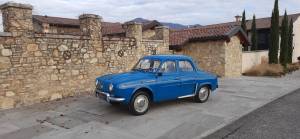
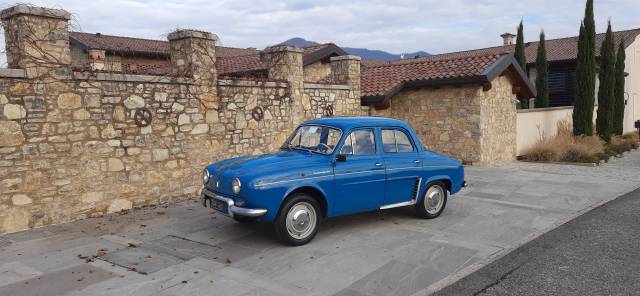
1959 | Alfa Romeo Dauphine R 1090
SOLO 34.040 Km! - LA PIU' ECONOMICA ALFA ROMEO
Alfa Romeo Dauphine listing references from Classic Trader
Below you will find listings related to your search that are no longer available on Classic Trader. Use this information to gain insight into availability, value trends, and current pricing for a "Alfa Romeo Dauphine" to make a more informed purchasing decision.
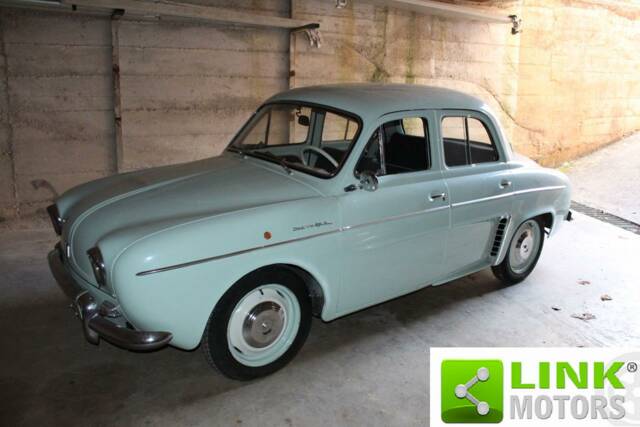
1960 | Alfa Romeo Dauphine Rallye 1093
ALFA ROMEO DAUPHINE 1960
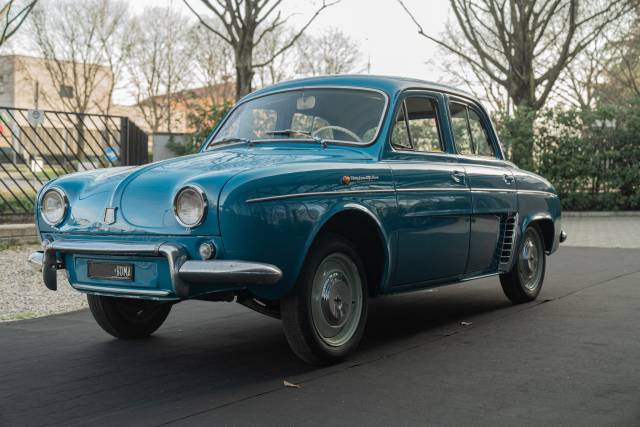
1961 | Alfa Romeo Dauphine Gordini
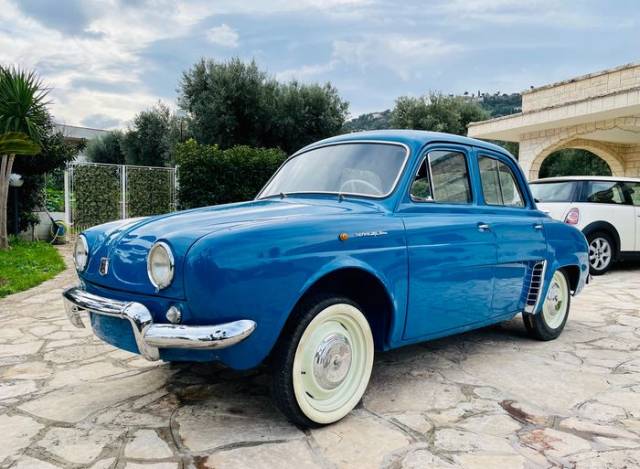
1961 | Alfa Romeo Dauphine Rallye 1093
History of the Alfa Romeo Dauphine
Development of the Dauphine began in 1949 as a response to Europe's demand for an accessible, practical family car with small displacement and efficient packaging. Originally crafted by Renault, the model was introduced to the public in 1956 as a successor to the Renault 4CV. What makes the Alfa Romeo Dauphine unique is its production under license at Alfa Romeo's Portello plant in Milan, beginning in 1959. Alfa Romeo applied their own manufacturing standards—switching to a 12-volt electrical system and modifying the lighting arrangement—offering Italian buyers a car with recognisable French roots but tailored for Italian tastes. Its production continued until 1964 in Italy, three years before the French original ceased production.
Model History of the Alfa Romeo Dauphine
The Alfa Romeo Dauphine's lineage ties to the Renault 4CV and the larger Frégate, but Alfa Romeo's version adopted subtle changes beyond badging. Alfa Romeo began its Dauphine production in 1959, positioning it as a practical alternative in the Italian small car market segment. Its direct competitors at the time were the Fiat 600 and 1100. The Dauphine notably featured an 845cc inline-four engine, later expanding with versions such as the R1090 and the more powerful R1093. Convertible versions, rare for the segment, also offered an appealing alternative. Alfa Romeo ended production of the Dauphine in 1964, while Renault continued until 1967.
Highlights of the Alfa Romeo Dauphine
Compared to its contemporaries, the Alfa Romeo Dauphine stood out due to its rear-engine layout, 12-volt electrics (an improvement over the French 6-volt system), and distinct styling touches tailored for Italy. Its pendulum-axle suspension set new standards for ride comfort among compact sedans. The vehicle’s adaptability, available as a four-door sedan and a two-door cabriolet, made it attractive to a broad audience.
Technical Data
Special Editions and Collectible Models
The most notable special edition is the Dauphine R1093, produced between 1961 and 1962. Limited to 2,200 units, the R1093 featured upgraded power, more luxurious interiors, and enhanced equipment. Cabriolet versions, though few, are considered desirable for their rarity and unique appeal. Additionally, the standard Alfa Romeo Dauphine differed from French models through unique Italian-market lighting, trim, and logo placement.
Weak Spots and Common Issues
Detailed information on technical weaknesses specific to the Alfa Romeo Dauphine is limited in available resources. Prospective buyers are encouraged, as with any car of this era, to inspect for corrosion, engine wear, and the condition of the rear axle and suspension, which is essential for safe and comfortable driving. As models employed updated electrics, ensuring the integrity of all wiring and connectors in these systems is recommended.
Engine, Performance, Transmission and Handling
The Dauphine's rear-mounted engine layout provides a unique driving experience among classic compacts, contributing to effective traction, especially in poor weather. The pendulum rear axle ensures that the car absorbs road imperfections comfortably, making for a refined ride for its class. Early units were powered by an 845cc engine producing 27 or 36 hp, while later R1093 variants used a 950cc engine with additional performance tuning. Handling is relatively neutral, with predictable understeer at the limit, reflecting its economy sedan origins. - R1090: Balance of practicality and reliability, representing the majority of classic listings and demand.
- R1093: Sportier, rare edition with more power and luxury, limited to 2,200 units.
- Convertible variants: Particularly rare and valued for open-top driving and unique character.
Interior, Comfort, Exterior and Design
Alfa Romeo placed great emphasis on body design, with the Dauphine featuring a distinctive three-box silhouette: front luggage compartment, passenger cabin, and rear-mounted engine. Unique Italian trim and the addition of Alfa Romeo badges set these cars apart, as did extra chrome and the reworked lighting. Interiors, especially in later or special editions, utilised improved materials, more refined upholsteries, and colour schemes tailored to Italian preferences. The pendulum rear axle contributed not only to ride smoothness but also freed up interior space, ensuring ample room for families. Optional accessories, including period radios and special hubcaps, add another layer of collectibility.
Other Notable Details
A notable anecdote involves the interest the Alfa Romeo Dauphine generated abroad: Queen Elizabeth II was presented with one by Renault, though protocol prevented her from accepting it directly. The car found its way into the royal fleet after being reassembled in the UK—a testament to the Dauphine’s symbolic status bridging French and Italian automotive heritage.
Summary
The Alfa Romeo Dauphine represents an intriguing chapter in European automotive history, offering the blend of Italian production values with Renault's innovative design. Its rear-engine, four-door layout, Italian-specific upgrades like 12-volt electrics, and both sedan and cabrio body styles set it apart from other classics in this category. With its high proportion of online interest and a diverse range of editions, especially the R1090 and collector-favourite R1093, the Dauphine remains a unique proposition for enthusiasts seeking something distinctly different in their classic car collection.