Wanderer W 25 Classic Cars for Sale
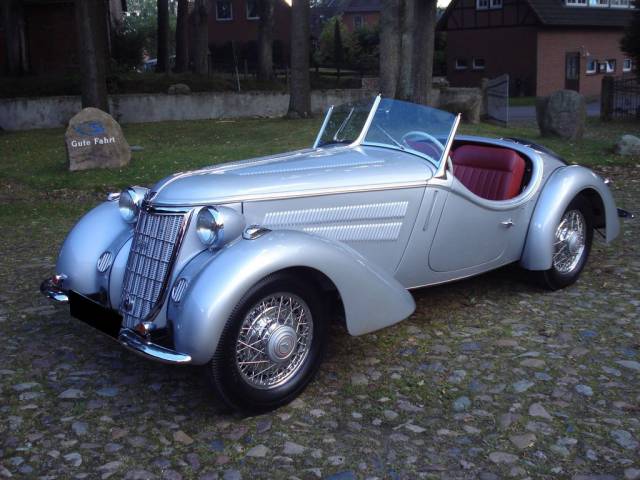
The Wanderer W 25 K stands as a rare two-seater roadster with a supercharged straight-six engine, produced briefly between 1936 and 1937 as a direct response to the BMW 328. Its technical sophistication and eye-catching design make it a sought-after example from the early Auto Union era.
Search results
Currently, there are no matching listings for your search.
Create search alert
Let yourself be notified as soon as a listing is published that matches your search filters.
Create listing
Do you have a Wanderer W 25 that you want to sell? Then create a listing now.
Create listingWanderer W 25 listing references from Classic Trader
Below you will find listings related to your search that are no longer available on Classic Trader. Use this information to gain insight into availability, value trends, and current pricing for a "Wanderer W 25" to make a more informed purchasing decision.
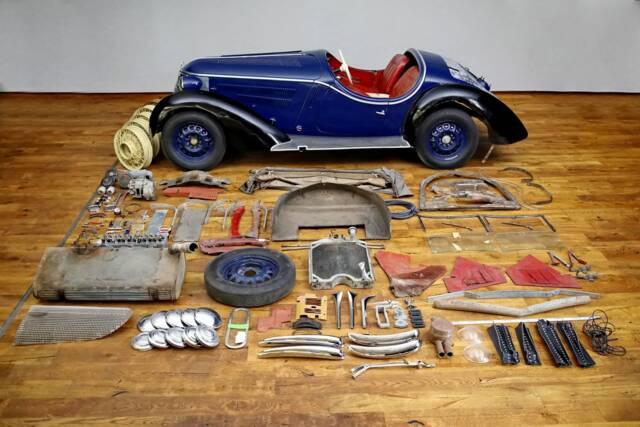
1936 | Wanderer W 25 K
Roadster / Project for restoration
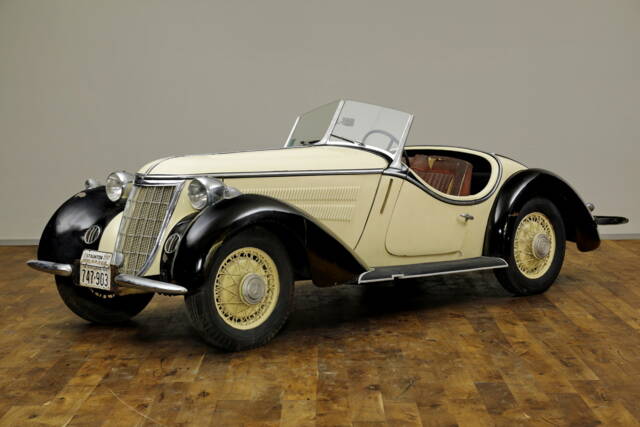
1936 | Wanderer W 25 K
W25K & W25 & W23 Gläser Cabriolet
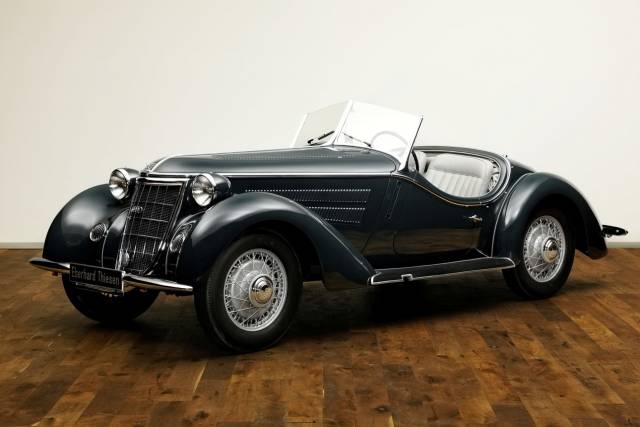
1936 | Wanderer W 25 K
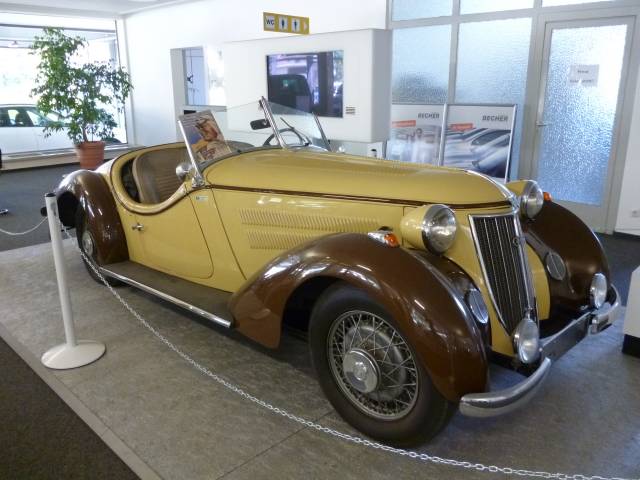
1936 | Wanderer W 25 K
1936 | Wanderer W 25 K
Einer von 220!
Create search alert
Let yourself be notified as soon as a listing is published that matches your search filters.
Create listing
Do you have a Wanderer W 25 that you want to sell? Then create a listing now.
Create listingHistory of the Wanderer W 25 K
The Wanderer W 25 K was introduced in 1936 under the umbrella of Auto Union AG, targeting customers who craved innovative sports cars. Designed to compete directly with the BMW 328—fresh from winning races at the Nürburgring—the W 25 K benefited from Porsche’s expertise, featuring a 2-litre six-cylinder engine developed in 1931. Built with a focus on performance and sporting aesthetics, the W 25 K embodied technological ambition despite a production run limited to just 221 compressor-powered and 37 naturally aspirated models. Its legacy is shaped by technical innovation, moderate commercial reception, and unique engineering solutions.
Model History
The Wanderer W 25 series followed the lineage of the W 22 and W 240, adopting the six-cylinder engine architecture refined by Porsche. The W 25’s compressor version (W 25 K) was a brief foray into high-performance sports cars for Wanderer, ending with the discontinuation of the model in 1937. No direct successor emerged, marking the end of sports roadsters at Wanderer. This concise presence underscores the W 25 K’s unique place in the marque’s portfolio.
Highlights of Wanderer W 25 K
A defining feature of the Wanderer W 25 K is its Porsche-developed 2-litre supercharged engine with 85 hp, delivering slightly more output than its main rival, the BMW 328. Its innovative rear suspension with a floating leaf spring reduced lateral roll in fast corners, a direct transfer from DKW’s technical solutions. The steel box-frame chassis and non-self-supporting body provided rigidity and robust road performance. Despite its impressive power figures, the W 25 K struggled against the BMW 328 due to its almost 200 kg higher kerb weight and high fuel consumption.
Technical Data
Special Editions and Collectible Models
The compressor version, known as the Wanderer W 25 K, stands as the most sought-after variant due to its low production number (221 units with compressor). In addition, a small run of 37 W 25 without supercharger was built in 1938, lacking the performance punch of the K-model, but valuable as a rare footnote in Wanderer’s sports car history.
Engine and Performance, Transmission and Handling
With the supercharged engine, the W 25 K delivers a robust 85 hp, ensuring competitive straight-line performance for its era. However, its kerb weight, which exceeds the BMW 328 by roughly 200 kg, hampers agility. The advanced floating rear axle reduces body roll, while the front-engine, rear-drive configuration appeals to the enthusiast seeking an authentic vintage sports car experience. Unsupercharged models, limited to 40 hp, fall notably behind in overall performance due to the high weight-to-power ratio. - Wanderer W 25 K Roadster (supercharged, 85 hp)
- Wanderer W 25 (non-supercharged, 40 hp, 37 units produced)
Interior, Comfort, Exterior and Design
The W 25 K’s design is defined by its steel box chassis frame and classic, elongated bonnet housing the six-cylinder unit. The car’s aesthetics signal performance intent, with flowing lines and sporting proportions. Inside, a two-seater cockpit focuses on the essentials, with minimal ornamentation and driver-centric ergonomics. Special cabriolet versions were produced in very limited numbers, providing open-air driving pleasure. The bodywork was not self-supporting but securely mounted to the underlying box frame, combining robustness and ease of maintenance. Factory options and unique accessories are sparsely documented, typical for limited-production roadsters of the pre-war era.
Summary
The Wanderer W 25 K offers an authentic snapshot of pre-war German automotive ambition, marrying Porsche’s engineering with Auto Union’s strategy to challenge BMW’s sports car dominance. Its 85 hp supercharged engine, innovative rear axle design, and robust construction set it apart, despite a brief and numerically modest production run. As the main representative of classic Wanderer models in the current market, the W 25’s rarity and technical sophistication continue to appeal to collectors and enthusiasts focused on unique pre-war German sports cars.