Trabant 600 classic cars for sale
The Trabant 600, also known as the P60, represents a pivotal phase in East German automotive engineering with its 599cc two-stroke engine, unique duroplast body, and practical two-door variants—including saloon, estate and box van forms. Produced from 1962 to 1965, this rare model merged the visual language of the P50 with the technical advances found in the later 601. Original equipment, optional chrome details, and velvet-trimmed interiors make surviving examples stand out among classic DDR small cars.
Search results
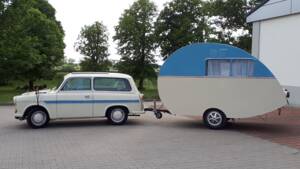
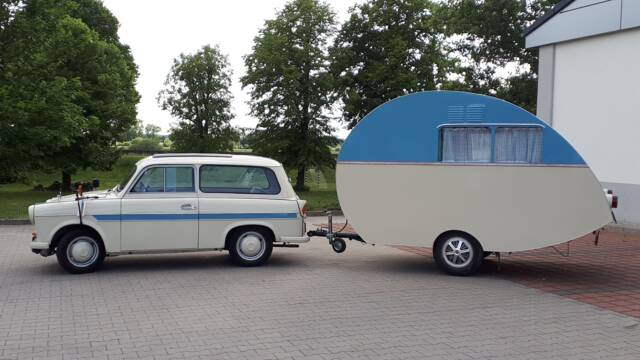
1964 | Trabant 600 Camping
mit Campinganhänger "Dübener Ei" zu verkaufen

Trabant 600 listing references from Classic Trader
Below you will find listings related to your search that are no longer available on Classic Trader. Use this information to gain insight into availability, value trends, and current pricing for a "Trabant 600" to make a more informed purchasing decision.
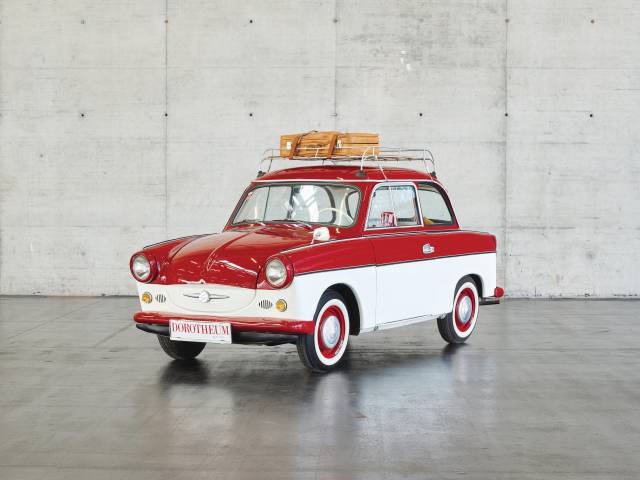
1963 | Trabant 600
1963 Trabant P60 (ohne Limit/no reserve)
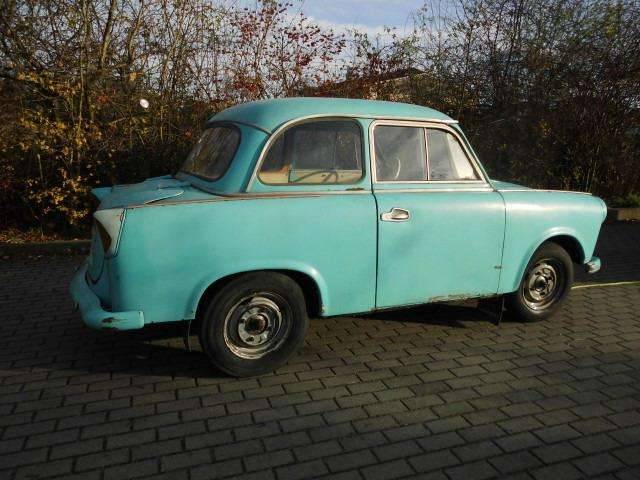
1963 | Trabant 600
Trabant P60
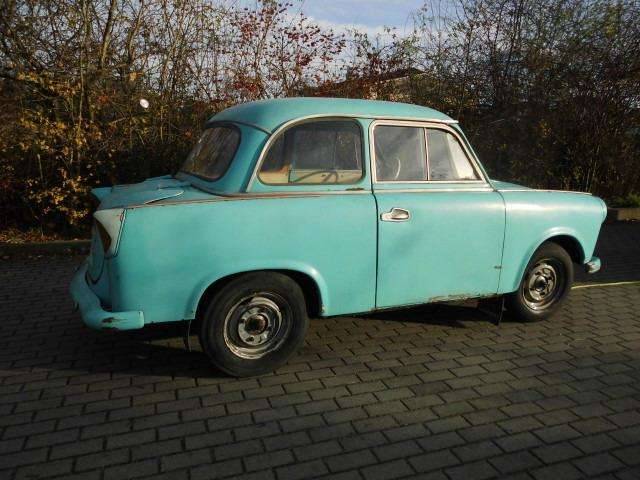
1963 | Trabant 600
Trabant P60
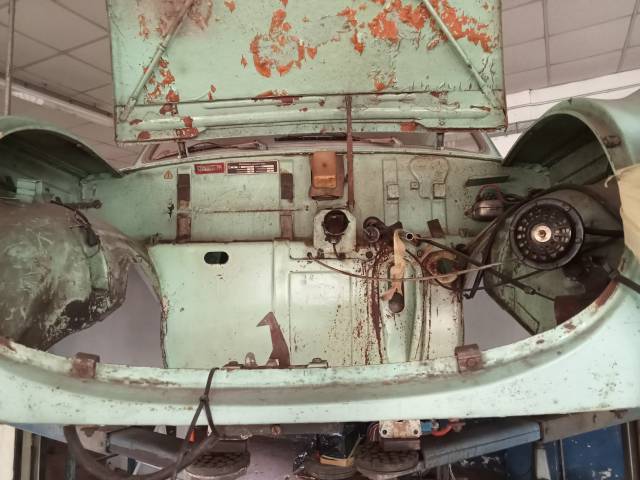
1964 | Trabant 600
Prima serie - 50.000 km - condizioni ottime - vernice originale

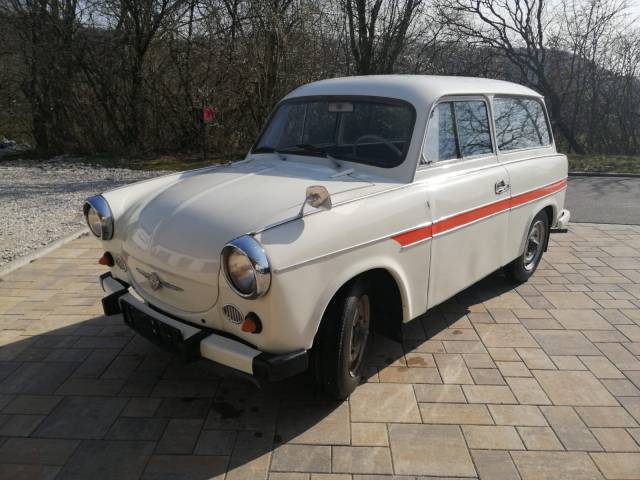
1964 | Trabant 600 Universal
Restauriert
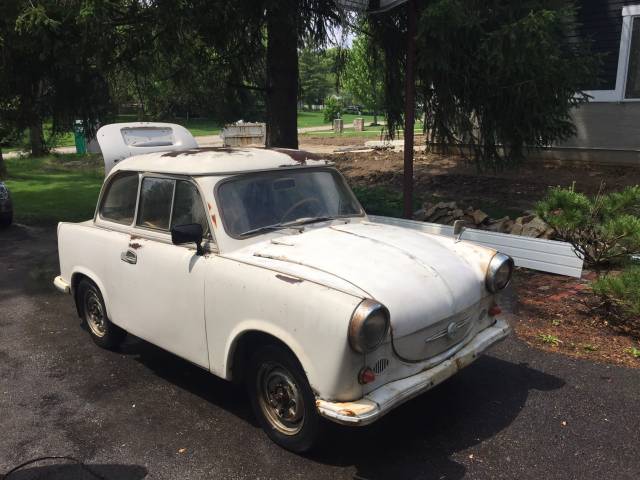
1963 | Trabant 600
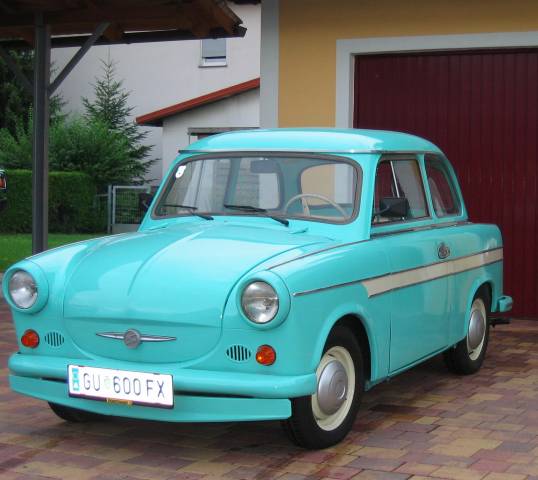
1963 | Trabant 600
Emotionaler Publikumsliebling

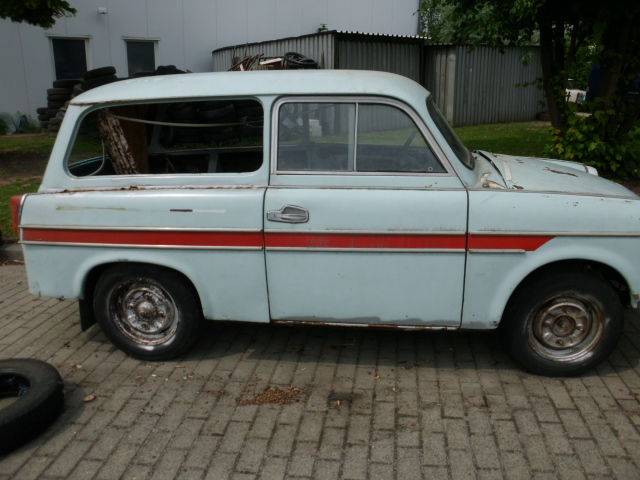
1965 | Trabant 600 Universal
Trabant 600 Kombi, Front 601
Trabant 600 Classic Cars: Prices & Market Values
History of the Trabant 600
The Trabant 600 marked the second chapter in the Trabant lineage, rolling out of VEB Sachsenring Automobilwerke in Zwickau between 1962 and 1965. This generation, designated internally as P60, was conceived as an evolutionary step between the original P50 and the later 601. Unlike its predecessor, the 600 featured an uprated 599cc two-cylinder two-stroke engine yielding 23 PS, a salient improvement in everyday performance. Like all Trabants, its body combined a steel skeleton with duroplast panels—stemming from GDR material innovations. Available as a saloon, estate (Kombi), van, and even a rare Camping Kombi with fold-flat seats and sliding roof, the 600 was a familiar sight on Eastern Bloc roads until it passed the baton to the longer-lived Trabant 601 in 1964.
Model history
Preceded by the Trabant P50 (1957–1962), the 600 introduced increased power and retained the characteristic compact shape and vehicle concept. The most distinguishing factor from its predecessor remained its enhanced two-stroke engine, while externally, only the rear differentiated it from the P50. Following the 600, production shifted to the Trabant 601, which would define the brand’s image until 1990. Throughout its production, multiple body styles were available: a two-door saloon, estate (Kombi), a van, and the Camping version. Over 106,000 units were manufactured, making it a true intermediary in the model’s evolution.
Highlights of the Trabant 600
One feature that set the Trabant 600 apart was its duality as both a technical bridge and a stylistic holdover—the body stayed largely unchanged from the P50, but the mechanicals hinted at the pending 601. Its versatility in body shapes, unusual construction with duroplast, and features like external sun visors, chrome bumper parts, and optional trailer coupling for up to 200 kg towing capacity further define its appeal. The 'Kugelporsche' nickname reflected the public’s view of its rounded design. Estate cars, the Camping Kombi, and a robust 6V electrical system gave the 600 a unique GDR automotive identity.
Technical Data
Special Editions and Collectible Models
Trabant 600 special variants include the Kombi Camping, recognizable by its folding seats and sliding roof, designed for increased comfort and utility. Chrome trim and external sun visors could be ordered as special requests, distinguishing well-equipped models. No official limited editions are known, but Kombi and Camping versions, due to their rarer equipment, are especially sought after among enthusiasts.
Weak Spots and Common Issues
Surviving Trabant 600s often remain close to their original state, with most original specimens lacking stand-alone auxiliary heaters like the Scirocco unit fitted to later variants. Chrome details and unique trim were frequently optional and may be missing or replaced. The 6V electrical system needs careful checking, and the durability of the duroplast panels depends heavily on prior care and sympathetic restoration. No major factory-fitted reliability issues are documented, but like all classic Trabants, consistent maintenance is key.
Engine and Performance, Transmission and Handling
The 599cc engine generated 23 PS, delivering lively but modest acceleration typical for the era’s East German small cars. The two-stroke sound, characteristic powerband, and front-wheel-drive platform resulted in an honest, straightforward ride experience. Transmission came via a manual box, with well-matched gear ratios for urban and rural use. Suspension and low kerb weight contributed to nimbleness rather than comfort, and later Kombi and Camping versions made practical use of the available interior volume, especially in estate trim. Braking and controls embody the design principles of early 1960s GDR engineering. - Trabant 600 Kombi Camping: Folding seats and sliding roof, tailored for leisure use.
- Standard 600 Limousine: Retains the iconic silhouette with practical two-door layout.
- 600 Van/Kasten: Rare commercial vehicle variant suited to small-scale deliveries.
Interior, Comfort, Exterior and Design
The Trabant 600 continues the round, compact appearance of its predecessor, easily confused from the front but identifiable from the rear. The bodywork’s duroplast and steel combination is a standout feature of its construction. Original cars often had velvet-trimmed seats and door cards. Buyers could opt for chrome accents, roof racks, and a trailer hitch. The Kombi version added a large tailgate for cargo, while special order features like external sun visors and bumpers set apart upmarket examples. Paint colours were typically sober, with pastel and muted shades reflecting the East German palette.
Other relevant features
Most original Trabant 600 examples retain their documentation and are generally offered as classic cars with negotiable prices. Test drives are commonly possible, allowing buyers to assess the authenticity and condition before purchase. The distinctiveness of the 600 lies not only in its technology and materials, but also in its embodiment of post-war GDR automotive resourcefulness.
Summary
The Trabant 600 stands as a vital transitional model in East German automotive history, blending familiar design with technical upgrades. Offered in diverse variants—from basic saloon to practical estate and rare camping editions—it features a unique construction of duroplast and steel, a 599cc two-stroke engine, and notable optional extras. The supply and interest in this series are exclusively focused on the 600, making it a significant and clearly defined section of DDR classic car culture.