Suffolk C-Type classic cars for sale
The Suffolk C-Type is a meticulously crafted recreation of the renowned Jaguar C-Type, combining authentic motorsport heritage, aerodynamic design, and a focus on technical detail for driving pleasure and collector appeal. Discover Suffolk’s dedication to automotive history with these hand-built vehicles.
Search results
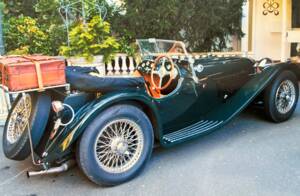
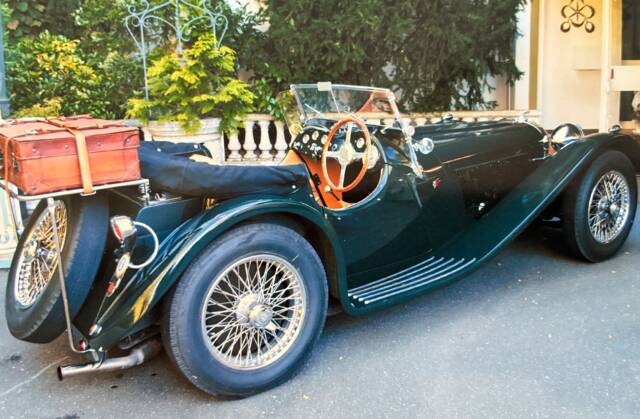
1971 | Suffolk C-Type Jaguar
Suffolk
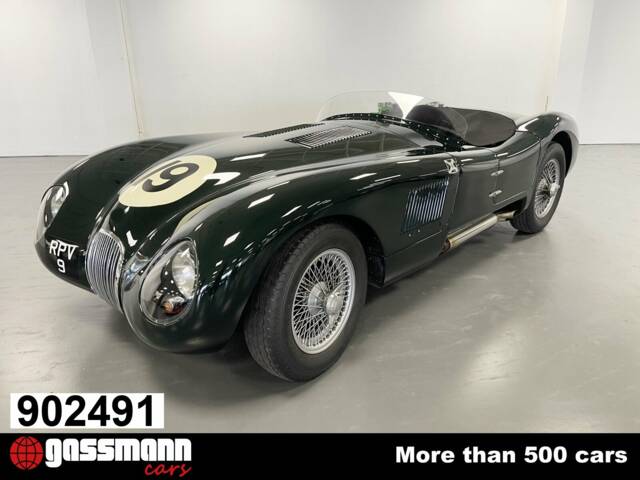
1952 | Suffolk C-Type Jaguar
Jaguar C Type 3.4L PROTEUS LHD
Auctions ending soon

Loading…
Loading…
Loading…
Loading…
Suffolk C-Type listing references from Classic Trader
Below you will find listings related to your search that are no longer available on Classic Trader. Use this information to gain insight into availability, value trends, and current pricing for a "Suffolk C-Type" to make a more informed purchasing decision.
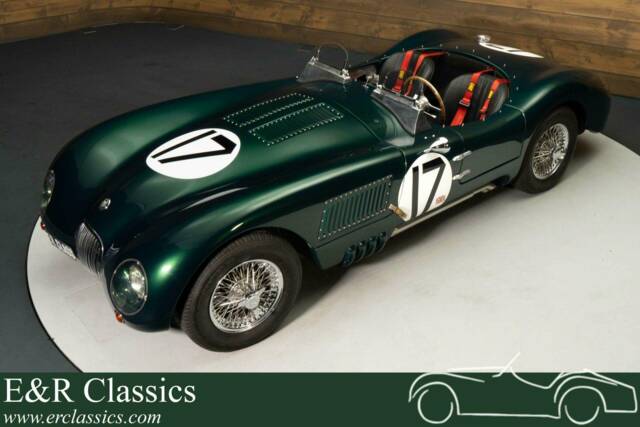
1951 | Suffolk C-Type Jaguar
Jaguar C Roadster | Zeer goede staat | 1951
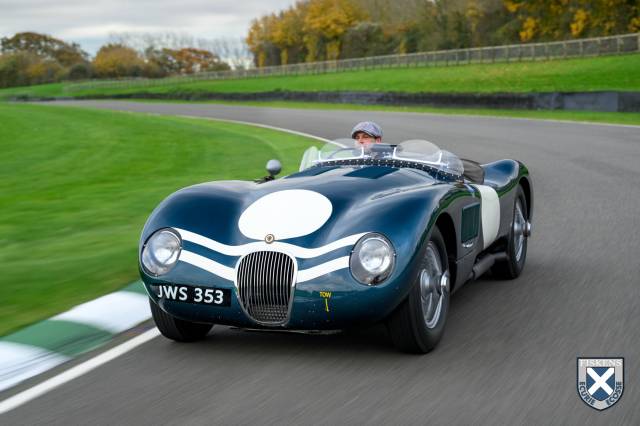
1952 | Suffolk C-Type Jaguar
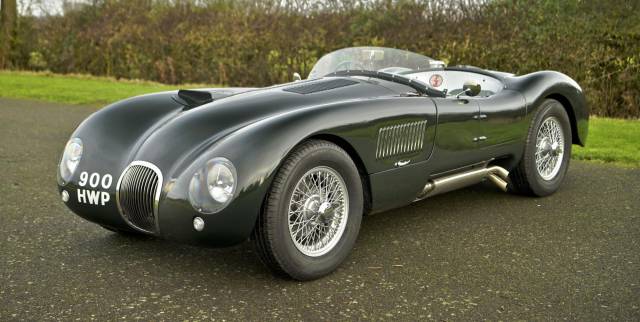
1962 | Suffolk C-Type Jaguar
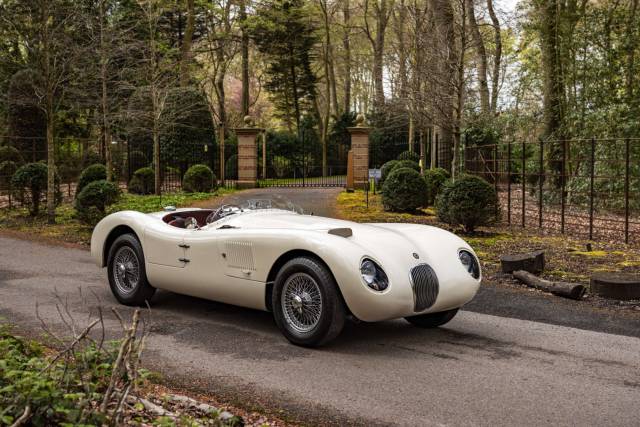
2016 | Suffolk C-Type Jaguar
2016 C-Type by Proteus
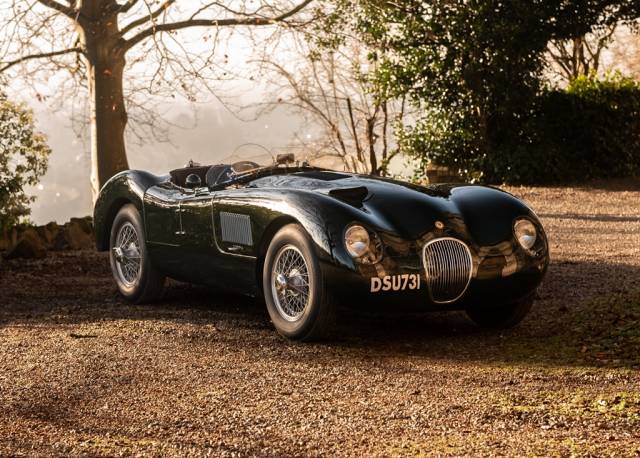
1962 | Suffolk C-Type Jaguar
Jaguar C-Type Evocation
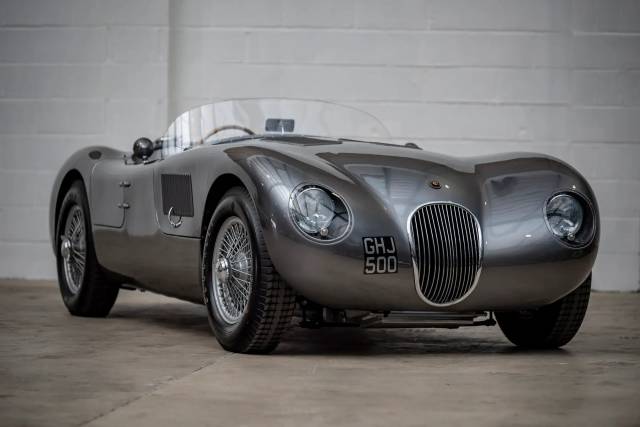
1953 | Suffolk C-Type Jaguar
Fabulous - Low Miles
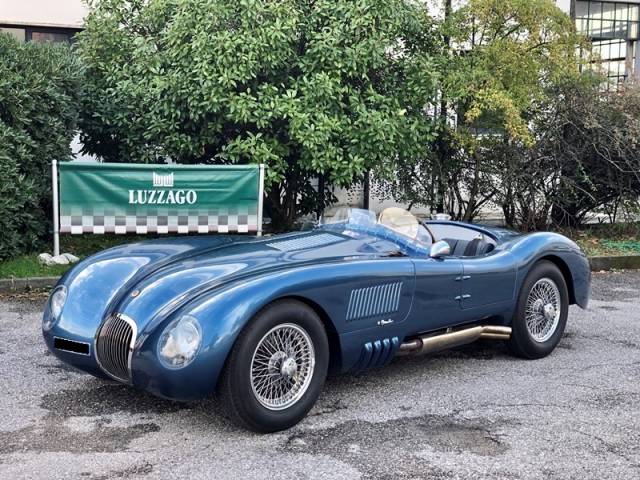
1969 | Suffolk C-Type Jaguar
Replica
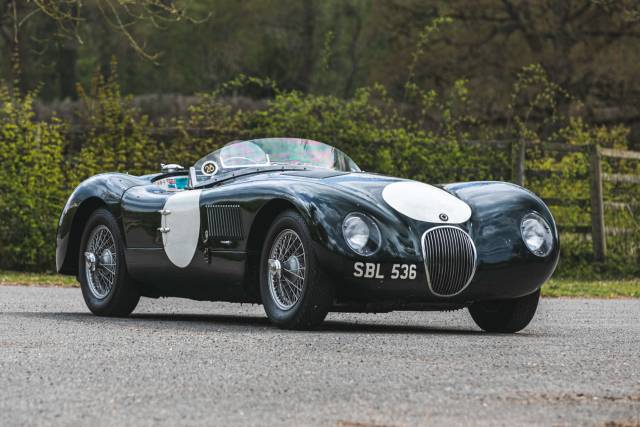
1959 | Suffolk C-Type Jaguar
1959 C-Type Tool Room Copy
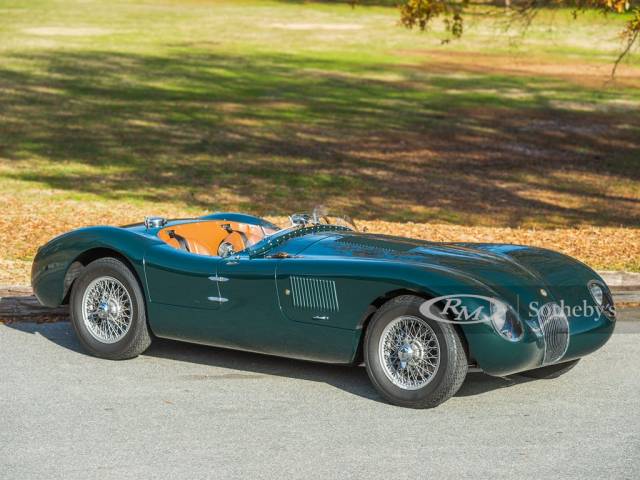
2015 | Suffolk C-Type Jaguar
2015 Jaguar C-Type Evolution by Proteus
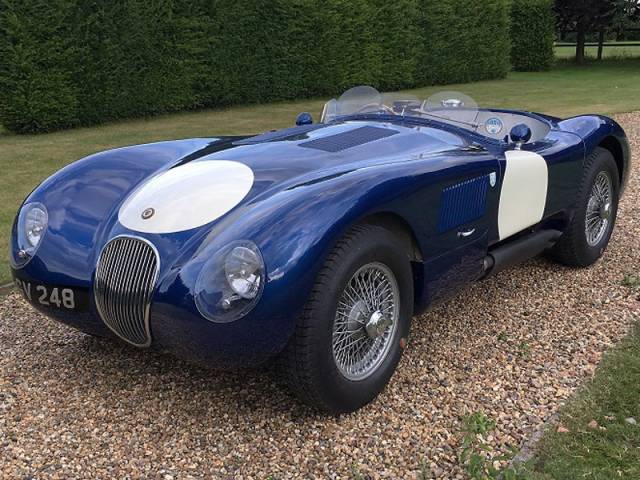
2010 | Suffolk C-Type Jaguar
Auction Duxford: 29.03.2017 Estimate: £48000 - 55000
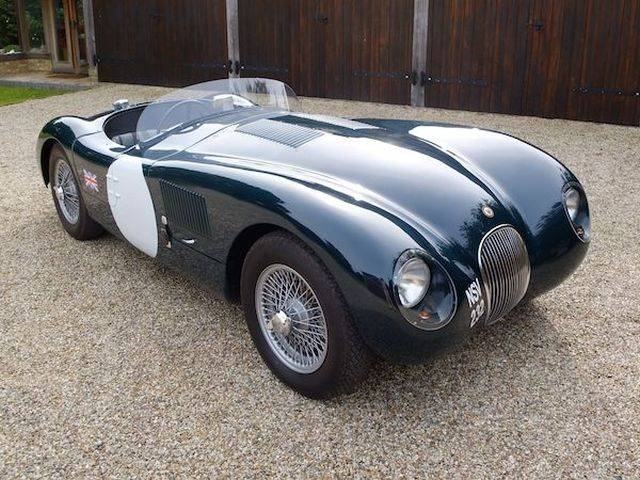
1988 | Suffolk C-Type Jaguar
History of the Suffolk C-Type
The Suffolk C-Type builds upon the rich legacy of the original Jaguar C-Type—conceived for endurance racing as an evolution of the XK120 Competition. Initially developed behind closed doors, the C-Type represented Jaguar’s drive for technical innovation, showcasing lightweight construction and advanced chassis engineering. Between 1951 and 1953, the original C-Type’s triumphs at Le Mans and privateer success (notably with Ecurie Ecosse) solidified its motorsport status. Recreated by Suffolk Sportscars Ltd., the Suffolk C-Type pays homage by replicating the original’s form, function, and craftsmanship—faithfully carrying the story of a racing pioneer into the modern era.
Model History
Jaguar built only 53 C-Types between 1951 and 1953, targeting endurance racing, most famously Le Mans. Distinguished private teams, such as Ecurie Ecosse, raced the C-Type to major victories through the mid-1950s. After original production ceased, the model’s scarcity and reputation made it a reference point for historic motorsport. Suffolk’s recreation arose from dedication to authenticity, with most vehicles constructed using Jaguar XK-derived drivetrain and chassis components. These recreations emulate not just the C-Type’s visual identity but also its driving dynamics, often serving as period-correct entries for historic racing events.
Highlights of the Suffolk C-Type
The Suffolk C-Type distinguishes itself with its close adherence to the engineering and design of its Jagaur predecessor: multi-tubular chassis, aerodynamic aluminium body, Dunlop disc brakes on all four wheels (from 1953 spec onwards), and a driving experience reminiscent of the 1950s original. Suffolk’s exacting standards deliver both build quality and historical accuracy; period-correct number plates, original-style dashboards, and authentic materials are standard. British Racing Green dominates, but vivid shades such as Ecurie Ecosse’s metallic blue appear, reflecting historic livery choices.
Technical Data
Special Editions and Collectible Models
Ecurie Ecosse-liveried Suffolk C-Types are highly prized, mirroring the unique livery and race modifications of the historic Scottish racing team. Builds with historical documentation or Goodwood Revival provenance often attract particular attention from collectors and motorsport enthusiasts.
Weak Spots and Common Issues
While no specific weak spots are documented for Suffolk C-Type recreations, as with all hand-built vehicles, quality depends heavily on builder expertise and donor Jaguar components’ condition. Potential buyers should inspect chassis mounting points, ensure correct brake operation, and verify the authenticity and completeness of the construction documentation. Historic racing eligibility may depend on strict adherence to original specifications.
Engine and Performance, Transmission and Handling
With period-correct Jaguar XK engines (3.4 or 3.8 litres) powering a svelte aluminium chassis, Suffolk C-Types promise robust performance and a rousing exhaust note that echoes 1950s racing paddocks. The handling benefits from the lightweight construction, multi-tubular chassis, torsion bar suspension, and all-disc brakes, offering precise feedback and agile response, especially on classic tyre compounds. Four-speed Jaguar transmissions with overdrive deliver engaging, period-correct gear changes, making these vehicles suitable for historic motorsport or spirited road driving. Notable configurations include Jaguar 4.2-litre engine conversions and setups optimized for 'fast-road' use, along with high-spec disc-brake models ideal for track and Goodwood events.
Interior, Comfort, Exterior and Design
Suffolk C-Type interiors replicate the purposeful feel of the original, with minimal but meticulously finished instruments, period-style seats, and authentic steering wheels. Owners often specify special exterior colours or genuine Ecurie Ecosse racing stripes. The aluminium bodywork, flush rivets, and signature bonnet bulge all mirror Malcolm Sayer’s original aerodynamic vision. Period-correct accessories, like wood-rimmed steering wheels or leather bonnet straps, are frequently specified, while some examples feature bespoke trim materials and hidden modern upgrades for usability.
Other Notable Features
Many Suffolk C-Types are registered for road use and come with comprehensive build documentation, service history, and photographs from construction—adding transparency for collectors. Several cars are regularly seen at historic races and enthusiast meet-ups, demonstrating a high level of usability alongside collectability.
Summary
Suffolk’s C-Type recreations are among the closest approximations of Jaguar’s 1950s endurance racer available to enthusiasts—remarkable for their attention to detail and technical authenticity. They blend racing legacy with bespoke craftsmanship, finding a following in historic competition circles and among collectors who prize both provenance and driving involvement.