Shelby Daytona Classic Cars for Sale
The Shelby Daytona is a purpose-built American sports coupé, engineered for racing supremacy in the 1960s. Developed by Carroll Shelby and his team, only six original Daytona Coupes were produced, each blending lightweight construction, potent Ford V8 engines, and distinctive aerodynamic design. Today, both originals and authentic continuation models are highly sought after, valued for their motorsport pedigree and technical innovation.
Search results
Currently, there are no matching listings for your search.
Create search alert
Let yourself be notified as soon as a listing is published that matches your search filters.
Create listing
Do you have a Shelby Daytona that you want to sell? Then create a listing now.
Create listingShelby Daytona listing references from Classic Trader
Below you will find listings related to your search that are no longer available on Classic Trader. Use this information to gain insight into availability, value trends, and current pricing for a "Shelby Daytona" to make a more informed purchasing decision.
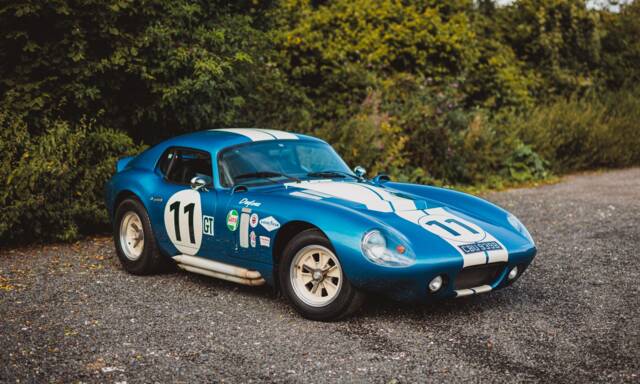
1964 | Shelby Daytona Cobra Coupe
1964 Shelby Daytona Coupe Continuation

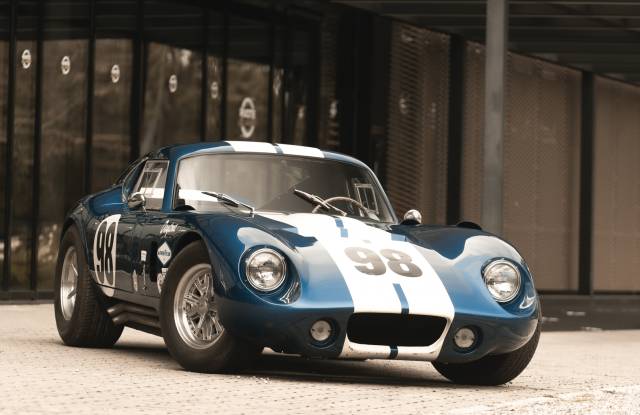
1965 | Shelby Daytona Cobra Coupe

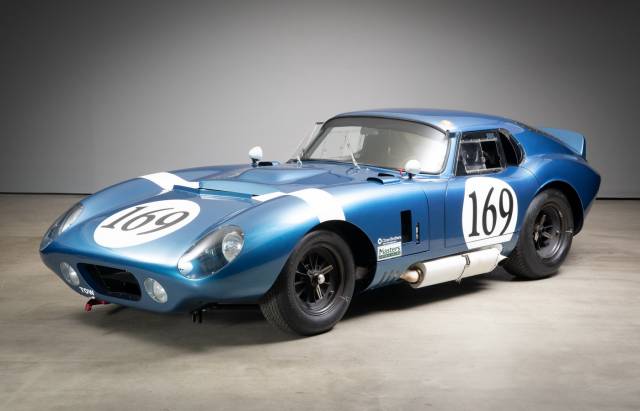
1965 | Shelby Daytona Cobra Coupe
Daytona Coupé

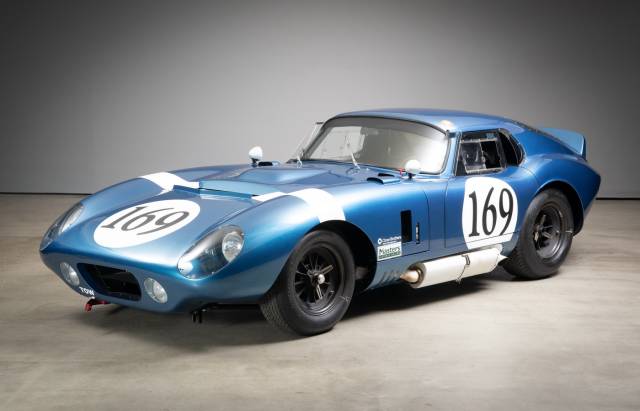
1965 | Shelby Daytona Cobra Coupe
Daytona Coupé
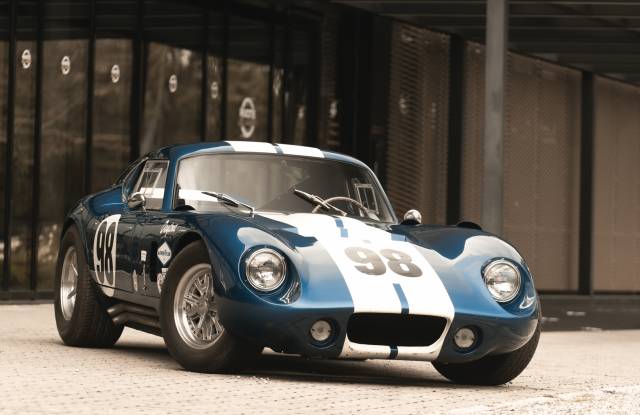
1965 | Shelby Daytona Cobra Coupe
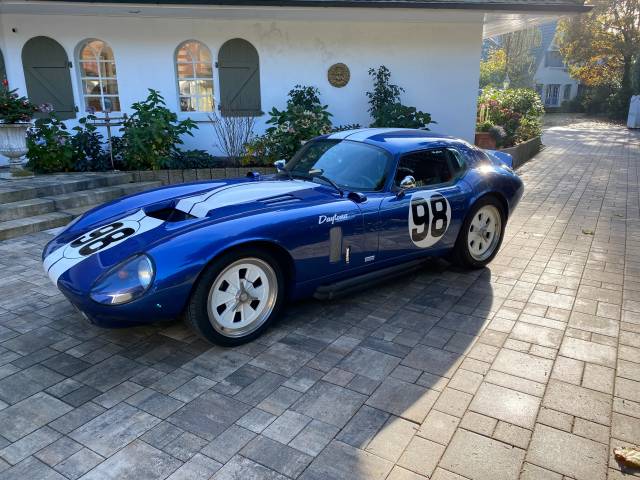
1965 | Shelby Daytona Cobra Coupe
Shelby American INC Superformance by Peter Brock
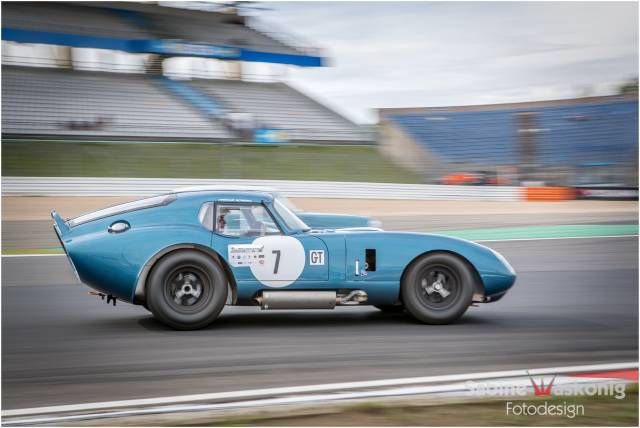
1963 | Shelby Daytona Cobra Coupe
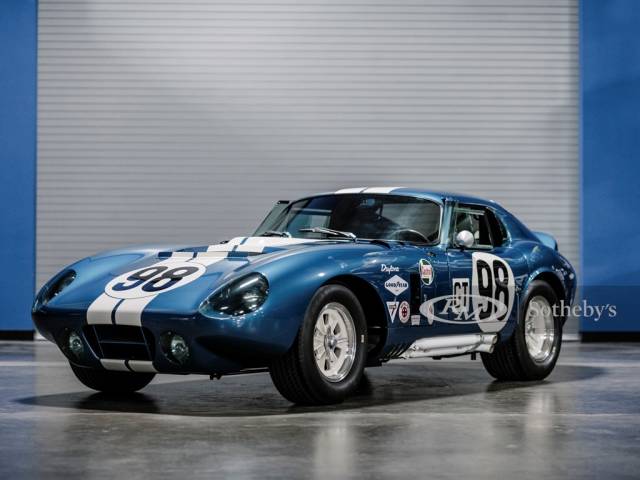
1964 | Shelby Daytona Cobra Coupe
1964 Shelby Cobra Daytona Coupe Continuation
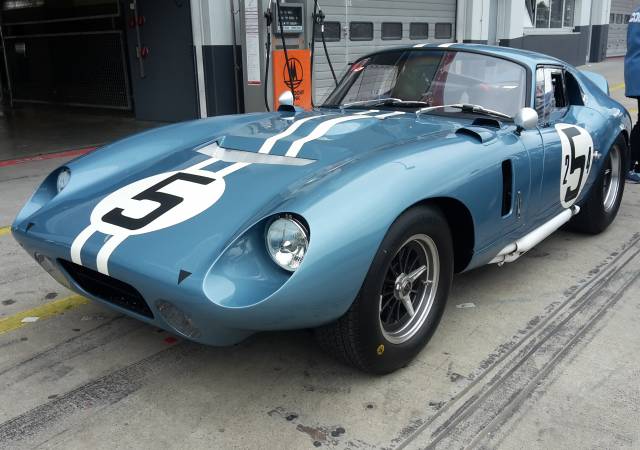
1964 | Shelby Daytona Cobra Coupe
Cobra Daytona Coupe Recreation
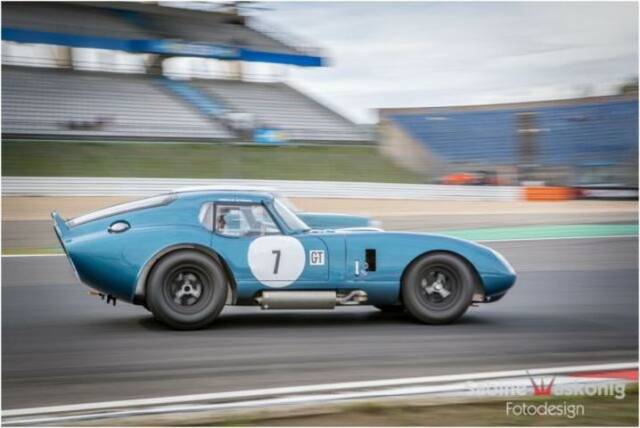
1964 | Shelby Daytona Cobra Coupe
Cobra FIA HTP Rennwagen
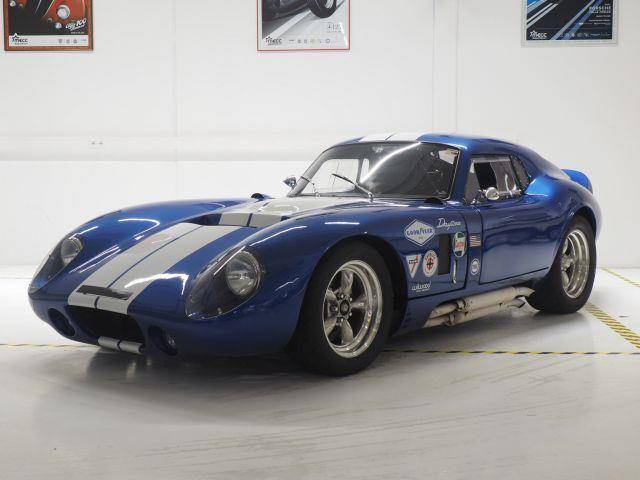
1967 | Shelby Daytona Cobra Coupe
Oldtimer Sonstige Cobra
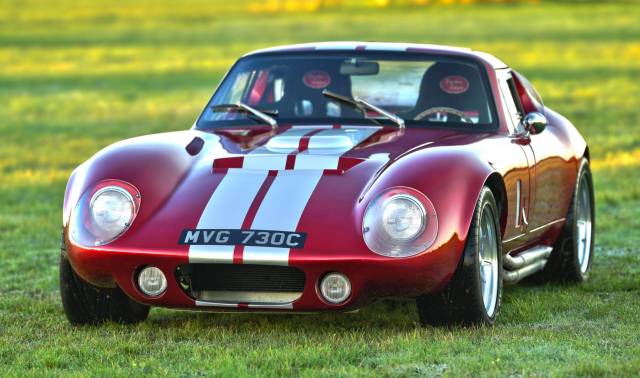
2018 | Shelby Daytona Cobra Coupe
Evocation by Factory 5 Racing
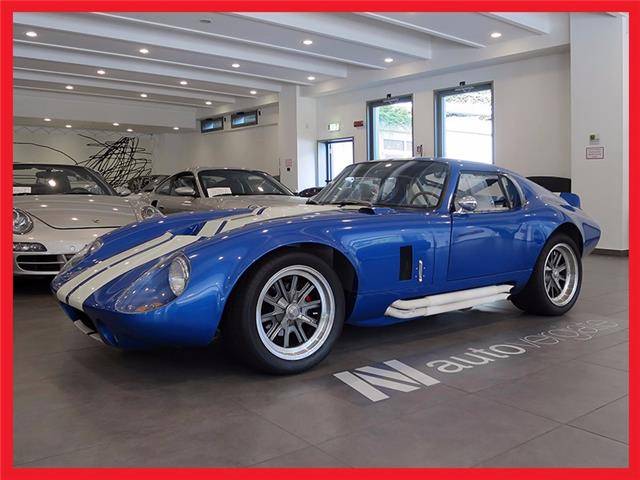
1965 | Shelby Daytona Cobra Coupe
Oldtimer Shelby COBRA DAYTONA - FACTORY FIVE
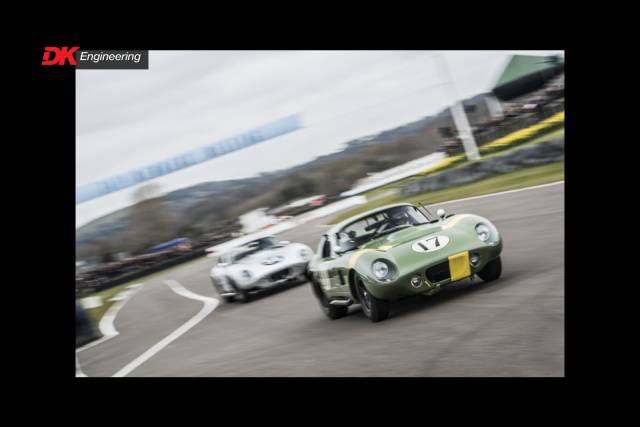
1965 | Shelby Daytona Cobra Coupe
Shelby American Cobra Daytona Coupe [DK768]
Create search alert
Let yourself be notified as soon as a listing is published that matches your search filters.
Create listing
Do you have a Shelby Daytona that you want to sell? Then create a listing now.
Create listingShelby Daytona Classic Cars: Prices & Market Values
History of the Shelby Daytona
The Shelby Daytona Coupe emerged as a direct response to Ferrari’s dominance in the FIA GT class during the early 1960s. Carroll Shelby, fresh off significant achievements with the AC Cobra, envisioned a closed-cockpit coupé capable of achieving higher top speeds and improved aerodynamics for long-distance races. Designed by Peter Brock, the Daytona featured an all-new body atop a modified Cobra chassis. Its focus was clear: dethrone Ferrari at prestigious events like the 24 Hours of Le Mans. Between 1964 and 1965, just six original Daytona Coupes were produced, each built for uncompromising motor racing and marking a shift in American ambition on the world stage.
Model History of the Shelby Daytona
The Shelby Daytona’s roots trace directly to the AC Cobra, with the Daytona conceived as its hardtop, aerodynamically-refined sibling. The Cobra provided the basic chassis and drivetrain, but Peter Brock’s purposeful coupé body turned it into a groundbreaking GT car. The original six Daytonas participated in major FIA GT races in 1964 and 1965, securing victories at Sebring and ultimately clinching the World Sportscar Championship in 1965—making Shelby the first American constructor to do so. As Carroll Shelby moved on to the Ford GT40 project, original Daytona production ceased. The rarity of these six originals led to the creation of highly accurate continuation cars, sanctioned by Shelby American and often registered in the official Shelby registry.
Highlights of the Shelby Daytona
The Shelby Daytona stands apart with its combination of a TIG-welded 3-inch steel tube chassis, lightweight aluminium or fibreglass shell, and powerful Ford V8 engines—ranging from the 289ci to the fuel-injected, all-aluminium 427ci. The cockpit is distinctly focused, featuring race-spec instrumentation, integrated roll cage, and, in some models, modern amenities like leather seats and climate control. Racing-derived suspension and brakes (Wilwood or Girling components) ensure precise handling on circuit or road. Details such as the hinged rear Perspex window, enlarged luggage compartment, and magnesium or aluminium wheels contribute to its race-readiness and usability. Period-correct detailing includes signature Shelby blue-and-white livery and comprehensive registration in the Shelby register for authentic continuation models.
Technical Data of the Shelby Daytona
Special Editions and Collectible Models
All six original Shelby Daytona Coupes are distinct and documented, making each vehicle a collectible with unique race history. Beyond these, the Shelby American 'Continuation' cars, known as 'CSX' models, pay homage to the originals with detailed recreations. These are typically limited in number (with around 50 continuation vehicles referenced) and may be supplied with FIA or national ASN racing papers, making them eligible for historic motorsport events. All continuation cars are entered in the Shelby registry and benefit from factory support and parts supply.
Weak Spots and Common Issues
Maintenance requirements for the Shelby Daytona align with its motorsport breeding. The lightweight chassis and aluminium or fibreglass bodywork demand regular inspection for stress or material fatigue, especially on cars used in racing conditions. Mechanical robustness is generally excellent due to race-proven components, but period-correct engines—especially high-performance V8s—require diligent upkeep, including oil changes and valve checks. Continuation cars benefit from improved build standards and parts availability, yet authentic originality should be preserved during servicing to retain historic value.
Engine, Performance, Transmission and Handling
The Shelby Daytona’s performance set new benchmarks for American GT cars of the 1960s. Engine output ranged from 380 to 440 horsepower in 289ci versions, with some continuation models equipped with fuel-injected 427ci V8s. The result is formidable acceleration, high top speeds and torque delivery, thanks to the lightweight construction. The five- or four-speed manual transmissions (Tremec or T10) are robust and provide engaging, precise gear changes. The suspension and braking systems are pure motorsport tech—double-wishbone front suspension, period coil springs, and potent Wilwood or Girling brakes. The Daytona’s compact cockpit, full roll cage and racing ergonomics deliver unparalleled driving immersion, while luggage space and practical details point to surprising usability on the road. - Shelby Daytona CSX Continuation (289ci V8, 380–440 hp)
- Shelby Daytona continuation with 427ci all-aluminium fuel-injected V8
- Original six Daytona Coupes (each with unique spec/history)
Interior, Comfort, Exterior and Design
Designed by Peter Brock, the Shelby Daytona’s coupé form is instantly identifiable: low, streamlined and aggressively purposeful, finished in Shelby blue with white stripes. The body—crafted from aluminium or hand-laid fibreglass—balances lightness and structural rigidity. Standout features include the large rear Perspex window, which provides full access to the spacious luggage area, and magnesium or aluminium wheels. The interior fuses motorsport function with select luxuries: seats in correct leather, classic gauges, integrated roll cage for safety, and options such as air conditioning or sound deadening in continuation models. Period attention to detail extends to switchgear, helmet storage and tailoring for the driver—even the exhaust note is tuned for a race-inspired experience.
Other Features
Shelby Daytona Coupes—both original and continuation—typically offer extensive support from Shelby American, including racing service and parts backup. Registration in the official Shelby registry and, depending on specification, eligibility for historic FIA or ASN events are important points for collectors and enthusiasts alike. Certain cars built later often feature modern amenities (climate control, power steering, electric windows) without detracting from the authenticity of driving experience. Accessories and upgrade packages for period-correct presentation are available for those wishing to compete or preserve these vehicles at the highest standard.
Summary
The Shelby Daytona stands as a testament to focused American racing engineering of the 1960s. With only six originals crafted for FIA GT supremacy and a select run of continuation cars that maintain the technical and historical DNA, it delivers unrivalled performance, design and collectability among classic racing coupés. Configurations range from pure-bred race machines to road-legal, race-ready recreations, all offering a unique experience rooted in motorsport history.