GMC CCKW classic cars for sale
The GMC CCKW, often fondly called the 'Jimmy', stands as one of the most recognized 2½-ton, 6x6 military trucks ever produced. With an unmatched reputation for reliability off-road and a central role in supporting Allied logistics during World War II and the Korean War, the CCKW forms an unmissable chapter of automotive history.
Search results
Currently, there are no matching listings for your search.
Create search alert
Let yourself be notified as soon as a listing is published that matches your search filters.
Create listing
Do you have a GMC CCKW that you want to sell? Then create a listing now.
Create listingGMC CCKW listing references from Classic Trader
Below you will find listings related to your search that are no longer available on Classic Trader. Use this information to gain insight into availability, value trends, and current pricing for a "GMC CCKW" to make a more informed purchasing decision.
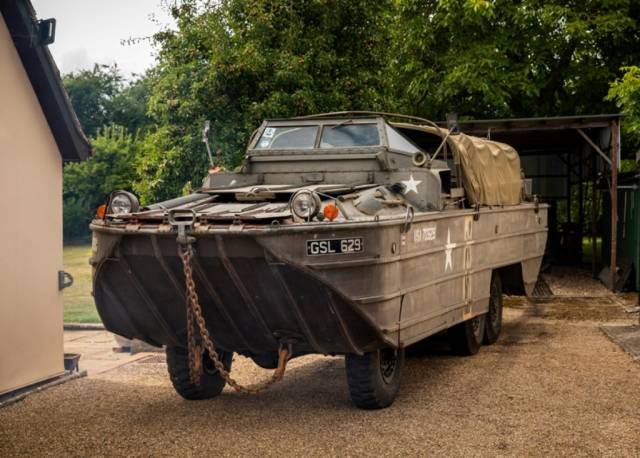
1945 | GMC CCKW 353
GMC DUKW
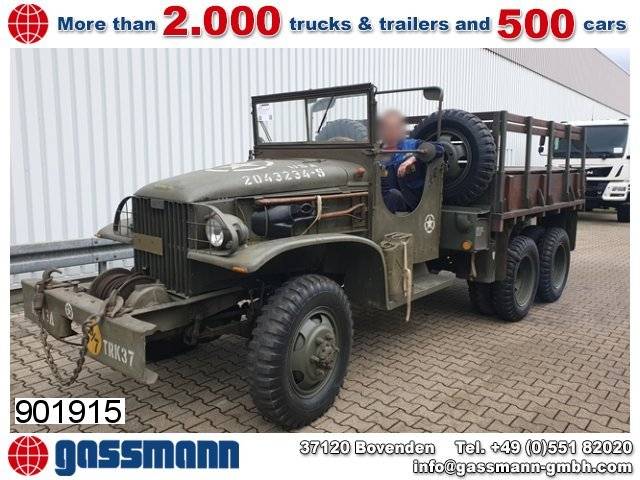
1942 | GMC CCKW 353
CCKW 353 6x6 SWB Pickup
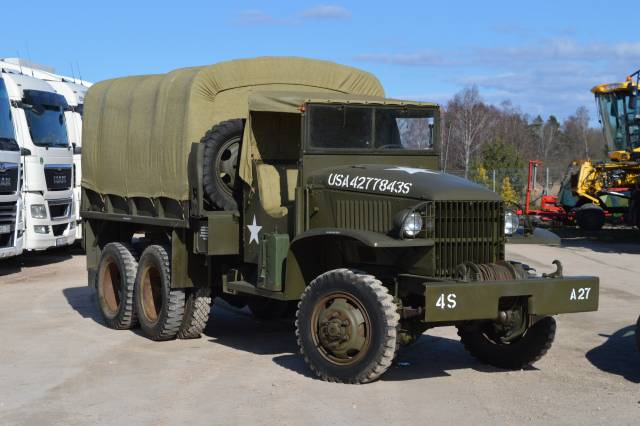
1942 | GMC CCKW 352 B1
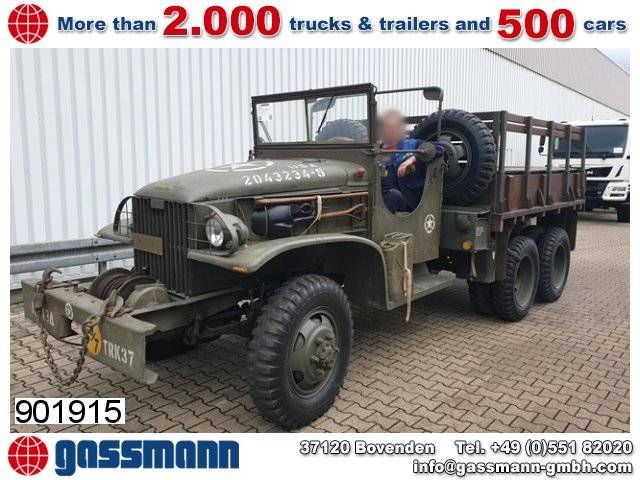
1942 | GMC CCKW 352 B1
CCKW 353 6x6 LWB Pickup
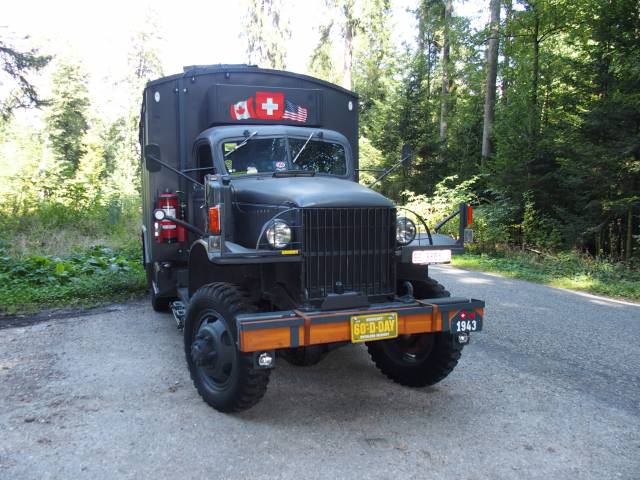
1943 | GMC CCKW 352 B1
Fahrzeug mit Geschichte Invasion D-Day
Create search alert
Let yourself be notified as soon as a listing is published that matches your search filters.
Create listing
Do you have a GMC CCKW that you want to sell? Then create a listing now.
Create listingHistory of the GMC CCKW
Introduced for the U.S. Army during World War II, the GMC CCKW—catalogued as the G-508—was designed to be a versatile, robust solution to the military’s logistical demands. Production volumes exceeded 500,000 units, and the truck saw deployment across multiple fronts. Most famously, the CCKW was essential to the Red Ball Express, a daring supply chain that kept Allied divisions moving after D-Day. The vehicle’s rugged construction, combined with its excellent off-road abilities, established a new standard for military logistics at the time.
Model History
The CCKW’s lineage started with earlier GMC commercial trucks adapted for military use. The CCKW model superseded these pre-war types, introducing all-wheel drive and a more robust chassis tailored for diverse wartime roles. After WWII, GMC’s military trucks evolved into newer series, with the CCKW serving as a template for the next generation of tactical vehicles. No direct civilian successor existed, as post-war GMC civilian trucks focused on peacetime utility rather than military ruggedness.
Highlights of the GMC CCKW
A hallmark of the CCKW is its remarkable adaptability. The vehicle was manufactured in numerous body styles, including cargo, tanker, recovery, and workshop bodies. Its 6x6 drivetrain made it highly sought after for demanding conditions, ensuring the Allied advance across Europe retained momentum. The truck’s reliability, standardized parts, and ease of repair further solidified its workhorse status among military mechanics and drivers.
Technical Data
Special Editions and Collectible Models
The CCKW family comprised numerous specialist variants. Notably, the CCKW-353 (long wheelbase) and CCKW-352 (short wheelbase) addressed different tactical requirements. Tanker, shop van, and mobile workshop versions were also produced in limited numbers, each standing out for their tailored applications in the field.
Engine and Performance, Transmission and Handling
With its 4.4-litre inline-six engine and robust four-wheel-drive setup, the CCKW could reliably traverse muddy terrain, fording rivers and handling steep inclines with ease. The five-speed manual plus transfer case equipped the truck to switch between highway and off-road use seamlessly. Its suspension and chassis design, while basic, were crucial for army supply operations and proved their worth in the harshest wartime conditions. CCKW-353: Known for its longer wheelbase, suitable for larger payloads and varied conversions. CCKW-352: Offers a shorter chassis for greater manoeuvrability, particularly useful in narrow or forested areas.
Interior, Comfort, Exterior and Design
The CCKW’s design adheres strictly to military pragmatism: steel cab or open cab with canvas tops, minimalistic dashboards, and flat bench seating with basic upholstery. Many models feature blackout lights, external fuel can mounts, and military-grade fittings. Accessories such as winches, cargo covers, split windshields, and shovel racks reflect its field-proven durability and purpose-driven configuration. Special camouflage paint schemes and identification markings were commonly applied to suit operational requirements.
Summary
The GMC CCKW set standards for wartime mobility and reliability. Its mechanical resilience, tactical versatility, and lasting presence on historical vehicle markets underline a heritage built on real-world battlefield utility. For classic truck enthusiasts, the CCKW represents not only a collectable vehicle but also a key piece of 20th-century technological and military history.