Vauxhall Cavalier classic cars for sale
The Vauxhall Cavalier, a classic staple on British roads from 1975 to 1995, remains a highlight for enthusiasts of mid-sized, practical classics. With a wide selection of engines, versatile equipment options, and a lineage rooted in both Vauxhall and Opel engineering, the Cavalier offers both variety and nostalgia to collectors and drivers looking for an authentically British family car experience.
Suchergebnisse
Zur Zeit sind keine passenden Inserate zu Ihrer Suche veröffentlicht.
Create search alert
Let yourself be notified as soon as a listing is published that matches your search filters.
Create listing
Do you have a Vauxhall Cavalier that you want to sell? Then create a listing now.
Create listingVauxhall Cavalier listing references from Classic Trader
Below you will find listings related to your search that are no longer available on Classic Trader. Use this information to gain insight into availability, value trends, and current pricing for a "Vauxhall Cavalier" to make a more informed purchasing decision.
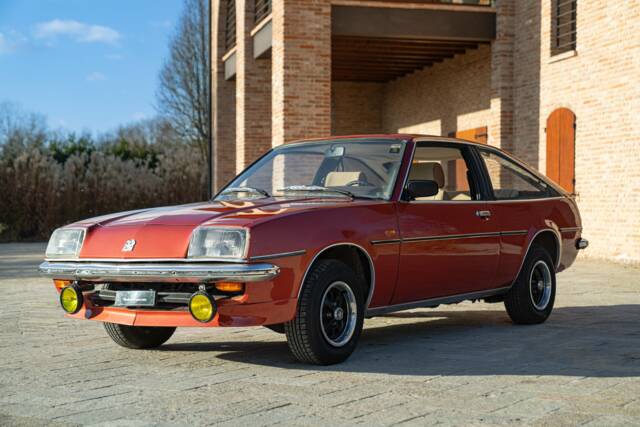
1979 | Vauxhall Cavalier 1.6
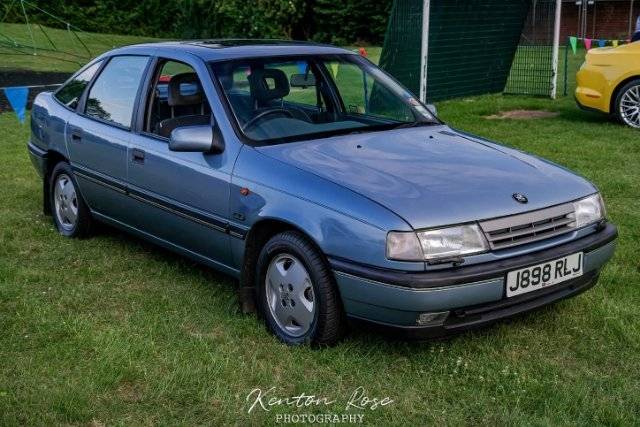
1991 | Vauxhall Cavalier 2000 GSi
VAUXHALL CAVALIER 2.0 CDI 1991 Manual Petrol
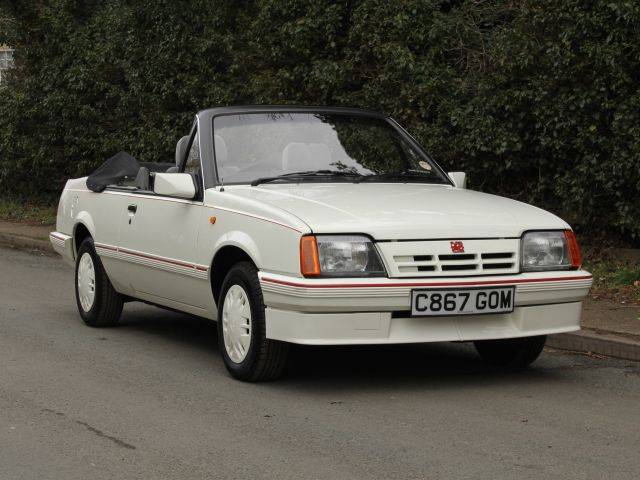
1985 | Vauxhall Cavalier L
1985 Vauxhall Cavalier Convertible - 8500 Miles
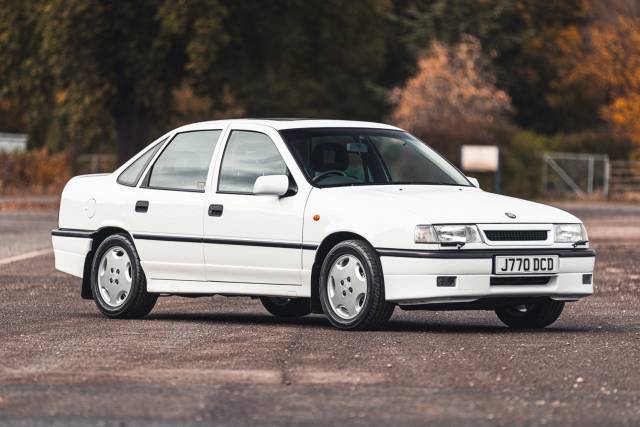
1992 | Vauxhall Cavalier 2000 GSi
1992 Vauxhall Cavalier GSI 2000
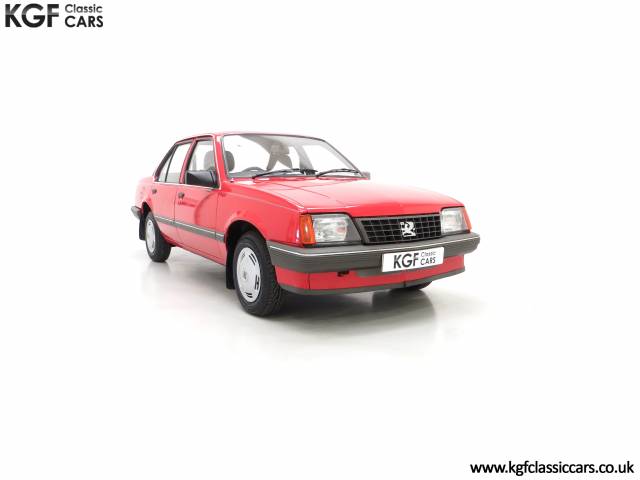
1985 | Vauxhall Cavalier L
A Factory Original Vauxhall Cavalier Mk2 L 1600S with 29,992 Miles
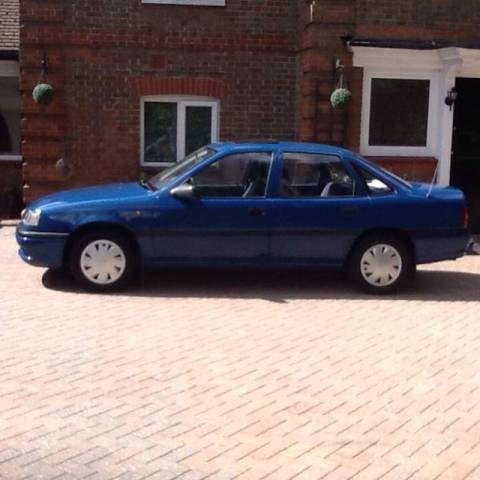
1993 | Vauxhall Cavalier L
Create search alert
Let yourself be notified as soon as a listing is published that matches your search filters.
Create listing
Do you have a Vauxhall Cavalier that you want to sell? Then create a listing now.
Create listingHistory of the Vauxhall Cavalier
Introduced in 1975, the Vauxhall Cavalier marked the start of a two-decade run that shaped the UK’s perception of the mid-sized saloon. The Cavalier drew its basic design and engineering from Opel models, particularly the Ascona and Manta, but was tailored for Vauxhall’s British clientele. Assembly took place both in Britain and Germany, and the car was offered as a saloon, hatchback, estate, and even a convertible, making it a versatile choice through three comprehensive generations until its production ended in 1995. The car’s robust engineering and sensible equipment made it particularly popular as a second-hand vehicle throughout the 1980s.
Model History
The Cavalier went through three generations: the Mk I (1975–1981), directly based on the Opel Ascona B and Manta, launched Vauxhall into the modern era. The Mk II, introduced thereafter, expanded body styles and updated features. The Mk III, with its rounded design and broader equipment, reflected late 1980s and 1990s motoring trends. Each generation featured updates in engine technology, comfort, and safety, with later models especially notable for their broad range of variants and trim levels. The Cavalier succeeded models like the Victor and was itself replaced by the Vauxhall Vectra in the mid-1990s.
Highlights of the Vauxhall Cavalier
A defining aspect of the Cavalier is its breadth of model choice, with body styles including the practical saloon, the flexible hatchback, estates, and even original, factory-convertible versions. Equipment could be surprisingly extensive: from standard fitments like halogen headlights and heated rear screens to luxury touches such as velour seats and digital dashboard elements in later versions. Safety features like crumple zones, reinforced cabins, and a diagonal dual-circuit braking system stand out for the era. The Mk III is notably the most common among both supply (50% of listings) and demand (80.5% of page views), with earlier generations having a smaller share of the market. This demonstrates stronger collector and enthusiast interest in the most recently produced series.
Technical data
Special Editions and Collectible Models
Several Cavalier versions stand out, especially the convertible models with folding fabric roofs and Tonneau covers, which are particularly rare today. Special trims such as the ‘L’ variant and factory-fitted alloy wheels or distinct colour schemes also make for enthusiast talking points. Some late Mk II and Mk III examples included digital displays and upgraded sound systems, emphasising limited-edition appeal in a sea of mass-market saloons.
Weak Spots and Common Issues
Routine wear items are common due to age: tyres are often renewed, and original brake components require close inspection, including discs (9.3 inches front) and drums (7.9 inches rear). Many examples exhibit interior wear, especially on seats and dashboards; preserved, crack-free dashboards can be rare for early models. The car’s extensive original build numbers mean some spare parts for standard variants remain accessible, but specific trim pieces for special editions or preserved interiors might warrant more diligent searching. Watch for corrosion in body sills, wheel arches, and underbody, which impacts even well-looked after examples.
Engine and Performance, Transmission and Handling
Performance depends heavily on engine choice, with the well-known 1600S OHC producing up to 90 PS and a top speed of 105 mph (169 km/h) in some variants. Handling was a notable selling point, thanks to a suspension set up for British roads and a diagonal split dual-circuit braking system with servo assistance. Gearboxes were typically four-speed manual, though some versions offered automatics. Later Mk III models benefitted from refined suspension and improved sound insulation, making them more comfortable for motorway use. Popular models include the Mk III Cavalier with its broader appeal, a potent supply and demand profile, and later engine and equipment upgrades; Mk II models with original alloy wheel options and vibrant paint codes also attract dedicated collectors.
Interior, Comfort, Exterior and Design
The interior impresses with velour or fabric seating, sometimes in stripe or twill patterns that echo the period’s fashions. Dashboard layouts mature from simple analogue dials to occasional digital panels. Special design elements include deep front spoilers, trim stripes along the sides, and metallic paint finishes. Many examples are fitted with accessories such as remote-adjustable mirrors, reading lamps, and even period-correct Philips radio/cassette players. Upholstery and headliners often follow the exterior paint theme, with matching carpets. Cabriolet models deliver a unique British open-top experience with full convertible trim and often a Tonneau cover. Safety enhancements like reinforced cabins and crumple zones foreshadowed later design developments.
Other relevant features
Dealer options included mudflaps and accessory wheel choices, making each survivor unique in its specification. Many cars retain their original steel wheels (5J rims with hubcaps) or cross-spoke alloys. A full-size spare wheel was standard and is often present; original toolkits mounted in the boot are desirable as well. Period-correct cigarette lighters, illuminated gloveboxes, and reading mirrors were typical features. Space was generous for luggage and passengers, complimenting the Cavalier’s role as a genuine family car.
Summary
The Vauxhall Cavalier stands as a testament to practical engineering and British automotive tastes during the 1970s to 1990s. With a diverse array of body styles, engines, and equipment, plus a tangible surge in collector demand for later models, the Cavalier endures as a fascinating classic for enthusiasts who value both usability and historic character. Its strong market demand for Mk III variants underlines its standing in the classic scene, while earlier models, especially those with unique features or factory convertible roofs, appeal to purists and specialists alike.