Porsche 912 classic cars for sale
The Porsche 912 stands out as the agile, economical sibling to the early 911, combining the iconic looks with a robust 4-cylinder boxer engine and notably low running costs. From its debut in 1965 until the end of its production in 1969, the 912 built a strong fan base among drivers valuing precision handling and everyday usability.
Search results
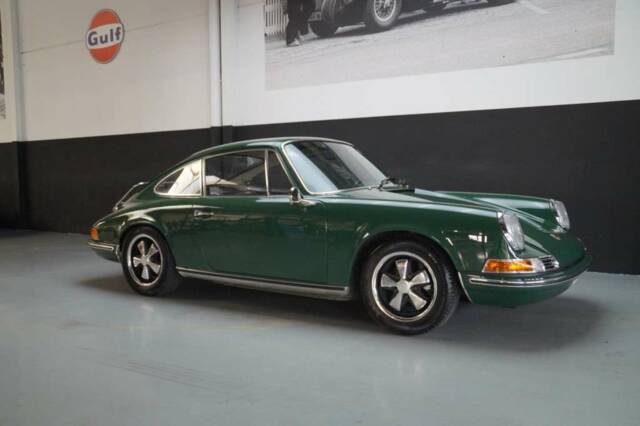
1969 | Porsche 912
Porsche 912
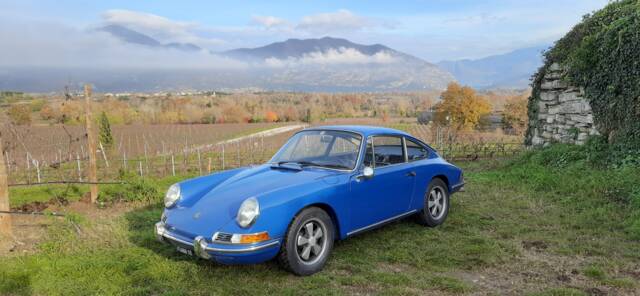
1968 | Porsche 912
LA PIU' RICERCATA: 912 1600 CINQUE STRUMENTI
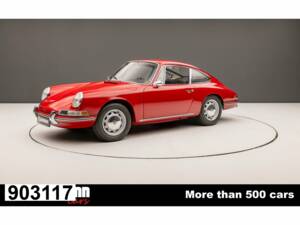
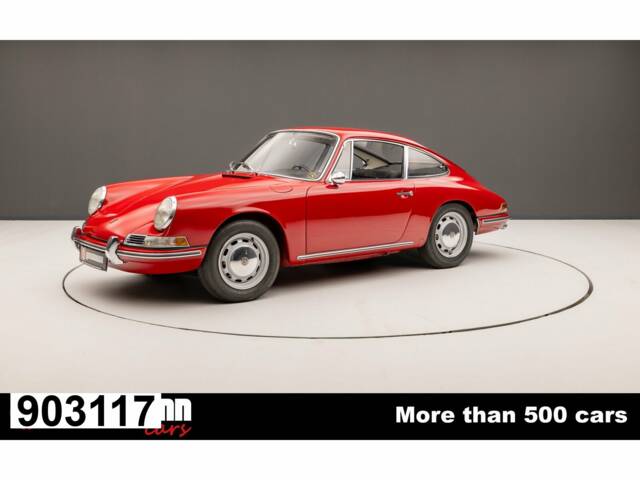
1966 | Porsche 912
912 Coupe
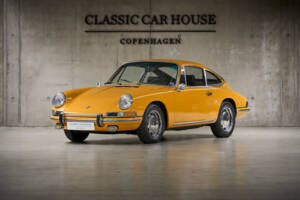
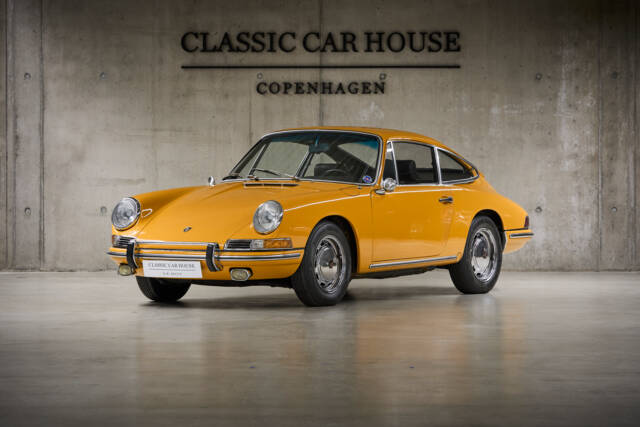
1967 | Porsche 912
Matching numbers 1967 Porsche 912 SWB
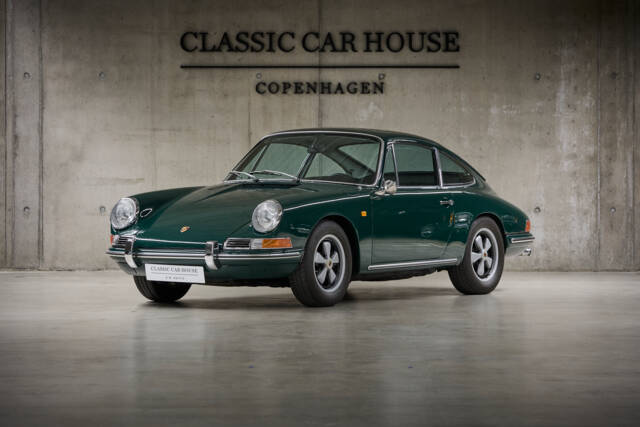
1967 | Porsche 912
Porsche 912
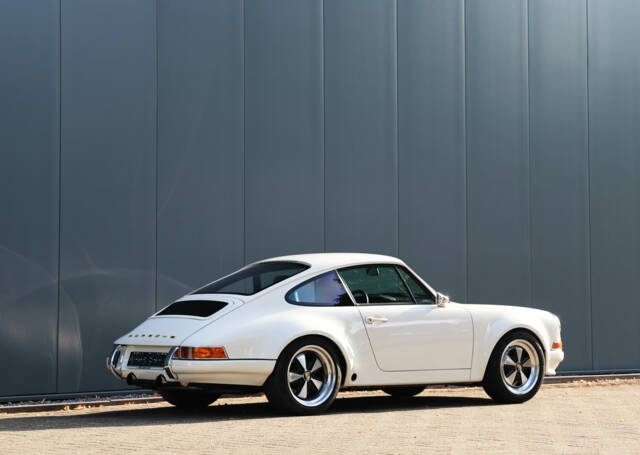
1969 | Porsche 912
1969 Porsche 912 Restomod – Air-Cooled Soul, Reimagined
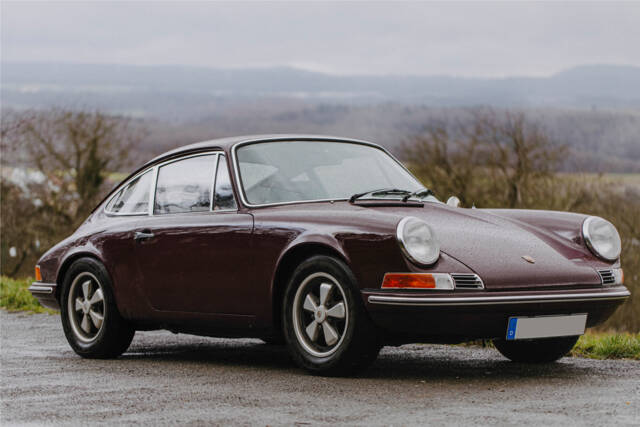
1968 | Porsche 912
Matching Numbers, Vollrestauration
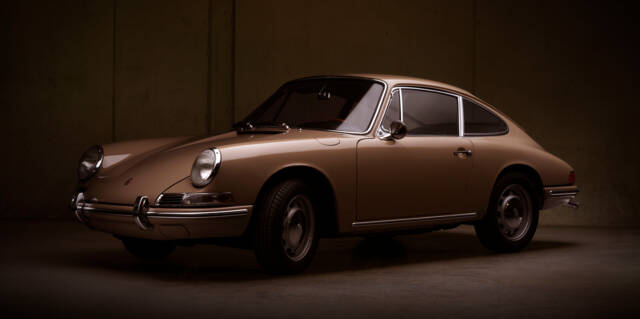
1966 | Porsche 912
beautifully restored, full history
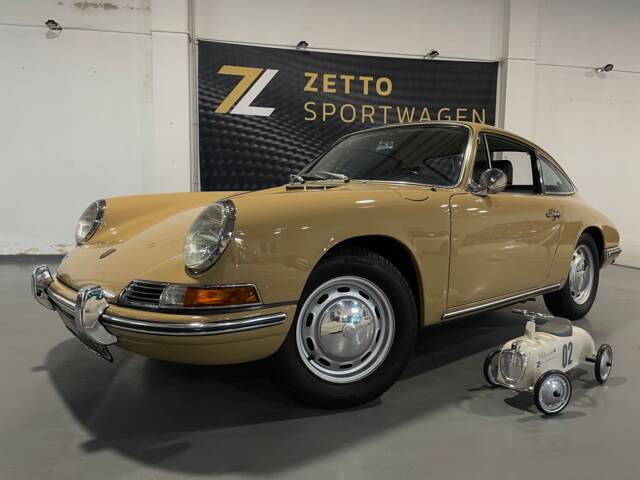
1967 | Porsche 912
Vollrestaurierter Porsche 912 Coupe ZUSTAND 2+
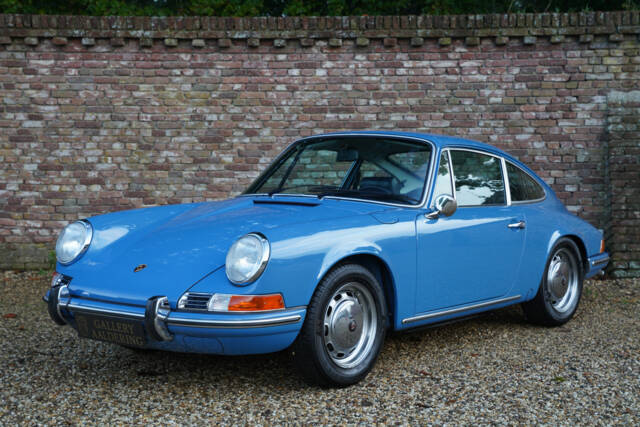
1969 | Porsche 912
Porsche 912 coupé "Factory 5-speed" "Bare metal" body restoration, Mechanically fully rebuilt by highly skilled classic car specialist in the Netherlands, Factory equipped 5-speed transmission, Matching numbers - accompanied by Porsche Geburtsurkunde, For 912 standard well equipped with options, Presented in "Enamel Blue over black", Many photos on file,
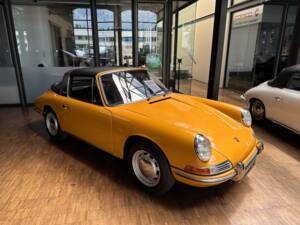
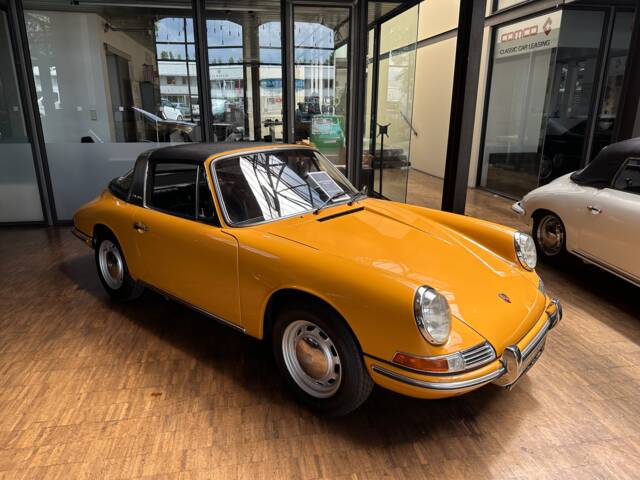
1967 | Porsche 912
BAHAMAGELB*engine matching number and colour*EU Car*
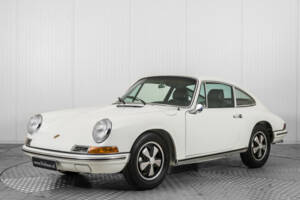
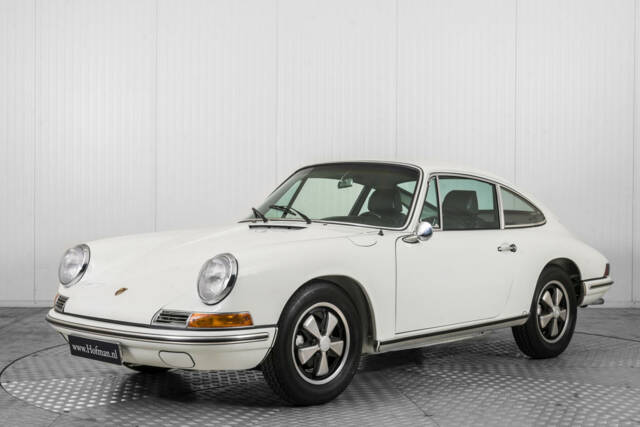
1967 | Porsche 912
Porsche 912 SWB .
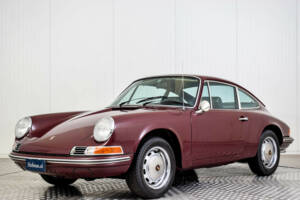
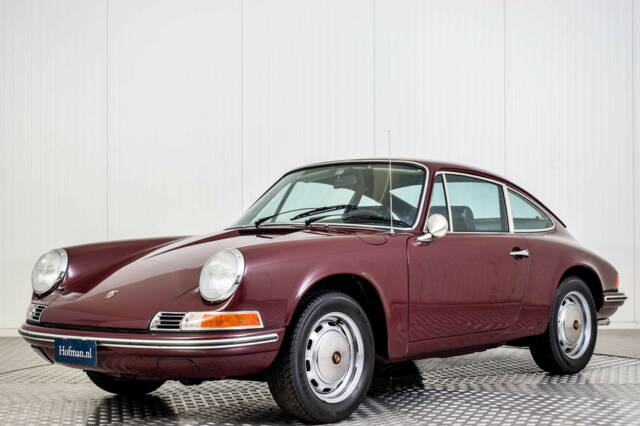
1969 | Porsche 912
Porsche 912 coupé
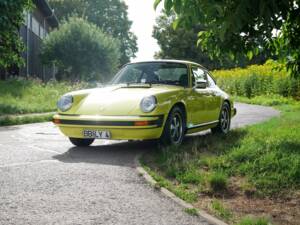
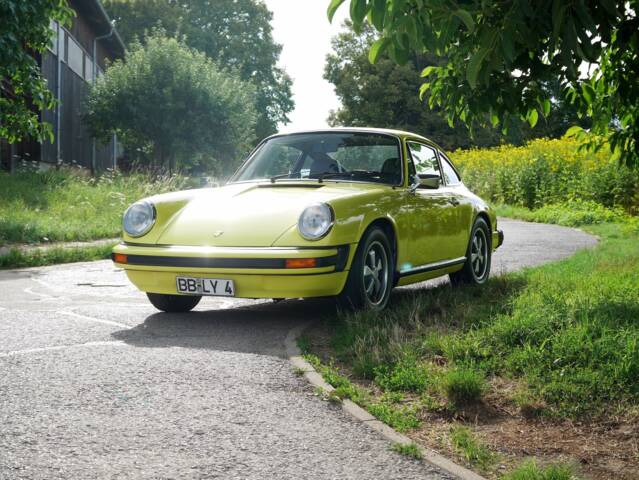
1976 | Porsche 912 E
Porsche 911/ 912E Prototyp // one-of-one // vorbildliche Dokumentation
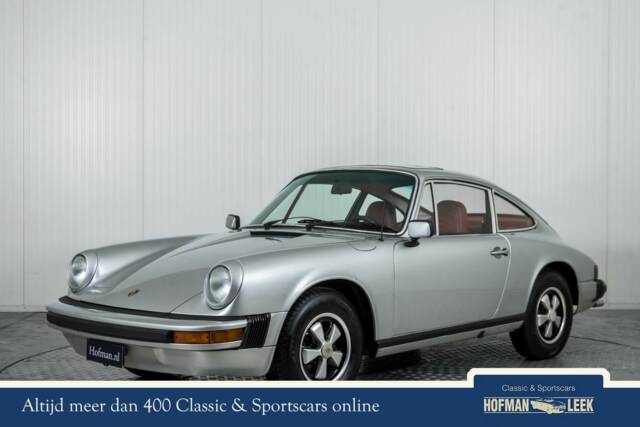
1976 | Porsche 912 E
Porsche 912 E
History of the Porsche 912
Porsche began producing the 912 in 1965 as a cost-effective alternative to the 911, targeting customers transitioning from the 356. Retaining the 911’s chassis, bodywork, and technical layout but equipped with a 4-cylinder, 1.6-litre air-cooled boxer engine derived from the 356SC, the 912 delivered around 90 hp and a top speed of up to 185 km/h. The model was available both as a coupé and, from 1967, as a Targa variant. Rapidly outselling the 911 in its first years, the 912 became a favorite for private drivers and the police alike—various Targa models were supplied to police forces in Germany and the Netherlands. The model was discontinued in 1969, replaced by the 914, but experienced a brief revival in 1976 as the 912E, aimed at the US market, bridging the production gap before the introduction of the 924.
Model History: Generations and Special Features
Three main iterations marked the life of the Porsche 912: the short-wheelbase SWB (1965–1968), the long-wheelbase LWB (1969), and the American-market 912E (1976). Early coupés and Targas were built by Porsche and Karmann, with later 912s gaining features like five-instrument dashboards and enhancements in safety and comfort (longer wheelbase, improved steering and seat belts, and refinements in the interior). The 912E (1976) was built on the G-series 911 chassis and fitted with a 2-litre VW Type 4 engine with Bosch injection, with only about 2,100 units produced. Throughout its lifespan, the 912 reflected Porsche’s effort to offer a well-balanced, lightweight sports car that prioritised driving dynamics over outright power.
Highlights and Unique Features
The 912’s responsive handling stems from its lighter four-cylinder engine, reducing rear weight bias and resulting in better weight distribution than its more powerful 911 sibling. This made the 912 less prone to lift-off oversteer and increased everyday usability. Fuel economy was one of its trademarks, with real-world consumption of 7.8 l/100 km (30 mpg US) and running costs noticeably lower than those of a 911. The 912 was also successful in motorsport: Polish driver Sobiesław Zasada won the 1967 European Rally Championship (G1 Class) in a factory-loaned 912. Distinctive features include early ‘Softwindow’ Targa models, rare colour schemes (like Bahama Yellow, Irish Green, Polo Red), and optional Fuchs wheels.
Technical Data
Special Editions and Collectible Models
Two groups are especially notable: the Targa 'Softwindow' (from 1967), with a rear plastic window, and the 'Hardwindow' Targa (from 1968) featuring a glass rear window, which combined the open-top feel with greater rigidity and practicality. The 912E (1976), made exclusively for the US, used the G-model chassis and a 2-litre VW engine with Bosch electronic injection. Fewer than 2,100 examples of the 912E were produced, making it particularly rare and sought-after among collectors, especially in original specification and with ‘matching numbers’.
Engine, Performance, Transmission and Handling
The 912 is valued for its lively engine response and a well-matched 4- or 5-speed manual gearbox offering precise engagement. The car’s lighter rear end improves cornering stability—especially compared to early 911s—reducing the risk of snap oversteer. Its reliable, air-cooled 4-cylinder also means a lighter front end than the 911, aiding agility. Motorsport success includes wins in European rallying and classic endurance events, confirming its motorsport pedigree. - 912 Coupé SWB (1965–68): Simple, lightweight, and closest to the original Porsche 911 formula.
- 912 Targa SWT (1967–68): The rare 'Softwindow' combines unique open-air experience with a robust rollbar—prized for rarity.
- 912 LWB (1969): Longer wheelbase, improved stability and comfort.
- 912E (1976, US-only): The transitional model, blending classic Porsche looks with a unique VW-powered engine, ultra-low production numbers.
Interior, Comfort, Exterior and Design
The 912 shares most body panels and design cues with early 911s, focusing on clean, uncluttered lines. Early interiors had a stripped-down appearance and just three green-faced dials; later models got a full five-instrument dash. Upholstery featured materials like leather, leatherette, Pepita, or fabric, depending on customer choice. Factory and dealer options included sports or wood-rim steering wheels, Fuchs wheels, and rare radio or fog light options. Softer materials, minimalist chrome, and slim bumpers all contributed to both aesthetic and lightness. Distinctive colour options (Bahama Yellow, Slate Grey) and the availability of seating for four, albeit with miniature rear seats, rounded out its appeal. The Targa roof (from 1967), with removable sections, highlighted comfort and usability for open-air driving without losing torsional rigidity.
Other Aspects
Documentation—including original toolkits, maintenance records, and owner's manuals—adds considerable value to surviving cars. Many 912s were exported, particularly to the US and continental Europe, making matching-numbers and original accessories especially valuable. Models constructed by Karmann can be identified by their badge-work and specific details. The 912E introduced galvanised bodywork for improved long-term longevity. Factory options and annual updates led to significant differences between build years, even among seemingly similar cars.
Summary
The Porsche 912 provides a compelling mix of precise handling, mechanical simplicity, and affordability. Its shared heritage with the 911 ensures technical sophistication, but the distinct four-cylinder engine makes for unique driving characteristics and practicality. Key variants like the 'Softwindow' Targa and the 912E add intrigue, while well-preserved, matching-numbers cars are highly regarded by enthusiasts and collectors alike.