Lotus Elise classic cars for sale
The Lotus Elise stands for uncompromising driving dynamics, remarkable lightweight construction and British engineering mastery. Engineered for pure driver engagement, every variant of the Elise focuses on minimal mass, maximum feedback, and advanced chassis technology for the road or track.
Resultados de la búsqueda
Auctions ending soon

Loading…
Loading…
Loading…
Loading…
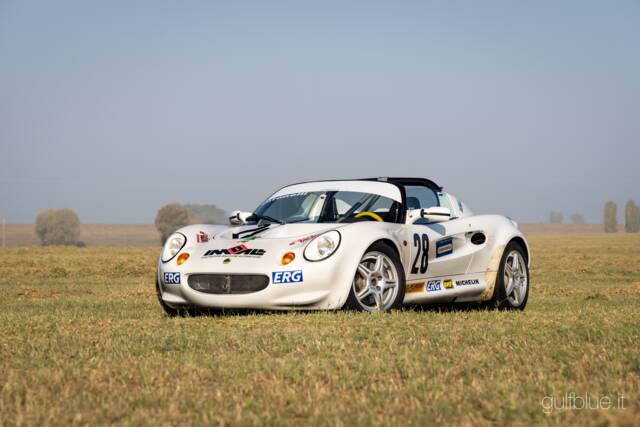
1998 | Lotus Elise 111
Marco Antonelli raced this car in only few events of the italian Lotus Elise Trophy, original and preserved, only 2200kms, single owner.
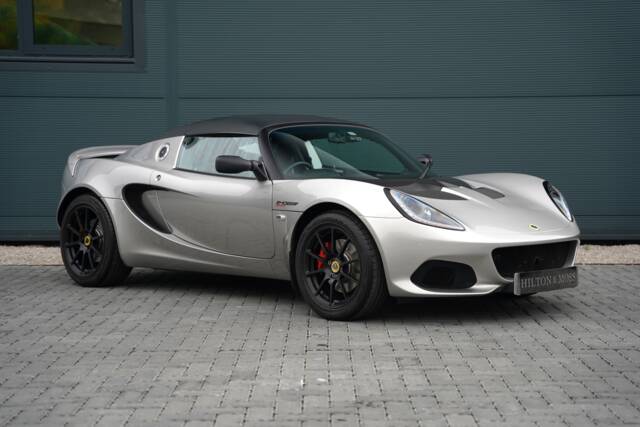
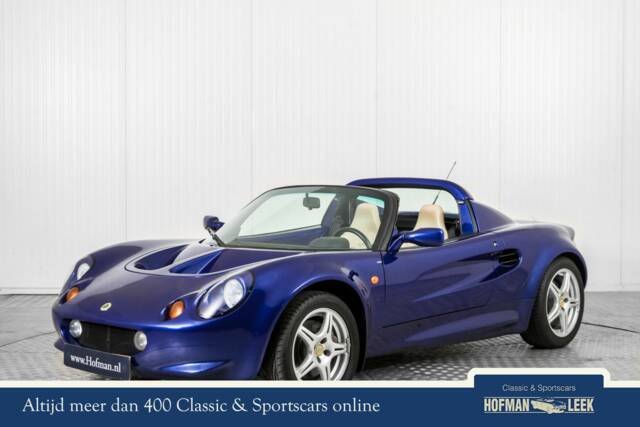
1998 | Lotus Elise 111
Lotus Elise 1.8-16V 120 LHD
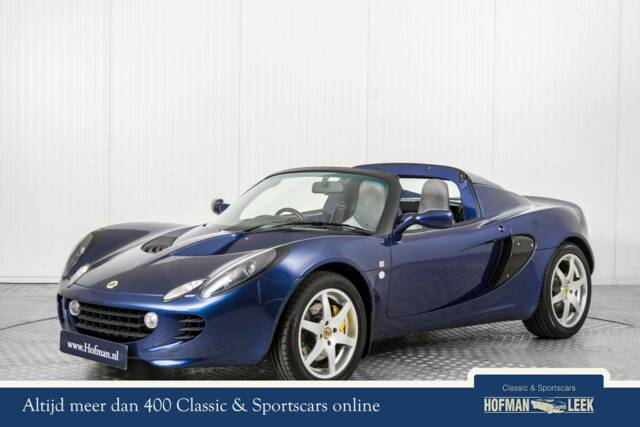
2002 | Lotus Elise
Lotus Elise S2 1.8-16V
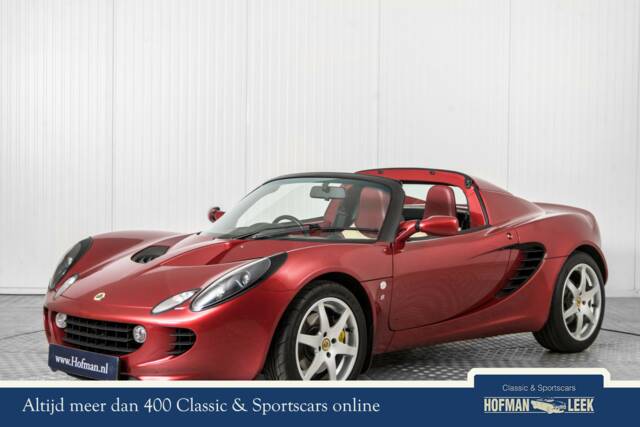
2003 | Lotus Elise
Lotus Elise S2 RHD 1.8-16V 67500km!
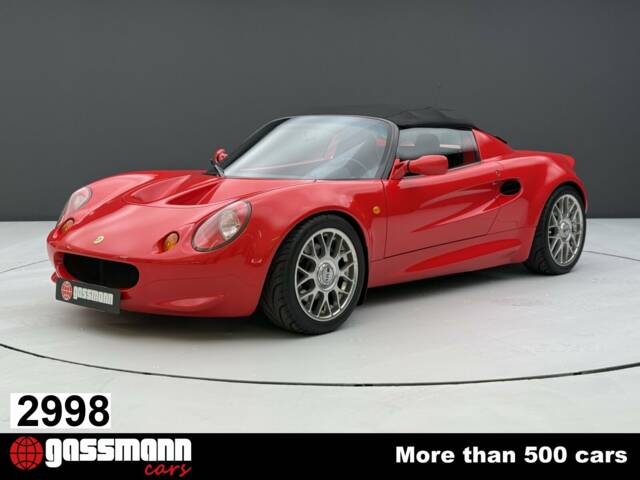
1998 | Lotus Elise Sport 135
Elise Roadster Typ 111


1998 | Lotus Elise 111
Lotus Elise 1.8-16V 120 hardtop+softtop 43000 miles!
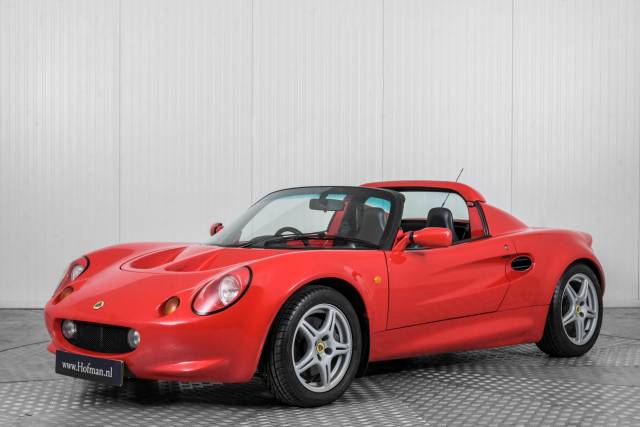
1997 | Lotus Elise 111
Lotus Elise 1.8-16V VVC 145 pk .
Lotus Elise listing references from Classic Trader
Below you will find listings related to your search that are no longer available on Classic Trader. Use this information to gain insight into availability, value trends, and current pricing for a "Lotus Elise" to make a more informed purchasing decision.
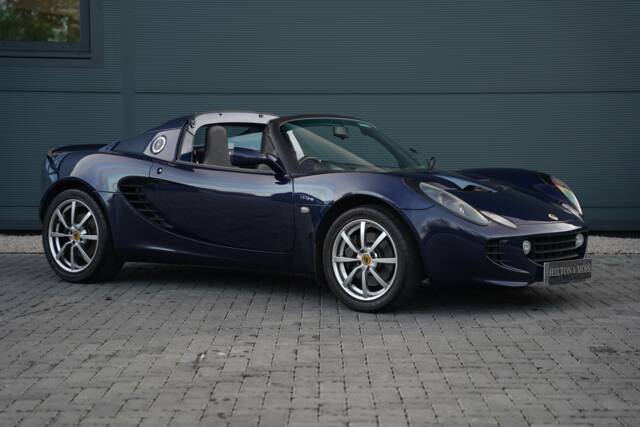
2007 | Lotus Elise R
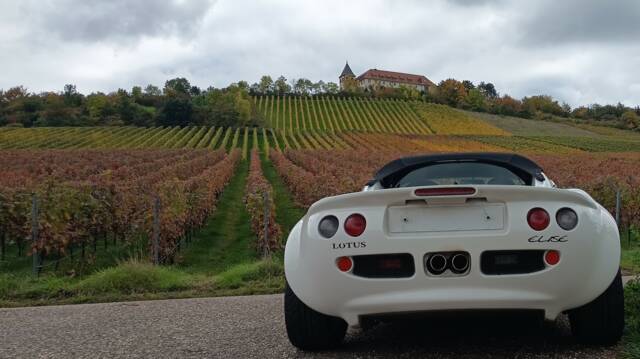
2001 | Lotus Elise
LOTUS ELISE S1 seltenes weiss Tuning
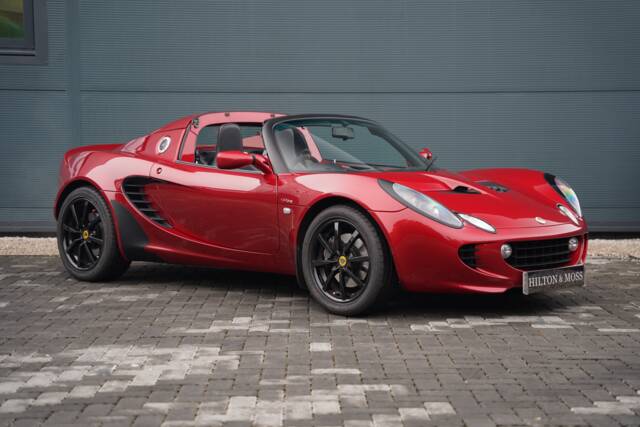
2006 | Lotus Elise 111R
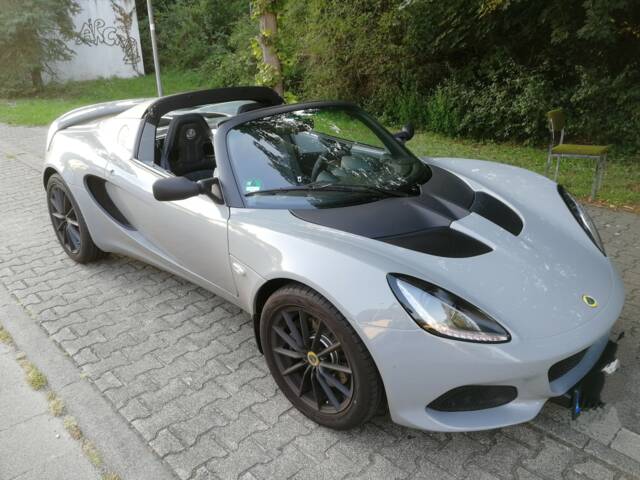
2019 | Lotus Elise Sport 220
Die Jahresinspektion wurde gerade bei Lotus-Haese in Mainz durchgeführt.
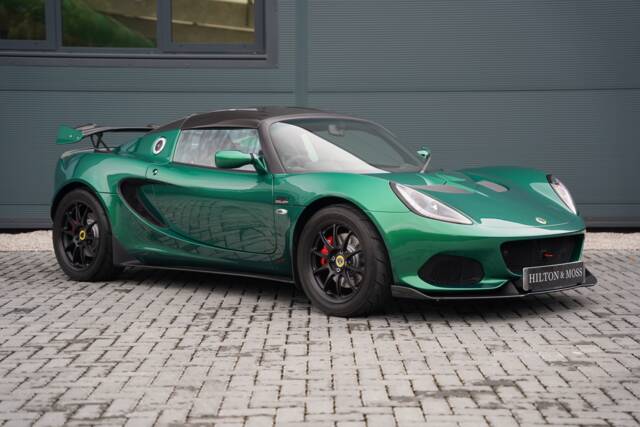
2018 | Lotus Elise Cup 250
History of the Lotus Elise
The Lotus Elise appeared on the automotive stage in September 1996, born from an ethos that favoured simplicity and lightness. Conceived at a time when Lotus sought revitalisation under Romano Artioli’s stewardship, the Elise placed functional engineering before unnecessary luxury. Its aluminium chassis, glued and riveted rather than welded, weighed just 68 kg and set a new benchmark for lightweight roadsters. The Elise was named after Elisa Artioli, a mark of its personal significance to the company’s leadership. Early road and track reviews hailed the Elise for its mechanical clarity and the tactile purity it offered its driver.
Model History
The Elise journey began with the Series 1 (S1) from 1996, fitted with the Rover K-Series 1.8-litre engine and celebrated for its sub-800 kg kerb weight and sharp, intuitive dynamics. Due to its immediate success, production numbers far exceeded initial forecasts. The S1 made way for the S2 in 2001, introducing more robust safety and comfort features alongside new powertrains, including Toyota’s 1.8-litre VVT-i engines in later variants. The Series 3 (S3) continued development from 2010, further optimising performance with supercharged variants and more advanced electronics while maintaining the Elise’s original DNA. Derivatives like the Exige, Europa S, and even the Tesla Roadster trace their engineering roots to the Elise platform.
Highlights and Unique Features
Every Lotus Elise is anchored by Colin Chapman’s 'Light is Right' philosophy. Its bonded aluminium monocoque, weighing around 68 kg, ensures high torsional rigidity with minimal weight. The mid-engine, rear-drive layout provides exceptional balance and handling precision. Most models forego unnecessary comfort features, resulting in an undiluted sports-car experience—the power steering, air conditioning, and airbags often appear only in later or special market versions. Minimalist, focused, with a direct steering feel and unassisted brakes, the Elise delivers a unique, reactive drive that’s linked closely to both road and track heritage.
Technical Data
Special Editions and Collectible Models
The Elise has spawned numerous celebrated special editions:
- 40th Anniversary Limited Edition: Only 35 units, distinctive orange paint, enhanced interior features unique to this run.
- Heritage Edition: Limited to 100 cars worldwide, finished in Essex Blue, special badging, Alcantara trim, and unique equipment.
- Sportsracer Edition: Features unique wheels and red/white livery, derived from the Sport and Touring packs.
- Motorsport Variants: Low-volume Cup and track models, homologated for various championships, often with additional safety gear, roll cages, and lightweight specs.
- Club Racer: Lightweight components, racing-derived seats, and performance upgrades for track-day enthusiasts. Most specials combine collectability with tangible technical or aesthetic upgrades.
Weak Spots and Common Issues
While renowned for mechanical simplicity, the Elise demands regular attention to detail. Early S1 and S2 models may be susceptible to K-Series head gasket failures if not properly maintained. Fibreglass body panels can suffer from stress cracks or bonding failures from poor repairs or track abuse. Aluminium chassis, while extremely durable, should be inspected for collision or corrosion damage; improper repairs are difficult and costly. Water ingress around roof seals can lead to interior damp or electrical issues. Early models lack ABS and airbags, requiring confidence and skill from the driver. Lastly, spartan interiors mean trim wear is unavoidable with frequent use.
Engine and Performance, Transmission and Handling
The Elise’s performance underlines every engineering decision. Whether powered by the Rover K-Series or Toyota’s 2ZZ-GE (and variants), the mid-mounted set-up ensures near-perfect weight distribution and unfiltered feedback. The car’s lightness translates to immediate agility, high corner speeds, and crisp response to inputs. Gearchanges are short-throw and precise, further reinforcing the sense of driver connection. In later cars, supercharging introduces dramatic straight-line pace, but even base models remain lively due to the minimal kerb mass. - Lotus Elise S1: 1.8-litre K-Series, 118–145 bhp, 0–100 km/h from 5.8 s, c. 720–770 kg.
- Lotus Elise S2 111R: Toyota 2ZZ-GE 1.8-litre, 192 bhp, 0–100 km/h in roughly 5 s, with ABS and other safety upgrades.
- Elise Cup/Club Racer: Supercharged, c. 217–220 bhp, sharper chassis setup, designed for circuit use.
Interior, Comfort, Exterior and Design
The Elise’s pared-back interior is a showcase for exposed aluminium and functional controls. Sports seats, minimal padding, and a low seating position immerse the driver in the driving experience, forgoing luxuries to save weight. Exterior lines are dictated by aerodynamics and simplicity—short overhangs, wide stance, and unadorned surfacing, yet with unique touches like special edition colours (Burnt Orange, Essex Blue, Nightfall Blue) and model-specific decals. Options include hardtops or soft-tops for weather protection, while forged alloy wheels and carbon-fibre additions appear in upper-spec or collector editions. Alcantara and leather or even custom embroidery feature on interiors of limited models, while accessories range from performance exhausts to track-focused safety gear.
Other Noteworthy Features
Unlike most road cars, the Lotus Elise offers minimal storage space and little in the way of luxury equipment. Optional extras on higher trims may include air conditioning, upgraded audio, or central locking, but many examples were ordered to keep the car as light as possible. Track-ready versions may have harnesses, roll cages, and specialist seats. The Elise platform also underpins several performance icons (Opel Speedster, Tesla Roadster, Lotus Exige), highlighting its engineering flexibility.
Summary
The Lotus Elise is a study in how low weight and focused engineering transform the driving experience. Each variant refines the car’s ability to connect driver and road, achieving agility and thrills with a purity unmatched by mainstream rivals. With sustained high demand for S1 models and a host of collectible special editions, the Elise enjoys a unique standing among classic British sports cars—not only for enthusiasts valuing pure feedback but for anyone who appreciates technical ingenuity in car design.